We offer a wide range of services for that fresh look, or just maintenance or updates to keep your home functioning and safe. Regardless of the size of the job, we have a craftsman that can tackle it. We offer a wide range of services for that fresh look, or just maintenance or updates to keep your home functioning and safe. Regardless of the size of the job, we have a craftsman that can tackle it.
Fences / April 11, 2026
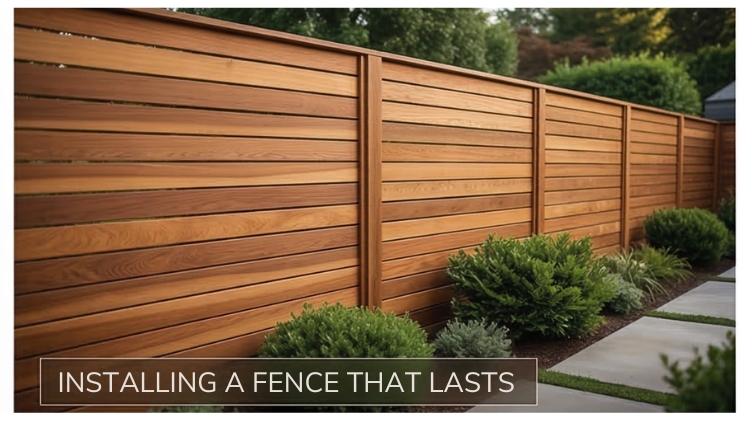
A poorly installed fence doesn’t just ruin the look of your yard—it can also drain your wallet over time. Weak posts can start rotting after just a few years, panels might warp or bow due to moisture and poor materials, and gates can sag or stop closing properly after a single harsh winter. These are common results when shortcuts are taken during installation or subpar materials are used. However, with a professional installation, you can have a durable, properly installed privacy fence that stands strong for years to come.
At Handyman Connection in Edmonton, we know every step of the process matters. From digging deep, solid post holes to using long-lasting materials and incorporating drainage solutions, every decision contributes to a fence that performs under tough conditions.
Our experts pay close attention to every detail, ensuring your investment in a privacy fence provides value and peace of mind. In this blog, we’ll take you step-by-step through how our team builds a fence to last—from the very foundation to the finishing touches. With our approach, you’ll understand exactly how we create a structure designed for longevity and strength, ready to withstand the test of time and weather.
The short answer: cedar and composite materials installed with steel or treated wood posts tend to last the longest. Cedar is naturally resistant to rot and insects, making it a top choice for Canadian climates. Composite materials go a step further—they won’t warp, crack, or rot at all.
That said, material choice is only part of the equation. Even the best cedar boards will fail prematurely if the posts aren’t set deep enough or if water isn’t draining properly around the base. Longevity comes from the combination of the right materials and the right installation technique.
Everything starts underground. If the posts aren’t set correctly, nothing above them will hold.
Here’s how professionals approach post installation:
Getting the foundation right is the single most important step in the entire process. A post that moves, rots, or shifts will eventually take the whole structure with it.
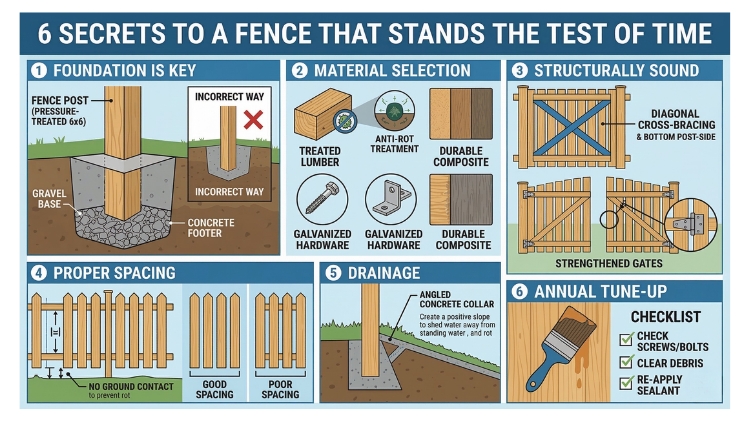
Once the posts are set, material selection determines how long everything above ground will last. Professionals don’t just grab whatever is available—they select materials based on how each one will perform against moisture, insects, and UV exposure.
Material quality has a direct impact on how much maintenance a fence will require—and how long it will stand before needing replacement.
Accurate layout and careful construction separate a professional installation from one that just looks right at first glance. Small errors in alignment or spacing compound over time and show up as bowing, leaning, or sagging panels.
Professionals use the following techniques to ensure a clean, structurally sound build:
Even the best materials need some protection to reach their full lifespan. Professionals don’t skip the finishing steps—they know these details are what separate a fence that lasts 10 years from one that lasts 25.
Key protective measures include:
Edmonton yards aren’t always flat, and uneven terrain requires additional planning. Our professionals choose between two installation methods depending on the site conditions.
Stepped installation keeps each panel level and horizontal while the posts step up or down to follow the grade. This gives the fence a clean, structured appearance. Racked installation allows the panels to follow the natural slope of the land, creating a flowing look that works well on gradual inclines. This method requires precise angling to maintain structural integrity without creating gaps at ground level.
Choosing the wrong method for a given slope can compromise both the appearance and the strength of the structure. Our professionals assesses the terrain before any digging begins. They determine if there are any dips or bumps that need to be addressed, and plan the fence placement accordingly.
Installing a fence in Edmonton comes with its own set of challenges. The freeze-thaw cycle is one of the biggest. Posts that aren’t set below the frost line will heave upward over winter and settle unevenly in spring—a process that gradually loosens concrete and destabilizes the entire structure.
Edmonton also experiences strong Chinook-adjacent winds and significant UV exposure during long summer days, both of which accelerate wear on wood and hardware. These conditions make deep post installation, rust-resistant hardware, and proper sealing especially important here.
Local building codes and permit requirements also apply to fence installations in Edmonton, and these rules vary depending on fence height and placement relative to property lines. Our professionals are familiar with these regulations and ensure every installation is compliant from the start.
In Edmonton, posts should be set a minimum of 3 to 4 feet deep to reach below the frost line. This prevents frost heave from pushing posts out of the ground during winter freeze-thaw cycles.
A well-built cedar fence with proper post installation, rust-resistant hardware, and regular sealing can last 20 to 30 years or more. Composite materials can last even longer with minimal maintenance.
Use pressure-treated lumber rated for ground contact, add gravel at the base of each post hole for drainage, slope the concrete away from the post to shed water, and apply a cap to the top of each post to block moisture from entering the end grain.
In many cases, yes. Permit requirements depend on fence height and location on the property. Professionals are familiar with local bylaws and can help ensure your installation meets all requirements.
Most wood fences benefit from a fresh coat of sealant or stain every 2 to 3 years, depending on exposure to sun and moisture. Regular maintenance extends the life of the fence significantly.
Yes. Professionals use either a stepped or racked approach depending on the severity and consistency of the slope. Both methods maintain structural integrity when done correctly.
Building a fence that will stand strong for years is no simple task, but it is worth every effort. A durable fence isn’t just about putting up posts and panels; it’s about taking the right steps, using high-quality materials, and ensuring every detail is done correctly. From digging proper postholes and pouring solid concrete to sealing wood and adapting to the land, each decision adds to the fence’s lifespan.
At Handyman Connection in Edmonton, we understand what it takes to get the job done right. Our skilled craftsmen are committed to delivering results that not only look great but last through tough weather and daily wear. Whether you need a new fence installed or your current one repaired, we’re here to help make it happen with professional care and precision.
When you work with us, you’re not just building a fence—you’re creating something reliable and long-lasting for your home or property. Don’t wait to get started on a project that adds beauty, security, and value. Request an estimate from our team today, and together, we’ll build a fence you can trust for years to come.

#102-4990 92 Ave NW
Edmonton, AB T6B 2V4

© Handyman Connection 2026 | Privacy Policy

 780-414-6152