We offer a wide range of services for that fresh look, or just maintenance or updates to keep your home functioning and safe. Regardless of the size of the job, we have a craftsman that can tackle it. We offer a wide range of services for that fresh look, or just maintenance or updates to keep your home functioning and safe. Regardless of the size of the job, we have a craftsman that can tackle it.
Home Improvement / April 26, 2026
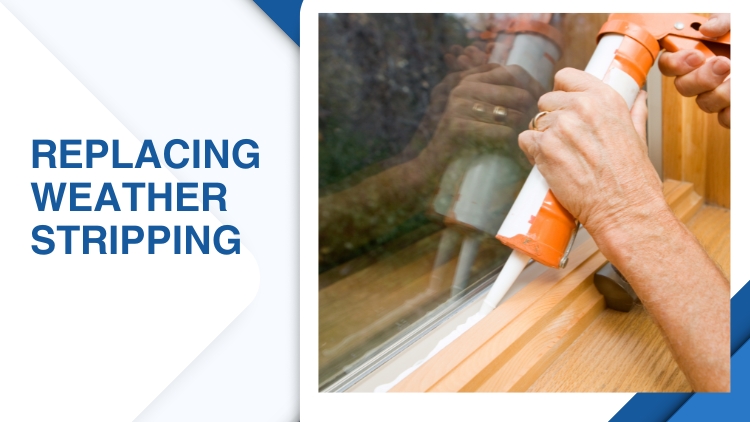
You might not think about your windows and doors every day—but the gaps around them could be costing you real money. Small air leaks add up fast. According to the U.S. Department of Energy, properly applied caulking and weatherstripping can usually be recovered in energy savings within just one year. That’s a quick return on a simple home improvement.
Replacing worn seals around your home is one of the most cost-effective ways to cut energy bills and improve comfort. The right materials, used in the right locations, can reduce your heating and cooling costs by anywhere from 5% to 30%. But getting it right means knowing which product goes where—and making sure the job is done properly the first time.
In this blog, we’ll walk you through how to replace weather stripping and caulking for better energy efficiency—step by step—and explain how the experts at Handyman Connection in Edmonton handle the process from start to finish.
Most weather stripping should be inspected every year and replaced every one to five years, depending on the material and how much wear it sees. Foam and felt strips tend to break down faster—sometimes within a year or two—while vinyl and metal V-strips can last considerably longer.
High-traffic areas, like frequently used exterior doors, wear out more quickly. Edmonton winters are tough on seals too. Freezing temperatures, ice, and temperature fluctuations can cause materials to crack, compress, or lose their shape over time. A good rule of thumb: if the seal no longer compresses fully when the door or window closes, it’s time for a replacement.
Before replacing anything, it helps to know what each material is designed to do. They serve very different purposes.
Using the wrong product in the wrong location is one of the most common mistakes homeowners make. That’s exactly why having our professionals assess and complete the work matters.
The first step in sealing your home is finding where air is getting in. Even small gaps can let cold air inside during the winter. These leaks often appear around window frames, door frames, baseboards, and attic hatches. Finding them early helps prevent heat loss and higher energy bills.
A simple test can reveal many of these leaks. On a cold or windy day, hold a thin piece of tissue or a lit incense stick near these areas. If the tissue moves or the smoke drifts, air is passing through a gap. This quick check can help you spot places that need sealing.
Our professional inspection goes even further. Our craftsmen at Handyman Connection carefully check the full perimeter of doors and windows. They look for areas where caulking, weather stripping, or both may be needed. Taking time at this stage helps ensure no leaks are missed before repairs begin.
Selecting the correct material for each location is critical. Here’s what a professional will consider:
For caulking:
For weather stripping:
Matching the right product to the right location makes a significant difference in how long the seal lasts. Our team selects products suited to Edmonton’s climate, where extreme temperature swings can quickly break down inferior materials.
Before any new seal is applied, the surface must be prepared properly. This step is very important for a strong and lasting seal. If the surface is dirty or uneven, the new caulk may not stick well. Proper preparation helps the seal bond tightly and perform the way it should.
Many sealing problems happen because this step is rushed or skipped. Old materials, dust, and moisture can prevent new caulk from sticking. Taking the time to prepare the area helps avoid early failure. A clean and smooth surface gives the new seal the best chance to last for years.
This step involves:
Skipping this step leads to poor adhesion and premature failure—meaning the job has to be done all over again sooner than it should. Our craftsmen take the time to prep every surface properly so the finished result holds up season after season.
Once the surfaces are clean and ready, the new caulk can be applied. This step requires a steady hand and the right technique. Proper application helps create a tight seal that keeps air and moisture out. When done correctly, the finished line looks smooth and professional.
The caulk is applied using a caulking gun. The nozzle is cut at a slight angle to help control the flow of the material. A continuous bead is then placed along the joint to fill the gap evenly. Right after application, the bead is smoothed with a finger or small tool to create a clean finish.
Larger gaps may require an extra step before caulking. A foam backer rod is placed into the opening first to provide support. The caulk is then applied over the rod to seal the area properly. Temperature also matters, as caulk should be applied above 7°C to bond and cure correctly.
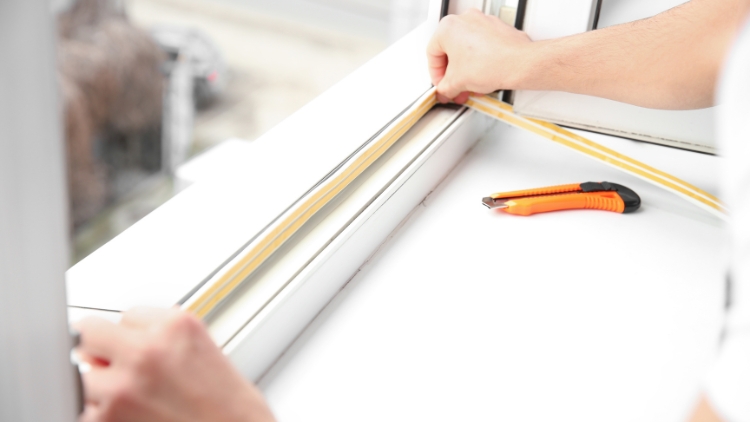
With caulking complete, weather stripping is measured, cut, and installed on all movable components—doors, windows, and any operable sashes.
The process includes:
Getting the compression right is key. A strip that’s too thick can prevent a door from closing properly. Too thin, and it won’t seal. Our craftsmen ensure the fit is precise every time.
Edmonton’s climate can be tough on the seals around your home. Winters are very cold, and temperatures often drop below -20°C. When this happens, building materials freeze and then expand as they warm up again. Over time, this constant freezing and thawing can cause foam, rubber, and caulk to crack or wear out.
Summer weather can also affect sealing materials. Hot, dry days can make some materials shrink and pull away from surfaces. Changes in humidity may also weaken how well caulk sticks to walls, windows, and doors. These shifts can create small gaps where air and moisture can enter your home.
Regular inspections help catch these problems early. Many homeowners check their seals in the fall before winter begins and again in the spring after the freeze-thaw season ends. Our team understands Edmonton’s building styles and climate conditions. That knowledge helps us choose the right products and installation methods for long-lasting results.
Yes. Properly sealing air leaks can reduce heating and cooling costs by 5% to 30%, depending on the condition of your existing seals and the size of your home.
Look for visible cracks, gaps, or areas where the caulk has pulled away from the surface. If the seal looks brittle or crumbly, it’s time for a replacement.
No. Weather stripping typically seals the sides and top of a door frame. A door sweep seals the gap at the bottom of the door. Both are often needed for a complete seal.
Exterior caulk needs to be flexible and weather-resistant. Using interior caulk outside can cause it to crack, peel, or fail quickly, leaving gaps that let air and moisture in.
With proper preparation and quality materials, professionally applied caulk can last five to ten years or longer. Regular inspections help catch any areas that need attention before they become bigger problems.
Yes. A tight seal around doors and windows also reduces sound transmission, which can make a noticeable difference in homes near busy roads or in urban areas.
Sealing up your home’s cracks and gaps might seem like a small fix, but it can make a big difference. Those tiny openings can lead to increased energy loss, cold drafts, and rising utility costs—especially in Edmonton’s harsh winter months. By replacing old caulking and worn weather stripping, you ensure your home stays cozy and energy-efficient. These simple upgrades can save you money and make your space more comfortable for the entire season.
At Handyman Connection in Edmonton, we understand how important it is to have a warm, energy-efficient home during winter. That’s why our skilled team of craftsmen is ready to help. We’ll take care of everything—from finding the problem areas in your home to choosing quality materials and performing a precise installation. No job is too big or small, and we make sure the work we do has long-lasting results.
Don’t wait for the winter chill to creep in. Taking action now can help reduce your energy bills, protect your home, and keep your family warm. Request an estimate today with Handyman Connection in Edmonton, and see how we can help you seal in the savings. It’s a small step that makes a big difference!

#102-4990 92 Ave NW
Edmonton, AB T6B 2V4

© Handyman Connection 2026 | Privacy Policy

 780-414-6152