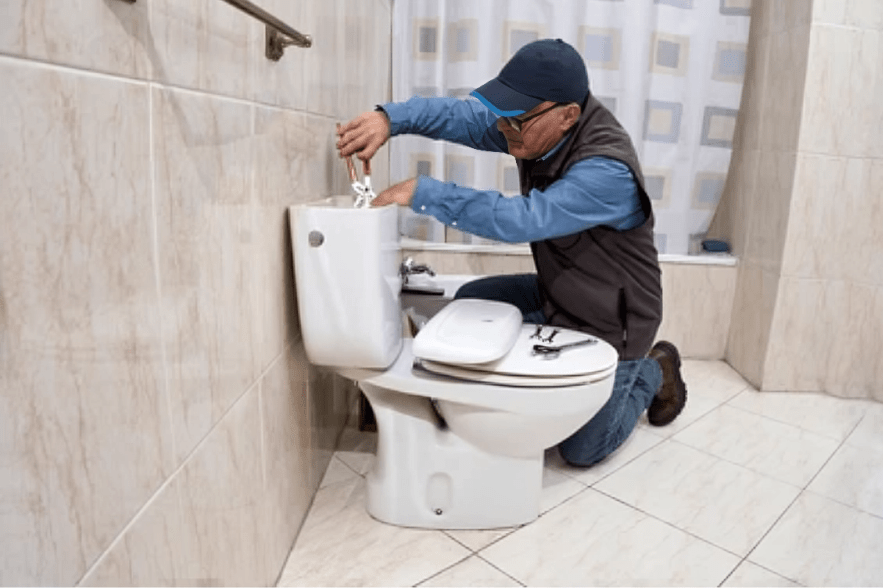
From Simple Flapper Fixes to Wax Ring Replacements – How to Diagnose and Repair Toilet Leaks the Right Way
A leaky toilet might seem like a small issue, but it can waste hundreds of gallons of water each month and quietly increase your utility bill. Left unchecked, it can also cause floor damage, mold growth, and subfloor rot. The good news? Most toilet leaks are inexpensive and straightforward to fix once you identify the source.
Here’s a practical guide to diagnosing and repairing the most common toilet leaks.
Step 1: Identify Where the Leak Is Coming From
Toilets typically leak from one of four areas:
- The tank (internal components or cracks)
- The base (wax ring failure)
- The supply line
- The shut-off valve
Dry the area completely and place paper towels around the base and behind the toilet. Check back after flushing to pinpoint the source.
Fix #1: Replace a Faulty Flapper (Most Common Issue)
If your toilet runs constantly or you hear water refilling randomly, the flapper is likely worn out.
Signs:
- Water keeps running after flushing
- Tank refills periodically without being used
Solution:
- Turn off the water supply.
- Drain the tank by flushing.
- Remove the old flapper from the overflow tube.
- Install a new flapper that matches your toilet model.
This is an inexpensive fix that usually costs under $20 and takes about 15 minutes.
Fix #2: Tighten or Replace Tank Bolts and Gasket
If water is leaking between the tank and bowl, the bolts or gasket may be worn.
Signs:
- Water pooling directly under the tank
- Visible drips from tank bolts
Solution:
- Shut off the water and drain the tank.
- Remove the tank from the bowl.
- Replace the rubber gasket and tank bolts.
- Reassemble and tighten evenly (avoid overtightening).
Even tightening is key to preventing cracks in the porcelain.
Fix #3: Replace the Wax Ring at the Base
Water pooling around the base of the toilet usually means the wax ring seal has failed.
Signs:
- Water at the floor after flushing
- Musty smell
- Slight toilet wobble
Solution:
- Turn off water and disconnect the supply line.
- Remove the toilet from the floor bolts.
- Scrape away the old wax ring.
- Install a new wax ring and reset the toilet evenly.
If subfloor damage is present, repairs may be needed before reinstalling.
Fix #4: Repair or Replace the Supply Line
A small drip behind the toilet often comes from the water supply line.
Signs:
- Water behind the toilet
- Visible corrosion on fittings
Solution:
- Tighten the connections first.
- If leaking continues, replace the flexible supply line.
This is another quick, affordable repair.
Fix #5: Address Cracks in the Tank or Bowl
Hairline cracks can cause slow leaks.
Signs:
- Unexplained moisture on exterior porcelain
- Water level dropping without flushing
Minor cracks may be temporarily sealed with waterproof epoxy, but most cracked tanks or bowls require full replacement.
Prevent Future Leaks
To keep your toilet in good shape:
- Avoid using in-tank chemical tablets (they degrade rubber components)
- Check for movement or wobbling
- Inspect supply lines annually
- Replace internal parts every 5–7 years as preventative maintenance
When to Call a Professional
You should consider professional help if:
- The subfloor feels soft or damaged
- You’re unsure how to reset a toilet properly
- The leak persists after replacing common components
- There is visible mold or structural damage
A leaking toilet is usually a manageable repair, but ignoring it can lead to expensive water damage. Identifying the source quickly and applying the right fix will save money, prevent structural issues, and restore peace of mind.

 800-88-HANDY (42639)