We offer a wide range of services for that fresh look, or just maintenance or updates to keep your home functioning and safe. Regardless of the size of the job, we have a craftsman that can tackle it. We offer a wide range of services for that fresh look, or just maintenance or updates to keep your home functioning and safe. Regardless of the size of the job, we have a craftsman that can tackle it.
Plumbing / April 20, 2025

Water pressure plays a crucial role in your home’s plumbing, ensuring everything from your morning shower to washing dishes goes smoothly. However, finding the perfect balance can sometimes be tricky. Too much pressure can lead to damage, while too little can leave you struggling with weak water flow.
For homeowners in Etobicoke, Toronto, experiencing extreme water pressure can be frustrating. Recognizing the signs of high water pressure in homes or figuring out how to fix low water pressure issues is essential. A trusted residential plumber in Etobicoke, such as Handyman Connection, can offer timely and professional solutions that save you from unnecessary stress.
Ideal water pressure ensures your pipes, fixtures, and appliances function properly without added strain. Measured in pounds per square inch (PSI), the recommended range for residential water pressure is between 40 and 60 PSI.
If your home’s water pressure exceeds 80 PSI, it can lead to plumbing damage. Alternatively, anything below 40 PSI is considered too low and makes everyday tasks more challenging. Unsure where your water pressure stands? It’s always best to rely on a professional plumber to assess your system and adjust it, if necessary.
High water pressure might seem like a minor inconvenience at first, but it can have major long-term consequences for your home’s plumbing system. Here are some common warning signs to watch for:
If you’re noticing these signs, it’s time to take action before the problem worsens.
On the other end of the spectrum, low water pressure can disrupt your day-to-day life and signal underlying plumbing issues. Common indicators include the following:
Recognizing these patterns early can help you address low pressure before it becomes a bigger hassle.
Water pressure problems often arise from specific issues that cause either too much force or reduced flow. Understanding these causes can help address the problem effectively.
Sometimes, your municipal water supply delivers water to your home with more pressure than needed, which can strain your plumbing system.
Another common cause is a faulty or missing pressure regulator. This device is designed to control water pressure, but if it malfunctions or isn’t installed, pressure levels can become uncontrollable.
Additionally, water heaters can contribute to high pressure. During the heating process, thermal expansion can increase water pressure if it isn’t properly managed.
Low water pressure is often caused by clogged pipes. Over time, mineral deposits from hard water can build up and restrict the flow of water.
Plumbing leaks are another issue; even small cracks or drips in your system can significantly reduce pressure.
Lastly, problems with the main water supply, such as issues with the city’s system or a clogged main line to your home, can lead to reduced water flow.
Understanding the root cause is essential to finding the right solution.
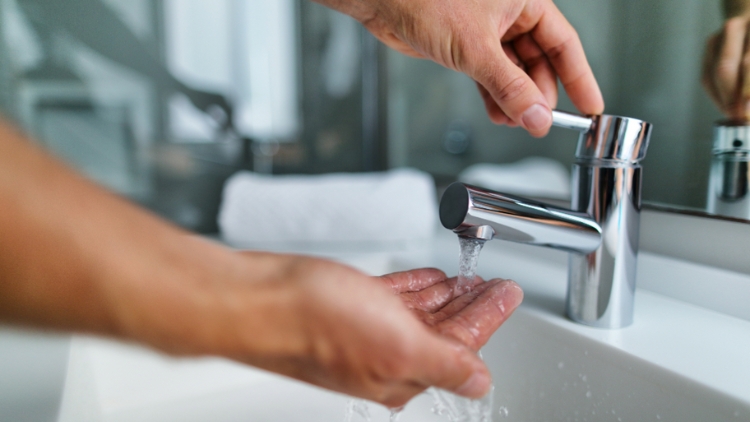
Both high and low water pressure can disrupt your home’s plumbing, but professional plumbers have effective solutions to ensure long-lasting results.
High water pressure can strain your plumbing system, but several fixes are available. Installing or adjusting a pressure regulator can help maintain safe pressure levels. If your existing regulator is malfunctioning, a professional can calibrate or replace it.
Adding a thermal expansion tank is another option; this device absorbs excess pressure caused by your water heater, preventing damage to your pipes. Additionally, a plumber can check the municipal water pressure coming into your home and suggest further solutions if necessary.
Low water pressure can be equally frustrating, but solutions are straightforward. Hidden leaks are often the culprit, and fixing them can restore flow while preventing water loss.
Sediment buildup in fixtures like faucets and showerheads may also block water flow; cleaning these can make a noticeable difference. In some cases, outdated or corroded pipes might need replacement to improve efficiency.
If your home’s water supply consistently lacks sufficient pressure, installing a water booster pump can stabilize and enhance flow.
To implement these solutions safely and effectively, working with a residential plumber in Etobicoke is essential.
Water pressure that’s too high or too low can lead to frustrating and costly plumbing issues. Ignoring the signs puts your home at risk of leaks, water waste, or damaged appliances. With the help of Handyman Connection, these problems can be expertly addressed, ensuring your home’s plumbing is back to peak performance.
Whether you’re dealing with the signs of high water pressure in homes or looking for help how to fix low water pressure issues, our skilled team in Etobicoke has you covered. Contact Handyman Connection today for expert plumbing solutions tailored to your needs. Together, we’ll keep your water pressure steady, reliable, and stress-free!
168 A Oakdale Road, Unit 11
Toronto, ON M3N 2S5

© Handyman Connection 2026 | Privacy Policy

 416-240-8757