Uncategorized / March 4, 2026
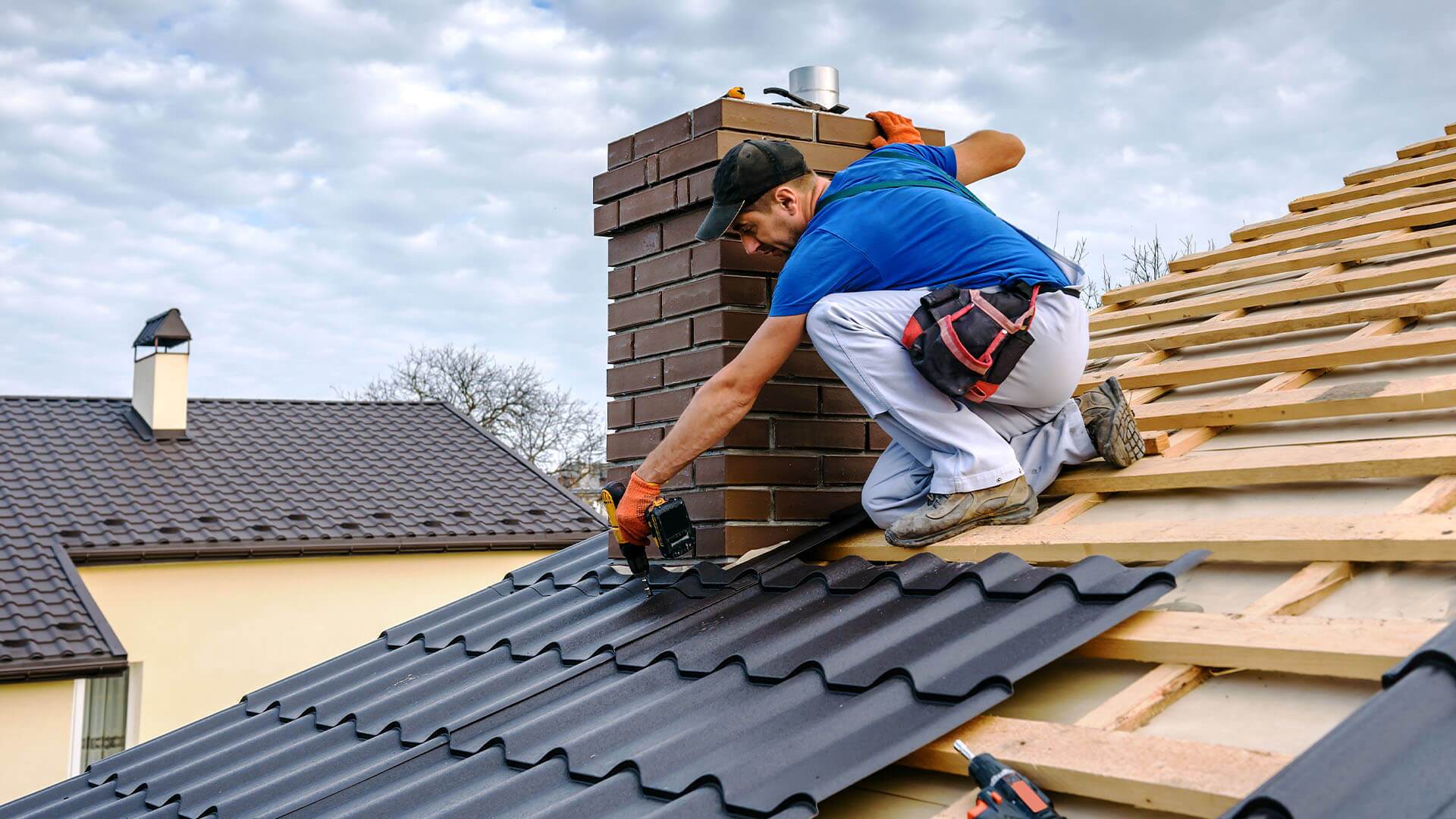
A roof leak can quickly turn from a small drip into serious structural damage. Whether the cause is aging shingles, storm impact, or failing flashing, acting fast can prevent costly repairs. Here’s a practical guide to handling repairs after discovering a roof leak — and knowing when to bring in a professional.
If water is actively dripping:
The priority is minimizing interior damage while you assess the situation.
The visible drip isn’t always directly below the roof issue. Water can travel along rafters before showing up inside your home.
Common sources include:
If safe, check the attic first. Look for damp insulation, water stains, mold growth, or light coming through the roof deck.
Lingering moisture can lead to mold and wood rot.
Thorough drying reduces the risk of long-term structural issues.
Minor exterior repairs may involve:
If damage is extensive or the roof is aging, a more significant repair or replacement may be necessary. A professional inspection can help determine the right solution.
After the roof is fully sealed and dry:
Interior repairs should only begin once you’re confident the leak has been completely resolved.
If the leak resulted from storm damage or another covered event:
Proper documentation can help streamline the claims process.
Consider professional help if:
Roof leaks may start small, but they often signal bigger issues. Addressing them correctly the first time protects your home and prevents repeat damage.
Acting quickly, drying thoroughly, and fixing the root cause — not just the symptoms — will help ensure your home stays protected long-term.

 800-88-HANDY (42639)