We offer a wide range of services for that fresh look, or just maintenance or updates to keep your home functioning and safe. Regardless of the size of the job, we have a craftsman that can tackle it. We offer a wide range of services for that fresh look, or just maintenance or updates to keep your home functioning and safe. Regardless of the size of the job, we have a craftsman that can tackle it.
Decks / April 13, 2026
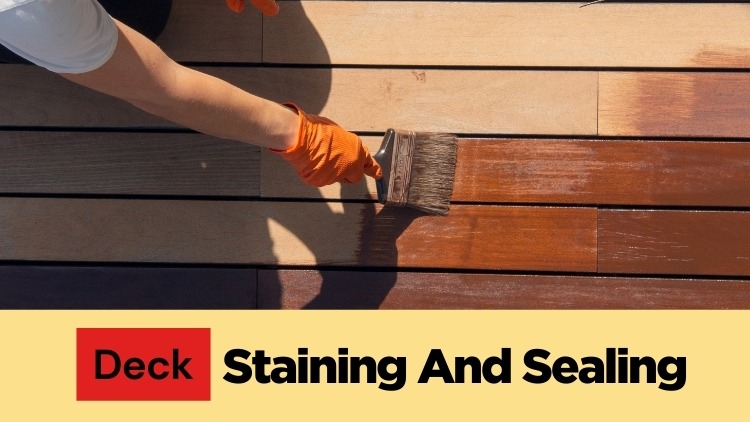
Your outdoor wood is under attack every single day. Rain soaks in. The sun breaks down fibres. Mould creeps into the grain. Without the right protection, even a well-built deck will warp, crack, and rot far sooner than it should.
So what actually stops that from happening? The answer comes down to two things: deck staining and sealing. Together, they form a barrier between your wood and everything the weather throws at it. A sealant blocks moisture from getting in, while a stain adds pigment that shields wood from UV rays. Used together, they protect against the biggest causes of outdoor wood damage—and extend the life of your structure by years.
You will find everything you need to know right here. In this blog, we are breaking down exactly what deck staining and sealing protect your wood from, and how the team at Handyman Connection in Vancouver gets it done right.
Yes, a poorly installed doggie door can affect your home’s energy efficiency. Gaps around the frame or a flap that does not seal properly can let cold air in and warm air out, raising your heating costs. The good news is that our professional installation with proper insulation and a tight-fitting flap minimizes any energy impact. If you are thinking about adding one, having it done correctly from the start makes all the difference.
Another factor to consider is the materials used for the doggie door. Some doggie doors are made with weather-resistant materials that can help keep drafts out. Look for doors with multiple flaps or magnetic seals, as these can add an extra layer of protection against temperature changes. Choosing a high-quality product designed for energy efficiency can save you money in the long run.
Placement of the doggie door is also important. Installing it in a sheltered area, like a covered patio or a wall that does not face strong winds, can reduce energy loss. Avoid putting the door in a spot where it will be exposed to extreme weather. Proper placement, combined with a well-insulated door, helps maintain the temperature inside your home.
Routine maintenance ensures your doggie door stays energy-efficient over time. Check regularly for gaps, damaged flaps, or worn-out seals. Replace parts as needed to keep the door working properly. By maintaining the doggie door, you can enjoy convenience for your pet while keeping your heating and cooling costs under control.
Water is the number one enemy of outdoor wood. When rain or snow soaks into the fibres, it causes the wood to expand and contract with every weather change. Over time, that repeated movement leads to warping, cracking, and eventually rot.
High-quality sealants and stains are formulated with waterproofing agents that make water bead on the surface rather than absorb into it. This simple effect—water rolling off instead of soaking in—is what prevents the moisture-related damage that shortens the life of so many outdoor wood structures.
Here is what our professional waterproofing protection does for your wood:
Without this layer of protection, even pressure-treated wood will eventually succumb to moisture damage. Our professionals at Handyman Connection ensure the right products are applied correctly so your wood gets the full benefit of this moisture barrier.
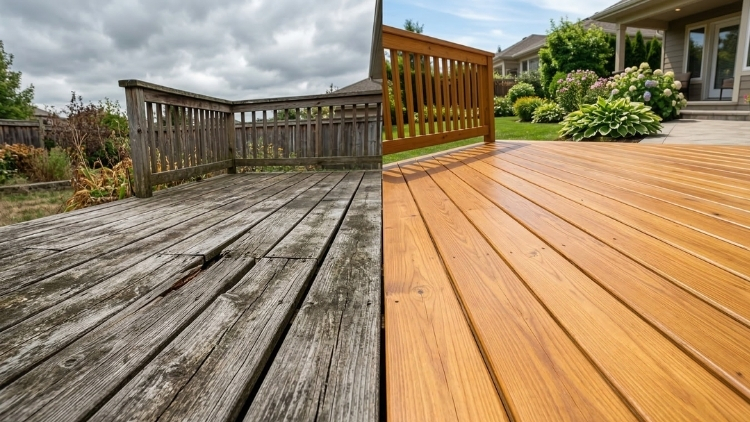
Sun damage is easy to overlook because it happens slowly. You might notice your wood turning grey or looking faded, but underneath that discolouration, the UV rays are actually breaking down the wood fibres themselves—making them brittle, weak, and prone to splintering.
This is where pigment plays a critical role. The more pigment in a product, the more UV protection it provides. Clear sealers offer little to no UV defence. Semi-transparent stains contain enough pigment to slow sun damage while still showing the wood grain. Solid stains provide the strongest UV barrier of all, covering the grain entirely and acting like a layer of sunscreen for the wood.
The right level of UV protection depends on your specific situation. Clear sealers only protect wood from moisture but don’t block the sun’s UV rays. Semi-transparent stains are a good choice if you want some UV protection while still keeping the natural look of the wood. Solid stains give the best protection from both UV rays and moisture, making them perfect for older or very weathered wood.
For Vancouver homeowners dealing with summer heat and intense seasonal sun, UV protection is not optional—it is essential. Our team at Handyman Connection selects the right product type based on your wood’s condition and your local exposure.
Not all protective products work the same way. Some sit on the surface, while others penetrate deep into the wood fibres. The difference matters more than most people realise.
Oil-based stains, for example, absorb into the wood and bond with the fibres from the inside out. This deep penetration makes them highly effective at repelling moisture and resisting wear over time. Water-based acrylic products dry faster and are better suited to humid climates, offering excellent UV resistance and easier cleanup.
Key points about penetration and product type:
Proper application is just as important as the product itself. Applying a protective finish to damp wood, or in the wrong temperature range, can cause blistering and peeling that undoes the protection entirely. That is why having our professionals handle the job ensures you get the results that actually last.
Vancouver’s climate is well-known for its beauty, but its wet conditions can be tough on outdoor wood. When wood is exposed to moisture, especially in shaded spots or areas where water collects, it creates the perfect environment for mould and mildew to grow. These issues aren’t just cosmetic—mould can lead to bigger problems if left untreated. It weakens wood by breaking down its fibres, makes surfaces look unsightly, and can even create health risks.
One of the best ways to protect outdoor wood is by using high-quality staining and sealing products. These products often contain mildewcides, which are special additives that prevent mould, mildew, and microbes from growing. By stopping these harmful organisms, mildewcides help extend the life of the wood while keeping it strong and safe. This extra layer of protection makes a big difference in damp climates like Vancouver’s.
Without proper protection, wood in wet conditions can suffer from several problems. Black and green mould can grow on shaded or constantly damp areas, while mildew stains can make the surface look discolored and unattractive. Over time, microbial growth can even weaken the wood from the inside out, setting the stage for decay. Moisture encourages this ongoing growth, making it essential to address the issue early.
Choosing the right products is key to ensuring long-lasting results. Low-cost or budget options often skip important features like mildewcides, leaving your wood vulnerable. At Handyman Connection, we understand the unique challenges of Vancouver’s wet climate. That’s why we use high-quality products with built-in mildewcide protection to safeguard your outdoor wood for years to come.
Choosing the right product comes down to three main factors: how much protection you need, how you want the wood to look, and where the surface gets the most use.
Getting this decision right makes a real difference in how long the protection lasts and how good the finished result looks. Our team assesses the condition of your wood and the demands of your specific environment before recommending the right product and finish.
Even the best product will underperform if it is not applied correctly. There are a few non-negotiable conditions that determine whether a job holds up or fails within a season.
These conditions require planning, the right tools, and experience reading how a product is behaving as it goes on. It is the kind of detail that separates a job that looks great for years from one that starts to fail after the first wet season.
Most outdoor wood surfaces benefit from re-treatment every one to three years, depending on sun and weather exposure, the quality of products used, and how much foot traffic the surface sees. A simple water bead test can tell you when it is time—if water soaks in rather than beads up, the surface needs reapplication.
You can apply a new stain over an existing one if the products are compatible—for example, water-based over water-based. If you are switching product types, or if the old finish is peeling, the surface will need to be stripped and prepared before anything new goes on.
Rain within the first 24 hours of application can cause spotting, uneven colour, or loss of adhesion. It is critical to check the weather forecast before starting any job and to allow the full recommended drying time before the surface gets wet.
Pressure-treated wood is chemically treated to resist rot and insect damage, but it is not waterproof. Over time, it will still absorb moisture, warp, and crack without proper sealing. Pressure-treated wood benefits significantly from a quality sealant.
Signs of water damage include soft or spongy boards, dark discolouration, visible mould or mildew, and wood that splinters easily. Boards that feel spongy underfoot may have internal rot and should be replaced before any protective treatment is applied.
Composite materials have different needs than natural wood and require products specifically formulated for composite surfaces. Applying products designed for natural wood to composite material may not adhere properly and could void any manufacturer warranty on the surface.
Protecting outdoor wood from the weather doesn’t have to be complicated. However, it does require a few important steps. You need the right products, the right preparation, and the right conditions. If even one of these is missing, the protection won’t last, leaving your wood vulnerable to damage. That’s why it’s important to take the time to do it right.
At Handyman Connection in Vancouver, we take the worry out of the process. Our team handles everything from start to finish. First, we carefully assess the condition of your wood. Then, we help you choose high-quality products that will give your wood the best protection possible. Finally, we apply the protection correctly, ensuring it will stand up to the elements. We don’t take shortcuts, and we don’t guess. You can count on clean, professional work that lasts.
If you’re ready to protect and maintain your outdoor wood, we’re here to help. Give your wood the care it deserves. Request an estimate from Handyman Connection in Vancouver today, and we’ll make sure your wood is ready to handle the weather, rain or shine. Your outdoor spaces will look great and stay protected for years to come.

#106 - 8557 Government Street
Burnaby, BC V3N 4S9

© Handyman Connection 2026 | Privacy Policy

 604-878-5232