We offer a wide range of services for that fresh look, or just maintenance or updates to keep your home functioning and safe. Regardless of the size of the job, we have a craftsman that can tackle it. We offer a wide range of services for that fresh look, or just maintenance or updates to keep your home functioning and safe. Regardless of the size of the job, we have a craftsman that can tackle it.
Drywall / June 10, 2025

If you’ve been noticing suspicious spots or changes on your walls or ceilings, it could be a sign of drywall damage caused by water leaks. While this is more common than we’d like to think, water leaks can sneak up on homeowners, causing costly repairs if not addressed early. Recognizing the signs of water damage in your drywall is critical for maintaining the integrity of your home and avoiding further issues like mould or structural concerns. From peeling paint to soft spots in your walls, there are telltale indicators that can help you identify drywall water damage.
At Handyman Connection, we’ve seen it all. Serving the Vancouver community, we know how important it is to catch these issues early and resolve them efficiently. Below, we’ll guide you through the primary signs of water leaks and drywall damage, how to identify drywall water damage, and what you should do to protect your home.
When a water leak seeps into your drywall, the damage can evolve, often revealing itself in noticeable but sometimes subtle ways. Watch for these signs inside your home:
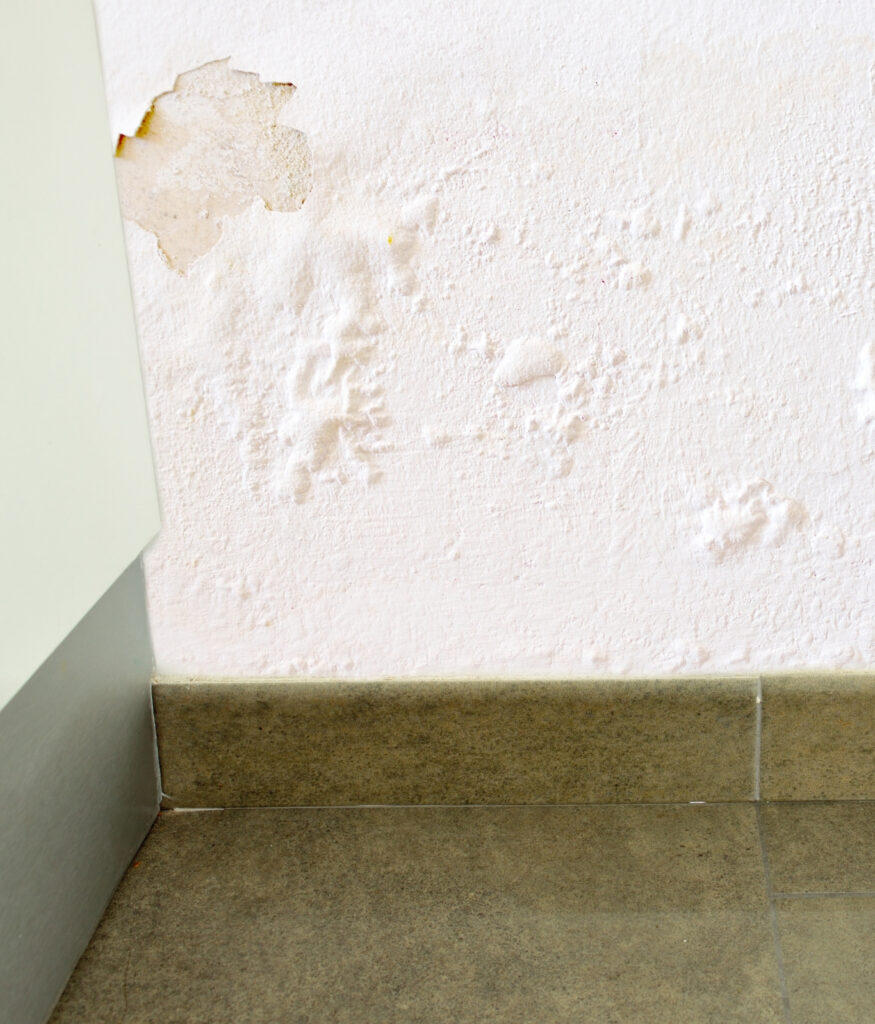
1. Bubbling or Peeling Paint
One of the most common giveaways of drywall water damage is bubbled, flaking, or peeling paint on your walls or ceiling. When water infiltrates the drywall, it disrupts the paint’s adherence, causing it to detach.
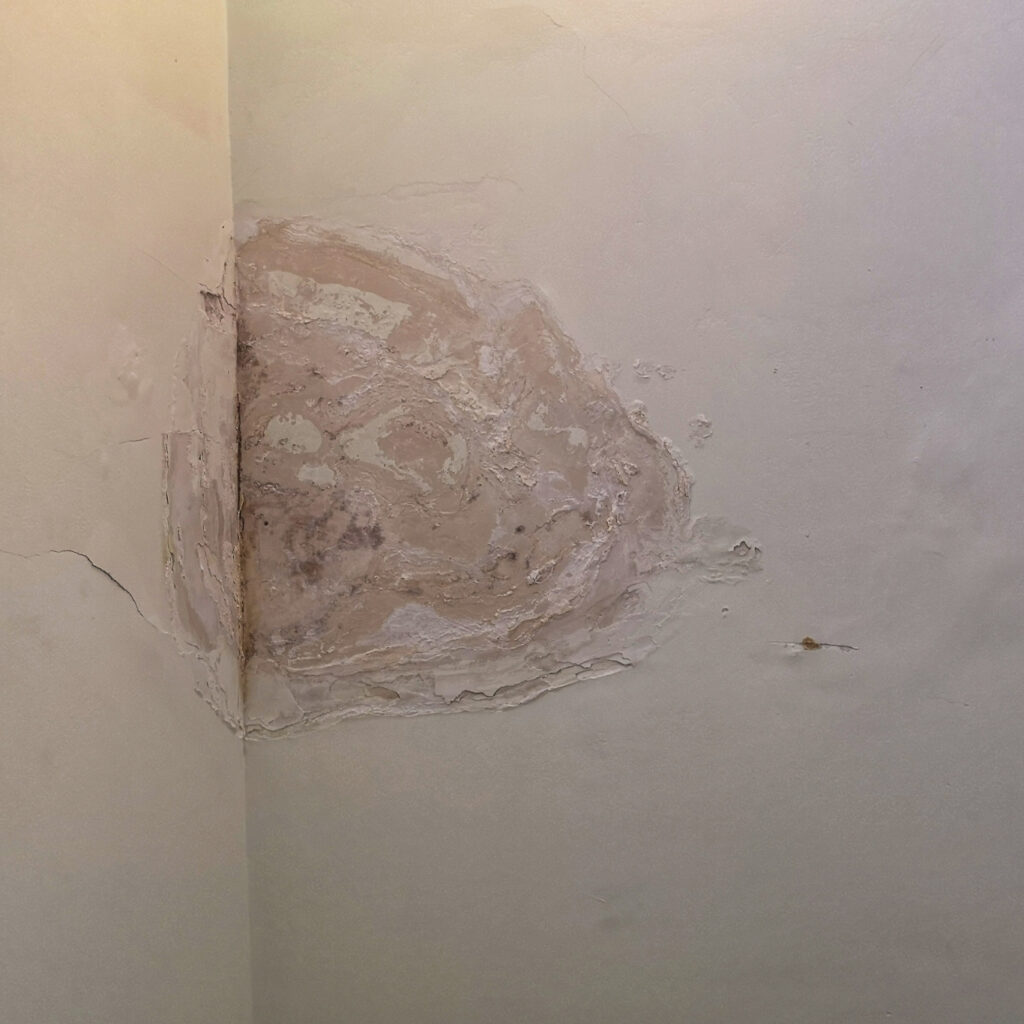
2. Stains and Discolouration
Water can leave noticeable stains on your drywall. These stains often have irregular shapes and can range in colour from yellowish to dark brown.
3. Swelling or Warping of the Wall Surface
When water absorbs into drywall, it causes the material to bloat and lose its rigid structure. This results in visible changes to your wall’s surface.
4. Musty Odours or Mould Growth
Water leaks often create the perfect environment for mould development. This not only damages your drywall further but also poses a health risk to occupants of your home.
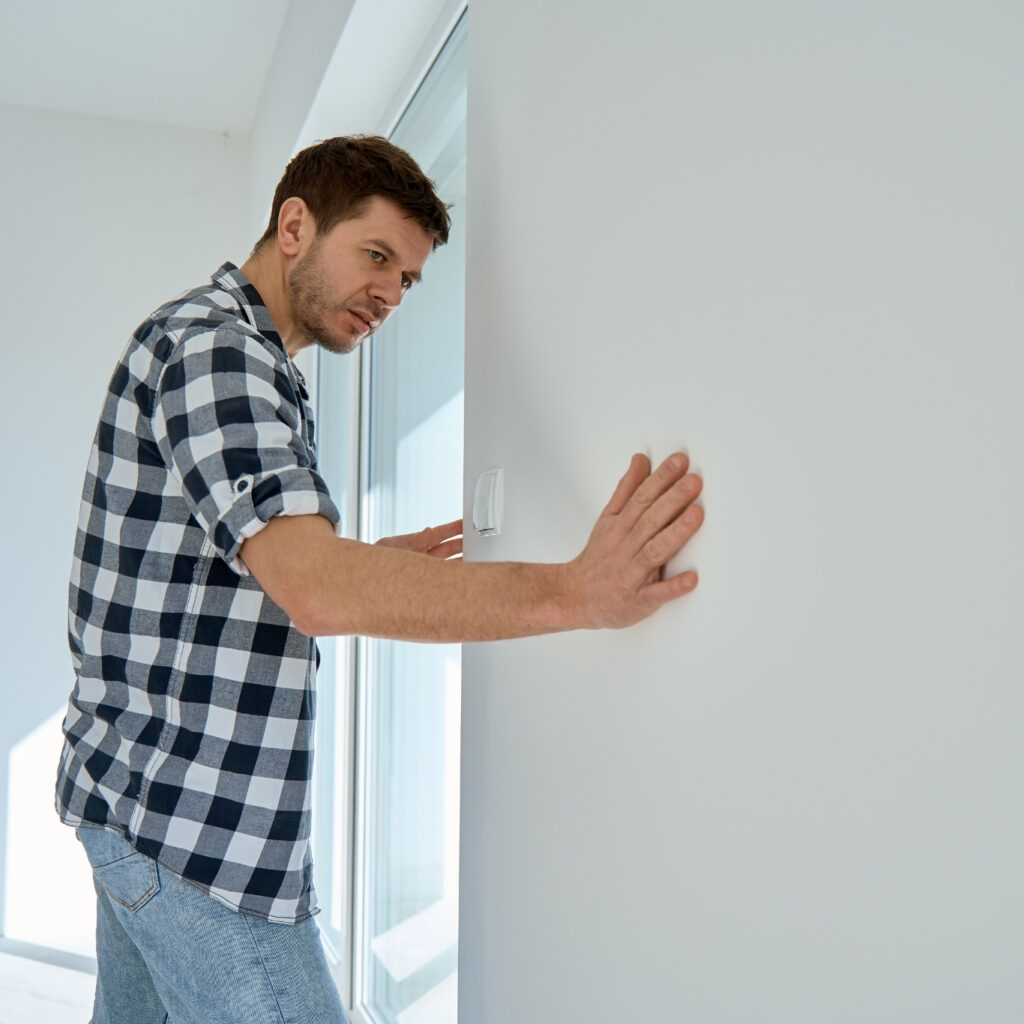
5. Soft or Spongy Walls
Structural compromise is a significant concern when water has extensively soaked drywall. Over time, the material becomes soft to the touch and may even crumble.
If you’ve noticed any of the signs above, your next step is to identify the source of the leak. Pinpointing this early is crucial to preventing more extensive drywall damage. Here’s how to spot potential leaks effectively.
1. Look for Recent Activity
Start by tracing areas near plumbing fixtures, water heaters, or appliances like dishwashers and laundry machines. Leaks often occur due to malfunctioning equipment or deteriorated seals.
2. Observe Your Home’s Exterior
Regularly inspect your roof, gutters, and siding. Damaged roof tiles or clogged gutters can channel water into your home, seeping into your walls or ceiling.
3. Keep an Eye on the Ceiling and Baseboards
Signs of water stains often first appear on ceilings or along baseboards closest to the floor. These areas act as an initial canvas when drywall absorbs water from above or below.
4. Use Moisture Meters
Special tools like a moisture meter can be a DIY-friendly (and accurate) option for gauging whether unseen areas of drywall contain moisture.
5. Check for Unexpected Water Bills
Has your water bill suddenly spiked? This is often a strong indicator of hidden leaks inside your walls. Combine this tip with visible signs of wall abnormalities to confirm.
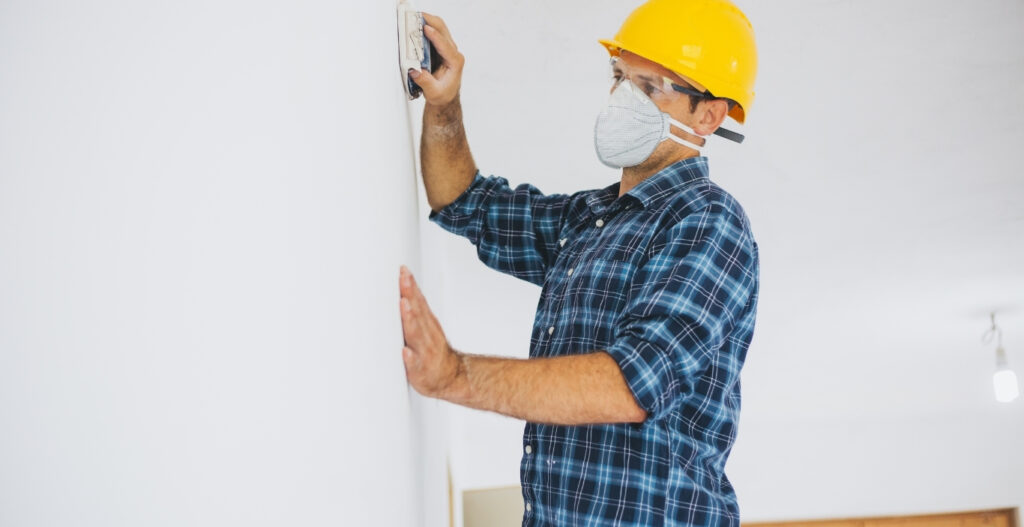
Vancouver homes are no strangers to rainy weather, which is why it’s essential for homeowners to take proactive steps to protect their drywall. Preventive measures can save you from expensive repairs down the line.
Addressing water damage promptly is essential to prevent further structural issues and potential health risks. If you notice signs of water intrusion, such as stains, peeling paint, or a musty odour, take the following steps immediately:
Proactive measures and timely interventions can make a substantial difference in preserving the integrity of your home and preventing long-term complications caused by water damage.
When it comes to drywall repair and installation, Handyman Connection stands out as a trusted and reliable choice. With years of experience in delivering high-quality craftsmanship, we ensure that every project is handled with precision and professionalism. Our skilled professionals are equipped to repair drywall damage from cracks, holes, or water-related issues, restoring your walls to their original condition while seamlessly blending repairs with existing surfaces.
Choosing Handyman Connection means investing in a team that values excellence and believes in future-proof solutions. For top-tier drywall services that enhance the comfort, appearance, and longevity of your home, Handyman Connection is the name you can trust. Experience the difference with us today.

#106 - 8557 Government Street
Burnaby, BC V3N 4S9

© Handyman Connection 2026 | Privacy Policy

 604-878-5232