We offer a wide range of services for that renovation, update, or regular maintenance to keep your home functioning and safe. We also offer financing options for those larger projects.

Drywall / April 17, 2026
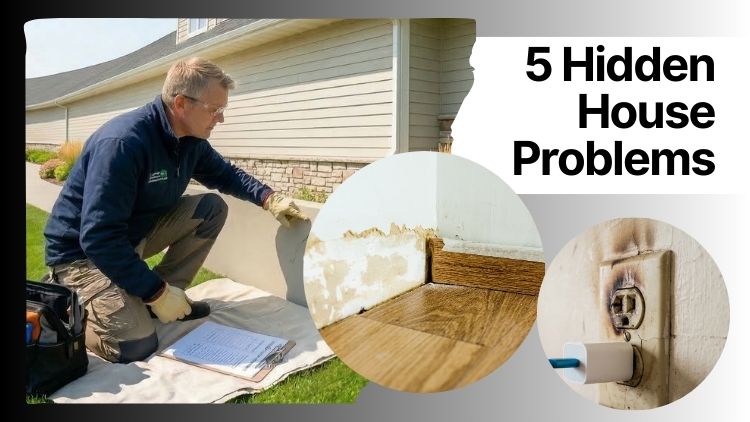
Drywall installation looks simple. But small mistakes—like overdriving a screw or misaligning a joint—can lead to cracked walls, visible seams, and costly repairs. These aren’t minor issues you can ignore. They show up the moment paint hits the wall, and fixing them often means starting from scratch.
So what actually goes wrong during drywall installation? The most common problems include poor sheet layout, over-tightened screws, rushed taping, bad mudding technique, and skipping prep work. Each one creates a chain reaction that affects the final finish.
Skilled professionals know where these mistakes happen—and they take deliberate steps to prevent them. At Handyman Connection in Saskatoon, our craftsmen bring the experience, tools, and attention to detail needed to get it right the first time. In this blog, we break down the most common drywall installation mistakes and explain exactly how our pros avoid them.
You can usually spot a bad installation before the paint even dries. A poor drywall job shows up as visible seams at the joints, bubbling or lifting tape, screw pops that push through the surface, wavy or uneven walls, and cracks that form along corners or near door and window frames.
These signs point to specific errors made during hanging, fastening, or finishing. They’re not cosmetic quirks—they’re symptoms of work that wasn’t done with the right technique. Once you know what to look for, a bad job becomes easy to recognize.
How the sheets go up matters just as much as how they’re finished. Poor layout creates structural weak points that crack over time.
What goes wrong:
How pros avoid it:
Professionals stagger joints the same way bricks are laid—offsetting each row so vertical seams never line up. They leave a 1/8-inch gap between sheets and at the floor and ceiling to allow for natural movement. Around door and window openings, they “notch” the sheet around the frame rather than placing a joint at the edge. Where extra support is needed at corners, they add 2×4 backing before hanging. Using 12-foot sheets wherever possible also reduces the total number of joints, which means fewer potential problem areas.
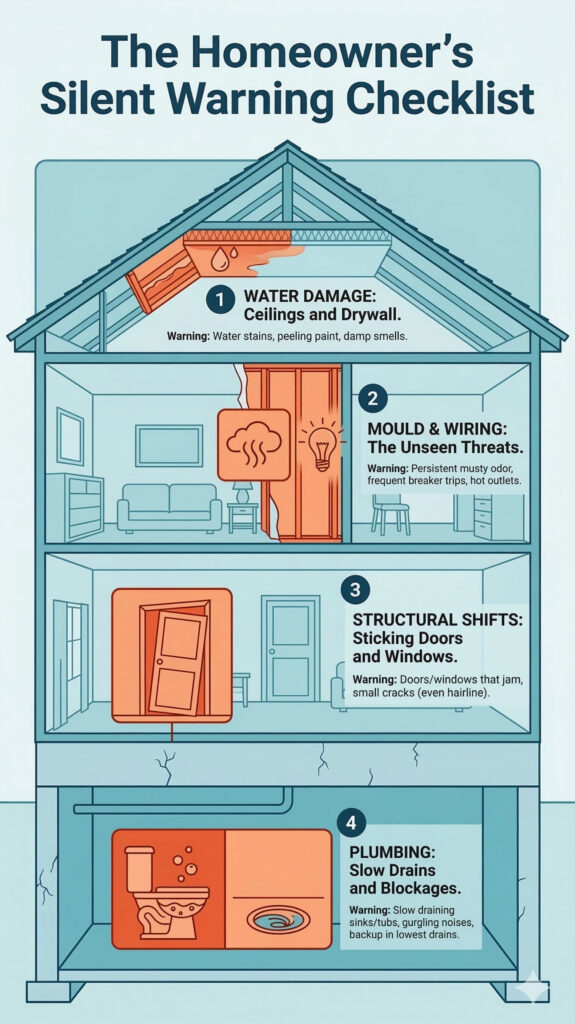
Screws seem straightforward. Drive them in, move on. But how and where screws are placed has a big impact on how the wall holds up over time.
What goes wrong:
How pros avoid it:
Experienced installers use a depth-sensitive screw gun or a drill attachment that stops the screw at the right depth—just below the surface without breaking the paper. They follow a consistent spacing pattern: screws every 12 inches in the field (the middle of the sheet) and every 6 to 8 inches along the edges. Before hanging, they mark stud locations clearly with a chalk line or pencil marks at the floor and ceiling, then use those marks as a guide when fastening. No guessing, no missed studs.
This is where most visible problems come from. Taping and mudding require patience. Rush them, and the results show up on every painted surface.
What goes wrong:
One common mistake is applying tape without enough compound behind it. When this happens, the tape can dry out and start to lift away from the wall. This creates bubbles or raised lines that show through paint. Another problem is applying thick coats of joint compound. Heavy layers shrink as they dry, which can cause cracks and long drying times.
How pros avoid it:
Our craftsmen apply three thin, feathered coats of joint compound—each one slightly wider than the last—and let every coat dry fully before moving on. Paper tape is embedded into wet compound so there’s no air underneath it. When sanding, pros use a low-angle light source to catch any bumps or ridges, then use sanding sponges rather than aggressive tools to avoid digging into the surface. It takes more time, but the result is a wall that’s genuinely smooth—not just smooth enough.
Prep work is easy to skip because it’s invisible once the job is done. But skipping it creates problems that are very visible later.
What goes wrong:
How pros avoid it:
Professionals check the environment before starting. The workspace should be between 13°C and 21°C with low humidity. Before any compound goes on, the surface is cleaned of dust and debris. Any damage to the boards is repaired first. After sanding is complete, a high-quality drywall primer is applied before paint. This step seals the surface evenly and ensures the finished wall looks consistent under any lighting.
Saskatoon’s climate creates unique challenges for homes. Winters are very cold and dry, while summers can bring heat and humidity. These big seasonal changes cause building materials to expand and contract. Over time, this movement can put stress on a home’s framing and walls.
Because of this, drywall must be installed carefully. Walls that do not have proper expansion gaps or staggered joints are more likely to crack. These cracks often appear around seams or corners as the home shifts. Proper installation helps prevent these problems and keeps walls looking smooth.
Homes in Saskatoon can also settle over time, especially in newer neighbourhoods where the ground is still adjusting. This movement makes correct drywall placement even more important. Professionals avoid placing joints near doors and windows and add proper backing at corners. Using the right screw spacing also helps keep drywall strong and secure as the home moves.
Screw pops happen when fasteners weren’t driven to the right depth, missed the stud, or when the framing behind the wall has shifted. In older homes, it’s often a combination of both. Pros fix this by driving the problem screw deeper and adding a new screw nearby, then patching over it.
A properly finished wall needs at least three coats. The first coat embeds the tape, the second fills and builds up the surface, and the third coat smooths everything out. Each coat must dry completely before the next one is applied.
It can, but the environment needs to be controlled. Joint compound won’t cure properly below 13°C. The space should be heated before installation begins and kept warm until the compound has fully dried. Rushing this in cold conditions leads to cracking and adhesion failure.
Paper tape is stronger and better for flat seams between sheets. Mesh tape is self-adhesive and works well for patching small holes. For full installations, paper tape is the professional standard because it creates a more durable bond at the joints.
It depends on the size of the space and how many coats need to dry between sessions. A standard room can take anywhere from two to five days when you account for proper drying time between mudding coats. Rushing that timeline is one of the most common causes of a poor finish.
This usually happens when the joint compound wasn’t feathered out wide enough, the surface wasn’t primed after sanding, or the finishing coats were applied too quickly. Flat paint in particular highlights any surface irregularities, which is why proper prep and priming are so important before the final coat goes on.
Drywall installation might seem simple, but it’s a process that requires precision and patience. Every decision, from how the panels are cut to how the screws are placed, plays a role in how your walls will look and stand the test of time. Skipping steps or rushing through the job often leads to visible flaws like uneven seams, cracks, or bubbles in the finish. That’s why it’s so important to work with professionals who take these details seriously.
At Handyman Connection in Saskatoon, we focus on getting the job done right the first time. Our team of skilled experts knows how to approach every step carefully, making sure each piece fits perfectly and the final finish is smooth and seamless. We also understand how Saskatchewan’s local conditions, like humidity and temperature changes, can impact your walls. This allows us to make smart choices that keep your spaces looking great for years to come.
Your project deserves the best. Reach out to Handyman Connection today and request an estimate. Whether it’s a small repair or a full renovation, we’ll work with you to create walls that are both durable and beautiful. Don’t leave it to chance—leave it to the experts who care.

105-111 Radu Crescent
Saskatoon, SK S7P 0G8
License #1320502

© Handyman Connection 2026 | Privacy Policy

 306-668-4444