We offer a wide range of services for that fresh look, or just maintenance or updates to keep your home functioning and safe. Regardless of the size of the job, we have a craftsman that can tackle it. We offer a wide range of services for that fresh look, or just maintenance or updates to keep your home functioning and safe. Regardless of the size of the job, we have a craftsman that can tackle it.
Maintenance & Installations / April 9, 2026
Most building materials don’t last forever. Some hold up for a century. Others need replacing within a decade. Knowing the difference can save you thousands of dollars and a lot of headaches down the road.
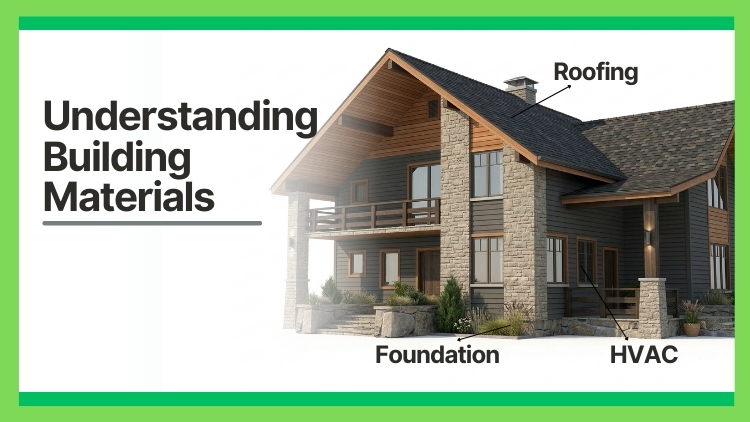
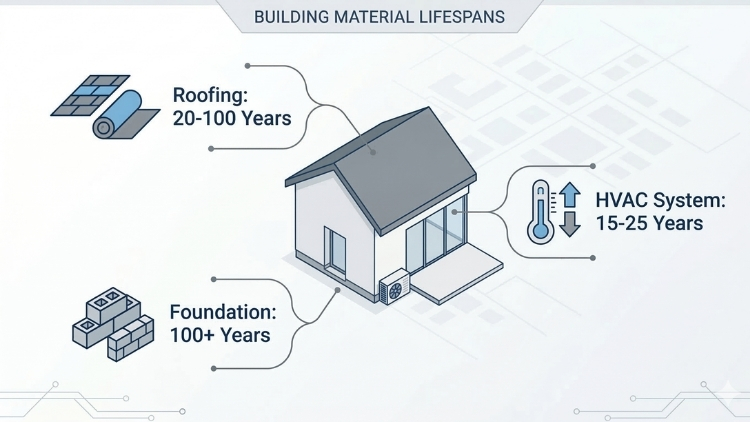
The lifespan of a building component depends on what it’s made of, how well it’s maintained, and the conditions it faces. Foundations can last 100 years or more. Roofing? Anywhere from 20 to 100 years, depending on the type. HVAC systems typically run for 15 to 25 years before needing replacement. Costs vary just as widely—roof replacements can range from $5,000 to $20,000, while a new water heater might run $800 to $2,500.
You don’t need to memorize every number, but you do need a general understanding of what to expect. This blog covers the lifespans, costs, and replacement timelines for the most common building components—so you can plan ahead, budget smartly, and protect the long-term value of your property.
In this blog, we’ll walk through each key building component one by one, with help from the professionals at Handyman Connection in Regina.
The lifespan of building materials varies greatly depending on the type of component, how it’s installed, and how well it’s maintained. Structural elements like poured concrete foundations and brick can last well over 100 years. Functional systems like HVAC, roofing, and flooring fall somewhere in between, with expected lifespans ranging from 8 to 80 years.
Here’s a quick overview:
Regular maintenance and professional installation are the two biggest factors that extend the life of any building component. Skipping routine upkeep almost always leads to earlier—and more expensive—repairs.
A strong foundation supports the entire structure of your home. Most poured concrete and concrete block foundations can last 100 years or more with proper care. Treated wood foundations usually last about 75 years. Waterproof coatings may also need to be reapplied every 10 years to keep moisture out.
There are several warning signs that your foundation may need attention. Cracks in concrete or masonry walls can signal stress in the structure. Water entering a basement or crawl space is another common issue. Uneven floors or noticeable settling may also point to foundation problems.
Foundation issues should never be ignored. In places like Regina, freeze-thaw cycles can put extra pressure on concrete and make small cracks worse. What starts as a minor problem can quickly grow into a major repair. Fixing issues early is usually much less expensive than waiting until serious damage occurs.
Roofing is one of the most talked-about maintenance items for a reason—it’s one of the most expensive to replace and one of the first to show its age.
| Roofing Type | Lifespan | Estimated Replacement Cost |
| Asphalt Shingles | 20–30 years | $5,000–$20,000 |
| Wood Shakes | 20–40 years | $8,000–$20,000+ |
| Metal Roofing | 40–80 years | $10,000–$25,000+ |
| Slate, Clay, or Copper | 50–100+ years | $15,000–$50,000+ |
Asphalt shingles are the most common roofing choice in Canadian homes—they’re affordable and relatively easy to maintain. But they do have a shorter lifespan compared to metal or slate. If you’re planning to stay in your home for decades, investing in a longer-lasting option can pay off significantly over time.
Warning signs that it’s time to replace your roof include widespread shingle damage, active leaks, missing sections, or a roof that’s approaching or beyond its expected age.
Your siding takes the brunt of every season. Rain, UV exposure, extreme cold, and wind all wear it down over time. The good news is that some siding options are built to last a lifetime.
When comparing siding options, think about long-term maintenance costs alongside the upfront price. Vinyl is cheaper to install, but it can crack in extreme cold—something Regina homeowners know well. Fibre cement holds up better in harsh climates and can be painted to match any style. Brick costs more to install but rarely needs major attention once it’s up.
Windows and doors affect your home’s comfort, energy efficiency, and curb appeal. Here’s what you can expect in terms of lifespan:
Energy-inefficient windows are often the biggest culprit behind high heating bills—a real concern in Saskatchewan winters. Upgrading to double or triple-pane vinyl windows can make a noticeable difference in both comfort and monthly energy costs. A professional assessment helps you decide whether it’s time to repair or replace.
Heating and cooling systems are workhorses. They run day in and day out, and they eventually wear out. Knowing their typical lifespans helps you plan for replacements before you’re left without heat in January.
Estimated Replacement Costs:
Red flags to watch for include rising energy bills, inconsistent temperatures throughout the home, and frequent small repairs. If your furnace has been repaired more than twice in a single season, replacement is likely more cost-effective than continuing to patch it.
Not all flooring is created equal. Some options last decades with proper care; others need replacing much sooner.
Composite vs. natural materials is worth considering here too. Composite decking, for example, outperforms traditional wood decking when it comes to rot resistance and maintenance requirements—making it a smarter long-term investment for outdoor spaces, even if the upfront cost is slightly higher.
When flooring is showing significant wear, gaps, or water damage, it’s time to bring in a professional. Proper subfloor assessment before installation makes the difference between flooring that lasts decades and flooring that fails prematurely.
Many homeowners focus only on the upfront price when choosing materials for their home. While this may seem like a good way to save money, it can cost more over time. A cheaper option may need to be repaired or replaced much sooner. For example, a $5,000 roof that lasts 15 years may cost more in the long run than a $12,000 metal roof that lasts 50 years.
Budget materials often come with lower initial costs. However, they usually wear out faster and need more frequent repairs or replacements. Premium materials such as slate roofing, copper gutters, or fibre cement siding cost more at the start. But they often last much longer and require less maintenance over time.
When thinking about lifecycle costs, it is important to consider more than the purchase price. Installation, maintenance, and eventual replacement should all be included in your decision. Regular maintenance also helps extend the life of many home components. Tasks like cleaning gutters, repainting siding every 7–10 years, and resealing concrete can prevent bigger and more expensive repairs later.
Regina’s climate puts unique demands on building materials. Extreme temperature swings—from -40°C in winter to 35°C in summer—cause expansion and contraction that accelerates wear on roofing, siding, foundations, and windows. Spring thaw can drive moisture into cracks that went unnoticed during winter.
This means that maintenance timelines in Regina may be shorter than national averages suggest. Asphalt shingles that might last 30 years in a milder climate could show significant wear in 20 years here. Vinyl siding can become brittle in extreme cold. Foundation waterproofing needs to be checked more frequently given the freeze-thaw cycle.
Choosing materials rated for extreme climates and having them installed and inspected by our local professionals, makes a real difference in how long they hold up.
A good rule of thumb: if repairs are frequent, costly, or no longer solving the problem, replacement is likely the better investment. For example, a roof with multiple leaks across different areas is usually past the point of patchwork repairs.
Yes, significantly. Resealing concrete, repainting siding, cleaning gutters, and servicing your HVAC system on schedule can add years—sometimes decades—to the lifespan of these components.
A capital replacement plan is a schedule that maps out when major building components will need to be replaced and estimates the associated costs. It’s a useful budgeting tool for homeowners and property managers who want to avoid financial surprises.
Not always—but often, yes. Premium materials like metal roofing, fibre cement siding, and porcelain tile tend to outperform cheaper alternatives over time. The key is comparing lifecycle cost, not just purchase price.
A general home inspection every 3 to 5 years is a good starting point. Components like roofing, HVAC, and foundations benefit from more frequent checks, especially in Regina’s climate.
Yes. Consistent upkeep is the most effective way to extend the life of any component. Catching small issues early—before they become major problems—is almost always less expensive than waiting.
Taking care of your home is one of the most important things you can do to protect your investment and keep it in great shape for years to come. By understanding how long different parts of your home are expected to last, how much they might cost to replace, and when they may need attention, you can stay ahead of any surprises. This makes it easier to plan your budget and avoid stressful situations when something suddenly needs repair.
At Handyman Connection in Regina, we know how important it is to keep your home running smoothly. Our skilled craftsmen are here to help you with all your home improvement and maintenance needs. Whether it’s fixing up your floors, replacing siding, doing carpentry work, or taking care of general repairs, we’ll make sure the job is done right. Your home deserves the best care, and we’re ready to provide it.
If you’re ready to tackle your home projects, don’t wait any longer. Request an estimate today, and we’ll work with you to make a plan that fits your needs. Together, we’ll keep your home safe, strong, and beautiful for years to come.

1440 Fleury Street
Regina, SK S4N 5B1

© Handyman Connection 2026 | Privacy Policy

 306-352-9900