We offer a wide range of services for that fresh look, or just maintenance or updates to keep your home functioning and safe. Regardless of the size of the job, we have a craftsman that can tackle it. We offer a wide range of services for that fresh look, or just maintenance or updates to keep your home functioning and safe. Regardless of the size of the job, we have a craftsman that can tackle it.
Plumbing / January 25, 2026
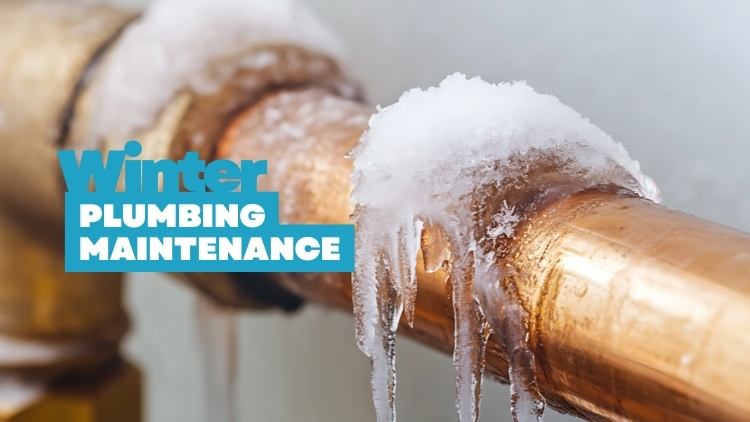
Winter in Etobicoke brings picturesque snow-covered landscapes, but it also presents unique challenges for your home’s plumbing system. Winter plumbing maintenance is essential to prevent the costly and inconvenient problems that can arise when temperatures drop below freezing.
At Handyman Connection, we understand how harsh winter conditions can test your plumbing’s resilience.
As temperatures begin to drop, taking proactive steps to protect your system isn’t just recommended, it’s necessary. Many homeowners overlook crucial tasks until they’re faced with a burst pipe or malfunctioning water heater on the coldest day of the year. Our team of experienced craftsmen is here to help you understand the essential maintenance tasks that will keep your plumbing functioning smoothly throughout the winter months, helping you avoid expensive emergency repairs when you least expect them.
Etobicoke’s winter temperatures regularly drop well below freezing, creating perfect conditions for plumbing problems to develop. The primary concern is frozen pipes, which can crack or burst when the water inside them expands as it turns to ice. A single burst pipe can cause thousands of dollars in damage to your home in minutes.
Beyond pipe freezing, winter brings other challenges to your plumbing system:
By implementing a winter maintenance schedule, you can significantly reduce these risks. Our craftsmen at Handyman Connection have helped countless homeowners protect their systems even during the harshest winters. The small investment in preventative maintenance now saves substantial repair costs later.
To ensure your plumbing system is fully prepared for winter, follow this comprehensive timeline of maintenance tasks. By spacing these tasks throughout the fall season, you’ll avoid the last-minute rush when the first cold snap hits.
Outdoor plumbing winterization: As temperatures begin to consistently drop below 10°C at night, it’s time to protect outdoor plumbing systems:
Pipe insulation assessment: Identify and insulate pipes in vulnerable areas like exterior walls, unheated spaces such as basements, crawl spaces, and attics, as well as garages and sheds with water lines.
Final weatherization: Complete these last steps before winter fully arrives:
This timeline gives you a structured approach to plumbing maintenance and helps ensure nothing gets overlooked in the preparation process. Many homeowners find this scheduled approach makes winter preparation less overwhelming and more effective.
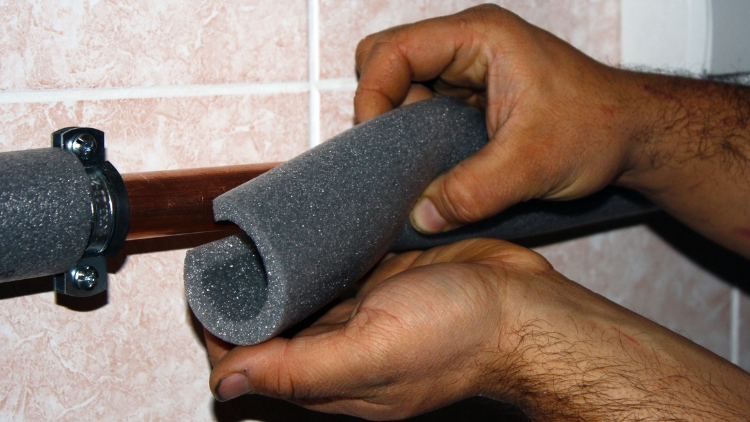
Beyond basic maintenance, these specialized techniques can further protect your plumbing system during the coldest months.
Proper insulation is your first line of defence against frozen pipes. Here are the most effective methods:
Consistent home heating prevents pipes from freezing even during extreme cold snaps. By maintaining a minimum temperature of 13°C (55°F) throughout your home even when away, and allowing warm air to circulate to areas with plumbing by keeping interior doors open, you’ll significantly reduce the risk of freezing issues. Consider a smart thermostat to alert you to dangerous temperature drops and program slightly higher overnight temperatures during extreme cold spells.
Moving water resists freezing, so during extremely cold periods, allow faucets to drip slightly, especially those connected to pipes in exterior walls. Running cold water for a minute every few hours if temperatures remain below -15°C and flushing toilets periodically in rarely used bathrooms are additional measures.
These techniques have helped our Handyman Connection clients avoid countless emergency calls during Etobicoke’s coldest days.
Different areas of your home require specialized attention during winter. Here’s our room-by-room guide to cold weather plumbing tips.
Your kitchen contains some of your home’s most frequently used plumbing fixtures. Under-sink pipes are often against exterior walls and are particularly vulnerable. Open cabinet doors during cold snaps to allow warm air to circulate the pipes. Regularly run your dishwasher during cold periods, and check the water supply line for signs of wear. Additionally, run cold water for 15 seconds before and after using your garbage disposal to prevent freezing in drain lines.
Bathrooms often have multiple water lines and fixtures that need protection. Toilets can crack if the water in their tanks freezes. Thus, add antifreeze designed specifically for plumbing to toilet tanks in rarely used bathrooms, and check for leaks that could lead to ice formation. Test anti-scald valves and replace old shower heads with models that perform well at lower water pressures. Repair dripping faucets that could lead to ice buildup in drains.
These areas often contain critical plumbing components but may have minimal heating. Consider increasing your water heater’s temperature setting slightly during winter, but never above 54°C for safety reasons. Use extra insulation on water supply lines in unfinished areas, and pour a gallon of water down floor drains monthly to keep traps filled, preventing sewer gases and cold air from entering.
By addressing each area of your home systematically, you create multiple layers of protection against winter plumbing failures.
If you’re ready to secure your plumbing system against the winter elements, Handyman Connection in Etobicoke is here to help. Our team provides expert guidance and professional services to ensure your home stays safe and your plumbing functions optimally all winter long. Contact us today to schedule your prevention inspection and ensure your peace of mind as the winter chill approaches.
168 A Oakdale Road, Unit 11
Toronto, ON M3N 2S5

© Handyman Connection 2026 | Privacy Policy

 416-240-8757