We offer a wide range of services for that fresh look, or just maintenance or updates to keep your home functioning and safe. Regardless of the size of the job, we have a craftsman that can tackle it. We offer a wide range of services for that fresh look, or just maintenance or updates to keep your home functioning and safe. Regardless of the size of the job, we have a craftsman that can tackle it.
Painting / December 23, 2025
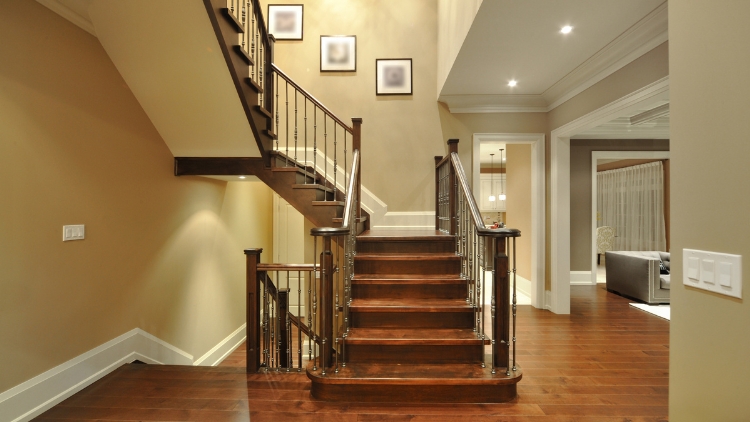
Painting a stairwell isn’t just another home project; it’s one of the trickiest areas to reach and one of the most rewarding to complete. Staircases connect levels of your home and often set the tone for your entire space. A fresh coat of paint on the rails, spindles, and landings can transform your stairs from dull and dated to bright and modern.
At Handyman Connection in Etobicoke, our team specializes in stairwell painting, railing and spindle painting, and high ceiling painting projects that require precision, safety, and a sharp eye for detail. We make sure every edge is smooth, every coat is even, and every finish looks flawless.
If you’ve been thinking about refreshing your stairs or high walls but aren’t sure where to start, you’re in the right place. In this article, you’ll learn how professionals handle every step of stairwell and high-wall painting, including surface prep, painting techniques, and final finishing touches that make your staircase stand out beautifully.
Every great paint job starts with preparation. When it comes to stairwells and high walls, this step matters more than ever. There are multiple surfaces to protect, uneven angles to reach, and limited floor space to work in.
Professionals begin by clearing the area and making sure it’s safe for ladders and extension tools. This includes removing artwork, rugs, or small furniture near the stairway.
Preparation ensures your stairwell painting job has a flawless foundation before a single brush stroke goes on.
Primer is what helps paint stick and stay vibrant for years to come. It creates an even base that seals the surface and improves durability.
Professionals use high-quality primers designed for the surface material, whether it’s wood, metal, or drywall. For railings and spindles, a bonding primer helps prevent chips and scuffs in high-touch areas.
After priming, painters sand lightly again with fine-grit sandpaper (around 220 grit) to smooth out any rough spots. This step may seem small, but it’s what separates a good paint job from a professional one.
A well-primed surface ensures consistent colour coverage and prevents the original shade or wood tone from bleeding through your new paint.
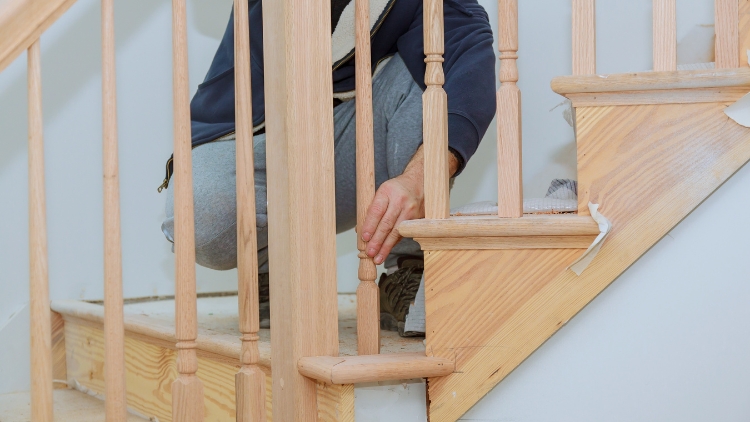
Painting stairwell walls and high ceilings requires special tools and techniques. Professionals use extension poles, ladders, and stabilizers to safely reach tall areas while keeping paint even and streak-free.
The process is slow and steady; every stroke matters. With professional high ceiling painting, you get consistent results that enhance the room’s height and light flow.
Painting the Rails and Spindles
Rails and spindles are often the most eye-catching parts of a staircase. They deserve the same care and precision as the walls. Because they have curves, corners, and fine details, the right tools and techniques are crucial.
Here’s how our professionals approach it:
The combination of skill, patience, and the right products gives your railing and spindle painting a clean, elegant result that looks brand new.
Refreshing Landings and Trim
The landings and baseboards at the top and bottom of the stairs often show wear from daily use. A fresh coat of paint can make them look polished again and tie the whole staircase together.
Painters start by filling nail holes, patching scuffs, and sanding out uneven spots. Then they apply primer and two coats of durable floor or trim paint for extra protection.
Landings and trim upgrades often include:
A professional touch ensures your stairs don’t just look fresh but feel unified from top to bottom.
Your staircase should complement the rest of your home while standing out as a design feature. Professionals help you choose paint colours and finishes that balance beauty and durability.
Here are a few popular combinations for stairwell painting projects:
When it comes to finishes, semi-gloss and satin paints are most common. They’re easier to clean and resist scuffs, perfect for high-traffic stairways.
Painting high walls or ceilings is not just about technique; it’s also about safety. Professionals use proper ladders, scaffolding, and extension tools designed for staircases.
Special ladder platforms and stabilizers are used to balance on uneven steps, keeping painters safe and steady. For extremely high stairwells, temporary scaffolding may be set up to provide a larger, more stable surface.
Painters also wear safety harnesses when needed and use extension poles for hard-to-reach spots. By working safely and methodically, professionals deliver precise results without putting their home or themselves at risk.
Once the paint has dried, the final stage is all about polishing the details. This is what gives the staircase that flawless, magazine-worthy finish.
The final steps include:
Even the smallest touch-ups make a big difference in the finished product.
Hiring experts for stairwell painting means you get more than just a fresh coat of colour. You get results that last. and peace of mind knowing it’s done right.
Benefits include:
A newly painted stairwell can completely change how your home feels: brighter, cleaner, and more inviting.
When everything is finished, the walls, railings, spindles, and landings, your staircase becomes a statement piece. Every level of your home feels connected and refreshed.
Professional stairwell painting not only enhances your home’s look but also adds value and long-term protection. With proper care, your new finish will last for years.
Your staircase is more than just a path between floors; it’s a focal point that deserves attention. Whether you need railing and spindle painting, high ceiling painting, or a complete stairwell painting project, our team at Handyman Connection in Etobicoke can help.
We handle everything from prep to cleanup, using high-quality materials and professional techniques for flawless results. Request an estimate today to learn more about how we can refresh your stairwell and give your home a clean, updated look you’ll love.

168 A Oakdale Road, Unit 11
Toronto, ON M3N 2S5

© Handyman Connection 2026 | Privacy Policy

 416-240-8757