We offer a wide range of services for that fresh look, or just maintenance or updates to keep your home functioning and safe. Regardless of the size of the job, we have a craftsman that can tackle it. We offer a wide range of services for that fresh look, or just maintenance or updates to keep your home functioning and safe. Regardless of the size of the job, we have a craftsman that can tackle it.

Home Improvement / April 16, 2026
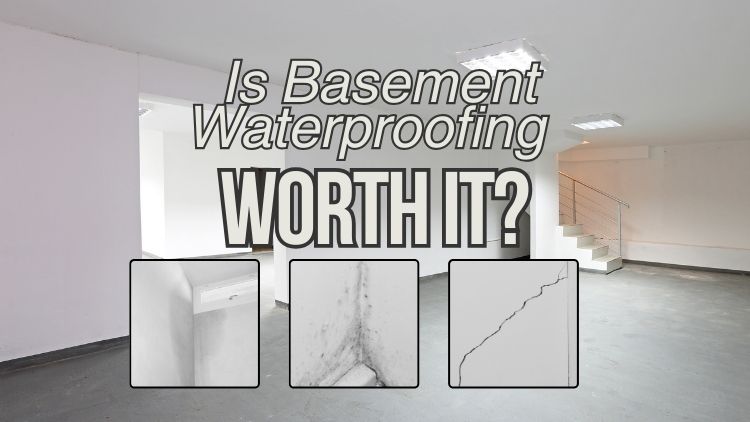
You’ve noticed a musty smell coming from downstairs. Maybe there’s a damp patch on the wall or a small puddle after a heavy rain. These are signs your home is trying to tell you something – and it’s worth listening. Basement waterproofing is one of the smartest investments a homeowner can make.
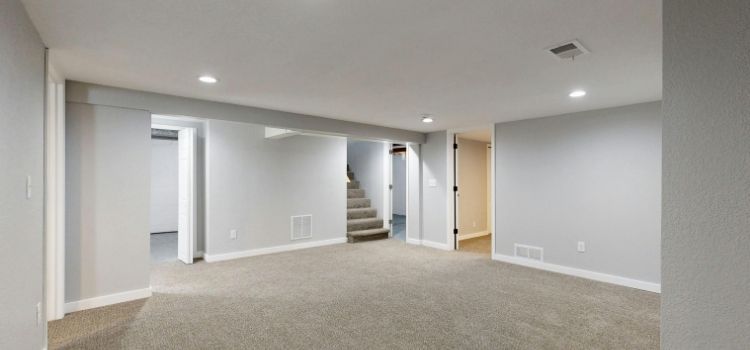
It’s not just about keeping your basement dry; it’s about protecting the entire structure of your home from potential damage. Waterproofing safeguards your foundation, prevents the growth of harmful mould, enhances indoor air quality, and can even increase your usable living space, turning a damp and dark basement into a comfortable and functional area.
The short answer to whether it’s worth it? Absolutely. However, there’s much more to consider. Why does waterproofing matter? What are the available options? How can you know if it’s time to invest in it? Understanding the ins and outs of waterproofing will allow you to make the best decision for your home and family. This blog will cover everything you need to know — from common waterproofing methods and their long-term benefits to red flags to look out for and when to call in the seasoned experts at Handyman Connection in Vaughan.
Like any home improvement project, basement waterproofing comes with a few drawbacks worth knowing about.
The biggest one is upfront cost. Professional waterproofing typically ranges from $2,500 to $8,200, depending on the size of your space and the method used. That’s a real investment and it can feel steep, especially if your space hasn’t flooded yet.
Some methods also require ongoing maintenance. Sump pumps need to be tested regularly. Drainage systems may need occasional cleaning. If these tasks aren’t kept up, the system’s effectiveness can decline over time.
There’s also the reality that not every method fixes the root cause. Choosing the wrong solution for your specific problem can leave you with moisture issues even after spending money on a fix. That’s exactly why professional assessment matters so much. The right approach depends on your soil conditions, your home’s layout, and where the water is coming from.
Not every home shows dramatic flooding. Many moisture problems start small and quietly get worse.
Here are the most common warning signs to watch for:
You don’t need to wait for flooding to act. Addressing early signs of moisture is almost always cheaper than dealing with the damage later.
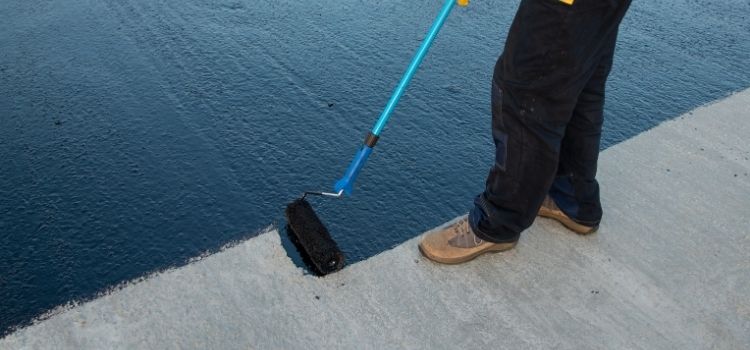
Exterior waterproofing is the most comprehensive approach. It works by stopping water before it ever reaches your foundation walls.
This method typically involves excavating the soil around your home’s perimeter, applying a waterproof membrane coating to the outside of the foundation, and installing weeping tiles (also called drainage tiles) to redirect groundwater away from the structure. Proper yard grading — ensuring the ground slopes away from the foundation — is also part of a solid exterior strategy.
Because it addresses the root cause of water intrusion, exterior waterproofing tends to offer the most long-lasting protection. It’s especially effective for homes in areas with high water tables or significant rainfall — which is very relevant for homeowners across Ontario, where spring thaws and heavy storms are common seasonal challenges.
This type of work is detailed, labour-intensive, and requires professional expertise to be done correctly. Our team at Handyman Connection understands the local soil conditions and climate factors that affect how water moves around your home.
Interior waterproofing focuses on handling water after it enters the home. It does not stop water from reaching the foundation. Instead, it controls the moisture and moves it away before damage can happen. This helps protect your basement from flooding, mould, and long-term structural issues.
One common solution is an interior French drain, also called a drain tile system. It is installed along the edge of the basement floor to collect water and direct it to a sump pump. Vapour barriers can also be added to basement walls to reduce moisture from seeping through the concrete. Sealants and epoxy injections are used to close cracks in walls or floors so water cannot pass through.
Waterproof coatings may also be applied to reduce surface moisture. These coatings help block dampness from spreading into the room. Interior systems are often less disruptive and more affordable than exterior methods. In many cases, homeowners benefit from using both interior and exterior solutions together for the best protection.
A sump pump is one of the most important tools in a waterproofing system. It’s installed in a pit at the lowest point of your space and automatically pumps out water before it can flood the area.
Sump pumps are especially valuable during heavy rainstorms or spring snowmelt — two things Ontario homeowners deal with every year. A properly installed pump activates automatically when water levels rise, giving you protection around the clock.
Key things to know about sump pumps:
A sump pump alone won’t fix all moisture problems, but as part of a complete waterproofing system, it’s extremely effective.
Water and foundations do not work well together. When moisture sits against concrete for long periods, it slowly weakens the material. Small cracks can grow larger over time. If damage becomes serious, repairs can cost much more than preventive waterproofing.
Here is what prolonged moisture exposure can do to a home’s foundation:
Even if your home has never flooded, small amounts of moisture can still cause damage over time. Preventive waterproofing helps protect the most important structural part of your home before problems grow worse.
The numbers speak for themselves. Our professional waterproofing can provide a return on investment of around 30%, according to data from Angi. It also protects against foundation repairs, mould remediation, and flooring replacement — costs that can quickly exceed the price of proactive waterproofing.
Beyond the financial return, there are quality-of-life benefits that matter just as much:
For most homeowners, the cost of doing nothing is far greater than the cost of getting it done right.
Ontario’s unique climate and structural landscape present specific challenges that make our professional waterproofing a critical investment. With cold winters and humid summers, seasonal temperature fluctuations often lead to increased moisture levels, frost heaving, and foundation stress. Homes in the region commonly feature basements, which are vulnerable to leaks, flooding, and high humidity if not properly maintained.
Additionally, varying rainfall patterns across Ontario, particularly during spring and fall, amplify the need for tailored waterproofing strategies. Local building regulations mandate specific standards for drainage and waterproofing systems, ensuring safety and durability. Issues like hydrostatic pressure, foundation cracks, and sump pump failures are frequent concerns for homeowners in cities like Toronto, Ottawa, and Hamilton.
Implementing solutions designed for Ontario’s diverse conditions not only alleviates these common problems but also safeguards your property against long-term damage. Selecting a trusted local provider ensures your home meets both climate-specific needs and regulation requirements, all while adding value to your property.
No. While quality waterproofing systems are built to last, ongoing maintenance is important. Annual inspections, gutter cleaning, and checking drainage systems help keep protection effective for decades.
Yes. Soil shifts, poor drainage, and construction variables can affect any home regardless of age. Early waterproofing prevents future issues and preserves your home’s value.
With proper maintenance, a quality system can last 20 to 30 years, depending on materials used and environmental conditions.
Most home insurance policies do not cover the cost of waterproofing. It’s considered a preventive measure, not damage repair. Check your specific policy for details.
It depends on your home’s specific situation. Exterior methods address the source of water intrusion, while interior systems manage moisture that has already entered. Many homes benefit from both.
Waterproofing your home is one of the best decisions you can make to protect it for the long term. Ignoring moisture problems can lead to bigger issues, like mold, structural damage, and costly repairs. The longer you wait, the more expensive and complicated it can become to fix. If you’re already seeing signs of water damage, like stains, leaks, or a musty smell, it’s important to act quickly. Even if there are no visible issues, it’s smart to take preventive steps to ensure your home stays dry and safe.
At Handyman Connection in Vaughan, we specialize in identifying and solving water intrusion issues. Our skilled craftsmen will assess your home’s unique needs and provide tailored solutions to give you peace of mind. With our expertise, you can trust that the job will be done right the first time. Don’t delay—addressing waterproofing now means avoiding unnecessary stress and expenses later.
Take control of your home’s future today. Request an estimate from Handyman Connection and take the first step toward lasting protection for your home. Together, we’ll ensure your home stays secure, comfortable, and ready to withstand the elements for years to come.

26-1950A HWY 7W
Vaughan, ON L4K 3P2

© Handyman Connection 2026 | Privacy Policy

 905-884-7678