We offer a wide range of services for that fresh look, or just maintenance or updates to keep your home functioning and safe. Regardless of the size of the job, we have a craftsman that can tackle it. We offer a wide range of services for that fresh look, or just maintenance or updates to keep your home functioning and safe. Regardless of the size of the job, we have a craftsman that can tackle it.

Maintenance & Installations / April 9, 2026
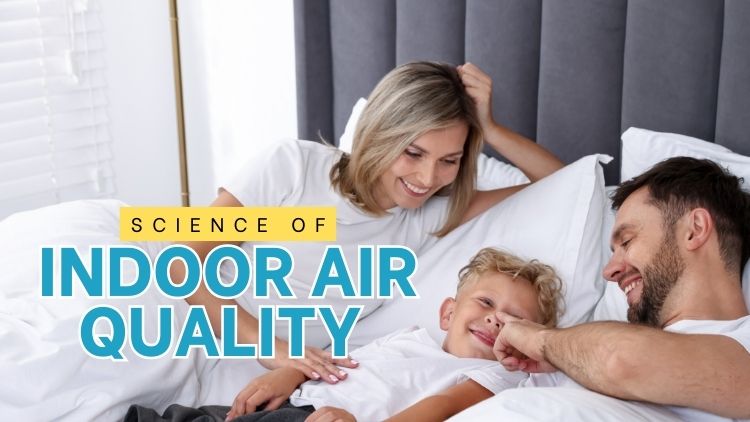
You might think the air inside your home is cleaner than the air outside. It’s not always the case. According to the U.S. Environmental Protection Agency (EPA), indoor air can be two to five times more polluted than outdoor air — and sometimes far worse. With most of us spending roughly 90% of our time indoors, the quality of the air in your home has a direct impact on your health, comfort, and overall well-being.
Indoor air quality (IAQ) refers to the condition of the air inside your home — specifically, how clean and safe it is to breathe. It’s shaped by a complex mix of factors: what materials your home is built from, how well it’s ventilated, how much moisture is in the air, and what everyday activities are taking place inside. Understanding these factors is the first step to protecting your household.
For expert advice and assistance in improving indoor air quality, Handyman Connection in Vaughan is here to help homeowners create healthier, more comfortable living spaces. In this blog, we’ll break down what every homeowner should know about the science of indoor air quality — from common pollutants and their health effects to practical steps you can take to improve the air you breathe every day.
Good indoor air quality directly affects your health. Poor IAQ has been linked to a wide range of short- and long-term health problems. In the short term, you might notice eye irritation, headaches, fatigue, or sinus congestion. Over time, prolonged exposure to indoor pollutants can contribute to chronic respiratory disease, heart disease, and even certain cancers — particularly those linked to radon exposure.
Children, older adults, and anyone living with asthma or allergies are especially vulnerable. The air inside your home isn’t something you can see, but the effects of breathing it every day are very real. Taking steps to monitor and improve your IAQ is one of the most meaningful things you can do for the people who live under your roof.
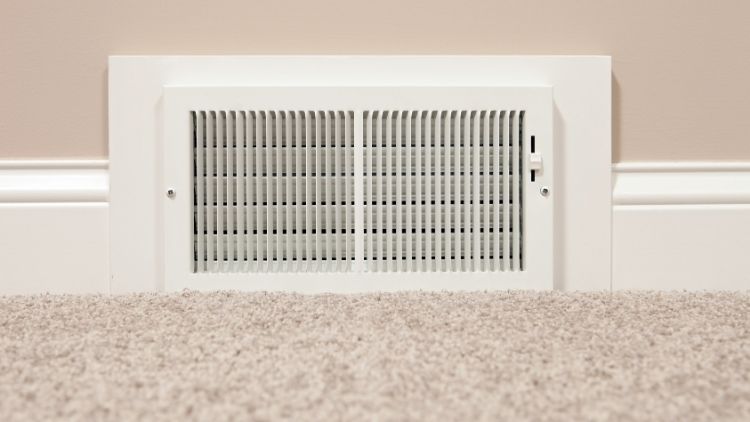
Indoor air quality is always changing. It is affected by what happens inside your home and what is going on outside. Many homeowners do not realize how quickly air conditions can shift. Understanding the main factors helps you see where problems may begin.
Here are the main factors that influence it:
Getting the balance right between sealing your home for energy efficiency and maintaining healthy ventilation is more complex than it sounds — which is why professional assessment makes such a difference.
Many Canadian homes contain hidden air pollutants. These contaminants are often invisible and hard to detect. Knowing what they are helps you understand the risks. Awareness is the first step toward protecting your home and your health.
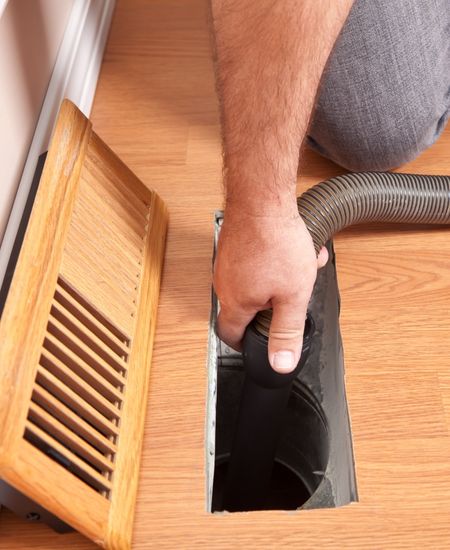
Pollutants do not just appear out of nowhere. They enter and build up through everyday activities and building materials. Understanding where these pollutants come from helps to understand why addressing IAQ isn’t always a simple fix. Each source needs a different solution.
Because there are many possible sources, improving indoor air quality often requires a full review of the home. Our professional assessment can identify the main problem areas and recommend the right solution.
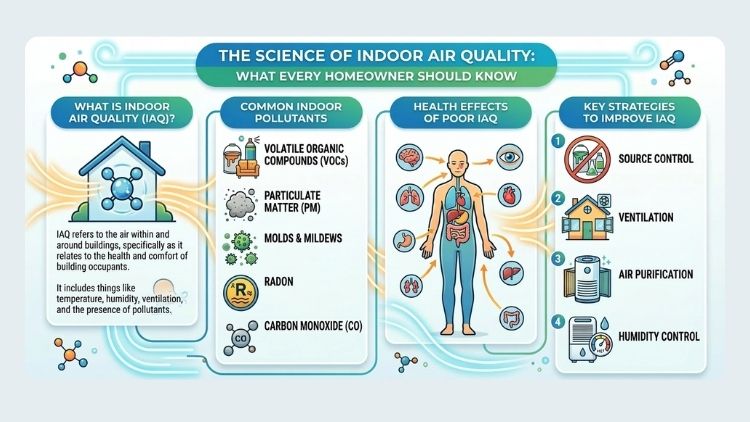
Poor indoor air quality can affect your health in many ways. Some symptoms are mild at first and may not seem serious. Others can become more severe over time. The effects do not always appear right away, which makes them harder to notice.
Short-term symptoms often include irritation in the eyes, nose, or throat. You may also feel headaches, dizziness, or unusual fatigue. Some people have trouble concentrating or notice more sinus congestion than usual. These symptoms can feel like a common cold or seasonal allergies.
Long-term exposure to poor indoor air can lead to more serious problems. It may increase the risk of chronic breathing issues or heart disease. In some cases, long-term exposure to pollutants like radon or formaldehyde can raise cancer risk. If your symptoms improve when you leave home and return when you come back, your indoor air may be the cause.
There are practical, proven strategies for improving indoor air quality in your home. Some can be done on an ongoing basis, while others require professional input. Here are a few of the best science-based solutions for better indoor air:
When you’re dealing with issues like radon mitigation, insulation off-gassing, or persistent mould growth, the complexity of the work goes well beyond simple maintenance. That’s where the experienced professionals at Handyman Connection come in — assessing the problem accurately and addressing it correctly the first time.

Look for persistent symptoms like headaches, fatigue, or respiratory irritation — especially if they improve when you leave home. Musty odours, visible mould, or condensation on windows are also warning signs.
At minimum, once a year. Annual professional inspections of furnaces, flues, and chimneys help catch problems before they affect your air quality or safety.
Yes. Radon levels vary by geographic location, and testing is the only way to know your home’s levels. Health Canada recommends testing all homes, particularly in basement living areas.
Between 30% and 50% relative humidity. Levels above 50% encourage mould and dust mite growth; levels below 30% can cause dryness and discomfort.
Yes. New carpets, flooring, and furniture — especially pressed wood products — can release VOCs and formaldehyde for weeks or months after installation. Ventilating well after bringing new materials into your home is important.
Living in Vaughan means dealing with a mix of seasonal weather that can affect your indoor air quality. The humid summers and cold winters can make it challenging to maintain consistent air conditions inside your home. High humidity in the summer can encourage mould growth, while the dry, heated air in winter can lead to discomfort and health issues. Keeping a balance, often between 30% and 50% humidity, is key for a healthy and comfortable indoor environment.
Homes in Vaughan often feature a mix of modern and traditional styles, with many built to withstand the diverse Ontario climate. Newer builds may include energy-efficient materials, but they sometimes trap indoor pollutants if ventilation isn’t optimal. Older homes, while full of character, might have issues like drafts or outdated HVAC systems that can affect air quality. Regular inspections and maintenance can help address these challenges and improve your living conditions.
Additionally, Vaughan follows regional building regulations to ensure health and safety, but seasonal changes can still bring unique challenges to local homeowners. The winter season, for example, may create issues such as dry air or condensation on windows, while spring can bring an increase in pollen and allergens. To improve indoor air quality, residents should focus on proper ventilation, invest in air purifiers, and regularly clean and maintain HVAC systems. These steps are essential for adapting to Vaughan’s climate and for enjoying a healthier home year-round.
Taking care of your home’s air quality is one of the most important steps you can take to protect your family’s health. Clean air impacts how you feel every single day, and when your air is fresh and free of harmful pollutants, it can improve your overall well-being. At Handyman Connection in Vaughan, we know that maintaining good indoor air quality can seem like a big challenge, but it starts with simple, straightforward steps. By addressing issues like proper ventilation, humidity control, and the removal of allergens, you can create an environment where everyone in your household can thrive.
Our experts are here to provide you with a complete evaluation of your home’s air quality. We work with trusted methods and tools to identify any concerns, offering solutions tailored to meet your needs. Whether it’s improving airflow, upgrading filters, or sealing problem areas, we take the guesswork out of creating a healthier space. Taking early action prevents future complications, including mold growth and respiratory issues, helping you save money long-term.
Don’t wait to make your air quality a priority. Request an estimate today and take the first step toward a happier home. Your family deserves the best, and we’re here to ensure you breathe easier every day.

26-1950A HWY 7W
Vaughan, ON L4K 3P2

© Handyman Connection 2026 | Privacy Policy

 905-884-7678