We offer a wide range of services for that fresh look, or just maintenance or updates to keep your home functioning and safe. Regardless of the size of the job, we have a craftsman that can tackle it. We offer a wide range of services for that fresh look, or just maintenance or updates to keep your home functioning and safe. Regardless of the size of the job, we have a craftsman that can tackle it.
Flooring / July 6, 2026
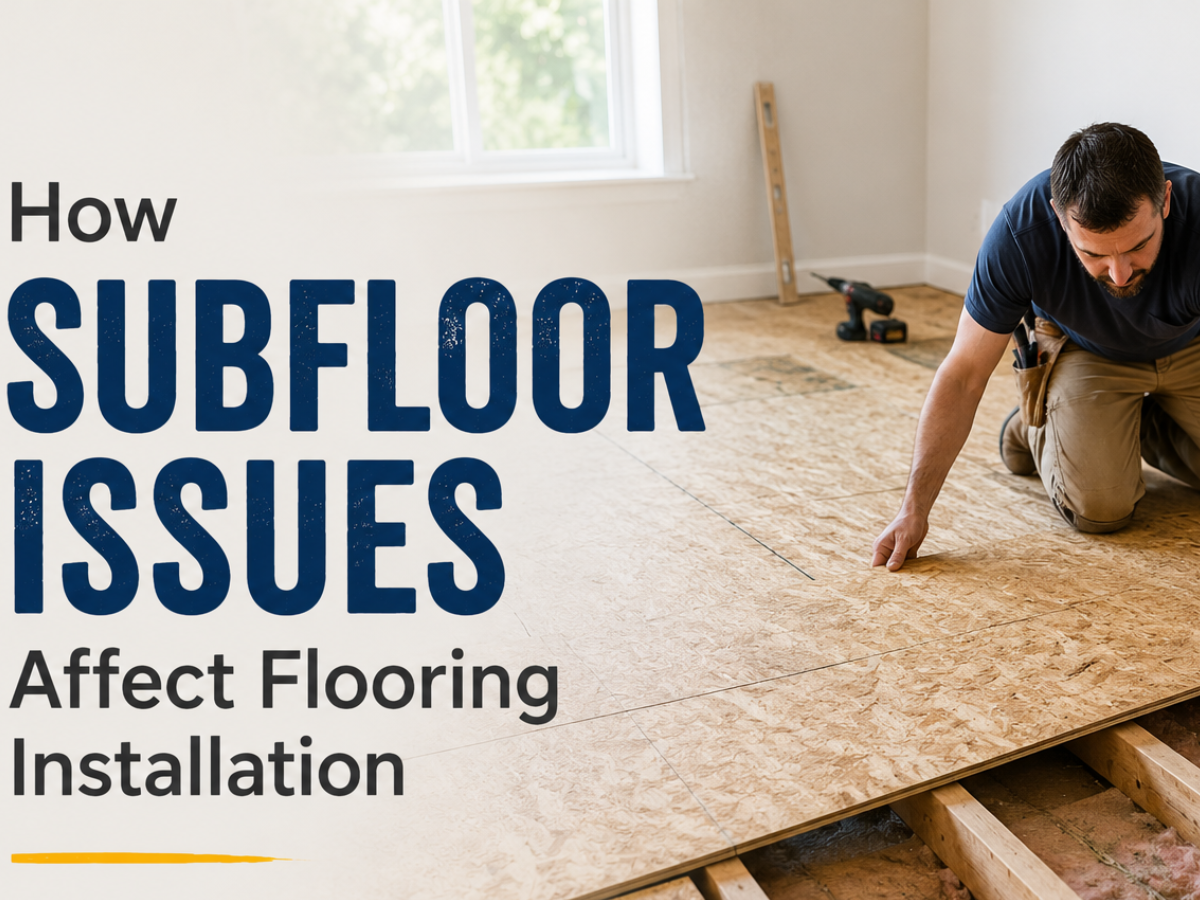
Subfloor problems like water damage or uneven spots ruin new boards or carpets. They cause bumps, cracks, and loud squeaks throughout your house. If the base is bad, the top layer will not last very long. At Handyman Connection in Regina, we see this exact problem all the time. We prevent you from blowing your budget on the first room.
This guide is for homeowners who want their new boards or carpets to look perfect and last a long time. Many people think a home update just involves picking out a nice colour or pattern. They do not realize that the hidden wooden base holds everything together. If that base is weak, bouncy, or wet, the beautiful new materials placed on top will quickly fail. Our team believes in doing the job right from the very bottom layer up to the final trim.
We know how frustrating it is to deal with a bumpy or noisy room. Fixing these hidden issues requires proper tools, materials, and a trained professional eye. You need a solid, clean, and flat surface to get the best results. In this blog, we explore the exact subfloor issues that affect new surface placement and how our professionals fix them.
If you do not fix or replace a bad base, your new surface will fail very fast. The new planks or tiles will copy the shape of the damaged wood underneath. This leads to cracking tiles, separating planks, and constant squeaking when you walk. An ignored problem simply grows into a much larger, more expensive disaster.
Skipping this step wastes your money and your valuable time. The top layer might look great for a few weeks, but the hidden damage will soon show up. Moisture can spread, and weak boards can dip or bend under heavy furniture. You will likely have to tear everything up and start the whole project completely over.
Our professionals always check the base layer first to protect your home. Our team takes the time to look for signs of rot, loose screws, and uneven areas. We make sure the foundation is solid before putting down any new material. Fixing the base properly means you will not have to worry about repeating the job next year.
When preparing a floor for new materials, ensuring a strong and even base is critical to avoid long-term issues. A smooth, level subfloor supports proper installation and extends the life of the finished surface. Without these precautions, severe structural and aesthetic problems can arise, impacting the quality and durability of the final result. Below are common issues that occur when subfloor problems are overlooked.
Moisture is an invisible yet powerful threat that can undermine any flooring project. When water or high humidity infiltrates the subfloor, it compromises the integrity of building materials and can lead to costly repairs. Addressing moisture issues promptly is critical to preserving the quality and durability of your flooring. Below are some common issues caused by moisture and why timely intervention is essential.
Loud squeaks happen when the base boards come loose from the sturdy joists below. Walking on these loose areas causes the wood to rub firmly against old nails. Putting a new covering over a squeaky base will not stop the annoying noise from happening. In fact, the squeaking usually gets louder as the old wood continues to bend and shift.
Fastening the old boards tightly with special screws is the only way to stop the sounds. This critical step stops the rubbing movement and creates a quiet, stable foundation for the room. Our experts know exactly where to place the screws to get the tightest hold possible. We carefully secure every single loose panel so the entire area feels solid under your feet.
We always walk across the entire room to find these noisy, loose spots before we begin. Securing the base is a straightforward process for our trained team, but it makes a massive difference. A quiet home starts with a strong, silent foundation that does not move when you step. Our reliable fixes ensure you will not have to listen to creaking steps ever again.

Wood panels need a tiny bit of space to expand when the weather changes throughout the year. If the old panels are pushed too tightly together, they will push against each other and buckle. This creates raised ridges that push directly up against your new beautiful covering. These tight panels hold a lot of pressure and can even damage the joists underneath.
When the panels buckle, the top layer lifts up and creates dangerous tripping hazards. Thin materials like sheet vinyl will easily show every single ridge and bump in the room. Over time, the raised spots will wear out much faster than the rest of the flat area. Replacing worn-out patches is frustrating and ruins the smooth look of your newly updated space.
Our experts know exactly how much space these wooden panels need to stay safe. We can accurately trim the edges of tight panels or replace sections that have already buckled. This careful prep work keeps the whole area perfectly smooth and ready for the next step. Proper spacing allows your home to breathe naturally without destroying your expensive new materials.
Outdated materials left on a surface can disrupt the success of any new installation. Old glue, paint, and dirt completely ruin the chance for a perfectly smooth surface. When gluing down a new covering, the surface must be totally clean and free of debris. If old sticky spots are left behind, the new glue will not hold anything down properly.
Prepping the base is the most important part of any successful room update. We start by cleaning the area completely and checking for any weak or damaged spots. Our experts know exactly what to look for to ensure your home is safe and ready. We take this inspection very seriously because a strong base prevents costly disasters down the road.
If we find dips or slopes, we use a special self-levelling compound to make the area perfectly flat. For loose or squeaky spots, we drive strong screws directly into the joists to secure the panels. We also check carefully for moisture and install vapour barriers to block future dampness from rising. These reliable steps guarantee that your new covering will sit perfectly flat and stay totally dry.
If the wood is rotten or badly broken, we cut out the bad sections and install brand-new panels. Our team makes sure the new pieces fit perfectly with the old ones for a seamless look. We handle all the heavy lifting and precise cutting so you get a flawless finish. You can trust our experienced team to leave your room stronger and better than it was before.
Regina has very dry winters and humid summers, which heavily affects the wood inside your home. The extreme temperature changes cause base panels to expand and shrink constantly throughout the year. This constant movement can easily loosen old nails and create unwanted, drafty gaps between the boards. We know how to secure these boards so the seasonal shifts do not ruin your lovely room.
Older homes in Regina also face unique challenges from shifting prairie soil and melting winter snow. Freeze-thaw cycles can push extra moisture into basements, causing hidden water damage in the dark. It is vital to check for these local weather impacts before putting down any new materials. Ignoring the local climate usually leads to warped wood and dangerous mould growing out of sight.
Our local team understands exactly how the harsh Saskatchewan climate impacts your cozy house. We know the right tricks to seal out moisture and stop freezing winter drafts from ruining your project. A locally tailored approach ensures a long-lasting result that stands up to the toughest local weather. We prepare your rooms to stay beautiful, warm, and secure through every single season.
You may notice a musty smell coming from the floor or feel soft spots when you walk across the room. In some cases, the flooring above may start to warp, peel, or change colour because of moisture underneath. Rotting wood can also make the floor feel uneven or weak over time. Water leaks and high humidity are common causes of subfloor damage. Our professional inspection can confirm how serious the damage is and what repairs are needed.
No, new flooring should not be installed over an uneven base. If the surface underneath is not level, the new planks may crack, shift, or wear out much faster. Uneven flooring can also create gaps and make walking unsafe. The base layer needs to be repaired and levelled properly before new materials are added. This helps the new floor stay strong, smooth, and long-lasting.
The time depends on how serious the damage is under the floor. Small repairs, like tightening loose screws or sanding down bumps, may only take a few hours. Larger repairs, such as replacing rotten wood or applying a levelling compound, can take one or two full days. Drying time may also be needed before new flooring can be installed. Our professionals can inspect the area and give a more accurate timeline for the work.
Yes, vapour barriers are very important for protecting floors from moisture damage. They help stop water and damp air from rising up through the ground and damaging the wood above. This is especially helpful in basements or homes with crawl spaces underneath. Without a vapour barrier, moisture can lead to mould, warping, and rotting wood over time. Installing one can help your flooring last much longer and stay in better condition.
A spongy floor usually means there is serious damage underneath the surface. Water may have weakened the wood, or the floor joists below could be starting to rot. This can make the floor unsafe to walk on if the problem gets worse. Spongy flooring should always be checked by our trained professionals as soon as possible. Fixing the problem early can help prevent larger repairs and keep your home safe.
Fixing the base layer is the ultimate secret to a beautiful, lasting home update. A flat, dry, and secure foundation completely stops squeaks, prevents cracking, and keeps your rooms looking great. Skipping the important prep work only leads to costly fixes and ruined materials down the road. We ensure everything is perfectly prepared so your new space brings you joy for many years.
Letting our professionals handle the prep work removes all the stress and hard physical work. Our experts know how to spot hidden problems and fix them correctly the first time. We want you to enjoy your freshly updated rooms without worrying about what is hiding underneath. Trusting a professional means you get peace of mind and a stunning final result.
At Handyman Connection in Regina, we have the tools and skills to handle any foundational problem quickly. We are dedicated to providing excellent service and a safe, beautiful environment for your family. If you want a flawless finish, contact us to request an estimate and let us prepare your home the right way.

1440 Fleury Street
Regina, SK S4N 5B1

© Handyman Connection 2026 | Privacy Policy

 306-352-9900