We offer a wide range of services for that fresh look, or just maintenance or updates to keep your home functioning and safe. Regardless of the size of the job, we have a craftsman that can tackle it. We offer a wide range of services for that fresh look, or just maintenance or updates to keep your home functioning and safe. Regardless of the size of the job, we have a craftsman that can tackle it.
Drywall / November 23, 2025

Water-damaged drywall repair is one of the most critical maintenance tasks homeowners in Ottawa face, especially after our notorious spring floods or winter pipe bursts. Just like the resilient Rideau Canal that has weathered countless seasons, your home’s structure needs proper care to maintain its integrity when moisture strikes. At Handyman Connection, we’ve seen firsthand how delayed repairs can transform a simple water spot into a serious mould problem that compromises both your property and your family’s health.
When moisture infiltrates your drywall, it creates the perfect environment for mould growth – warm, dark, and damp. This isn’t just an aesthetic issue; it’s a health concern that requires immediate attention. By understanding the signs of water damage and the importance of prompt action, you can take steps to ensure your home’s safety.
Water damage occurs in many ways – from obvious flooding events to subtle, ongoing leaks behind walls. Regardless of the source, the outcome is the same: compromised structural integrity and potential health hazards.
When water damages drywall, mould can begin growing within 24-48 hours, presenting several serious health concerns:
For Ottawa residents, our humid summers and cold winters create unique challenges for homes. The freeze-thaw cycle can exacerbate small leaks, while summer humidity provides ideal conditions for mould to flourish.
Beyond health considerations, water-damaged drywall poses significant structural problems:
Loss of Strength: Once saturated, drywall loses its structural integrity. The gypsum core becomes soft and unable to support fixtures or withstand normal household activities.
Spreading Damage: Moisture from saturated drywall can migrate to nearby building materials, including wooden studs, ceiling joists, and flooring, leading to extensive damage.
Electrical Hazards: Water-damaged walls containing electrical outlets or wiring create dangerous conditions that could lead to shorts or even electrical fires.
Early detection is crucial for preventing mould growth and minimizing repair costs. Here are the key indicators that your drywall has been compromised by water:
While minor water spots from one-time incidents might be repairable, certain conditions indicate that drywall replacement is the only safe option:
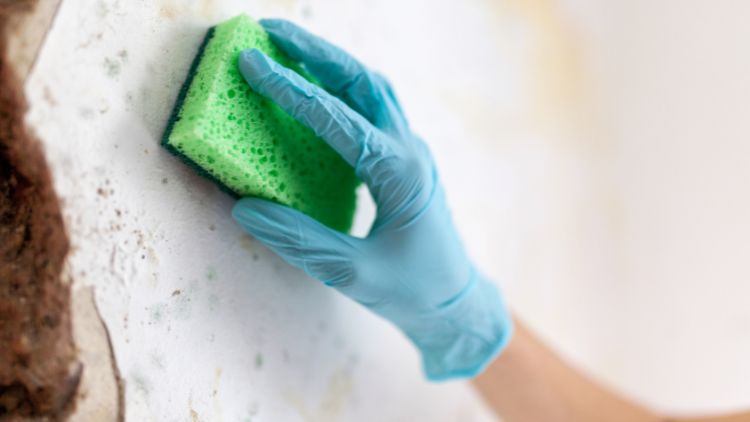
At Handyman Connection, we emphasize that replacing damaged drywall is only effective if you address the underlying moisture source. This preventative approach saves homeowners substantial money and stress in the long run.
Identifying and correcting these common culprits will help prevent recurring drywall damage:
Plumbing Leaks: Aging pipes, particularly in older neighbourhoods like the Glebe or Westboro, often develop small leaks that cause significant damage over time.
Roof Problems: Missing shingles or damaged flashing can allow water to infiltrate attics and eventually reach the ceiling drywall.
Poor Exterior Drainage: Improperly graded yards or clogged gutters direct water toward your foundation instead of away from it.
Humidity Issues: Inadequate bathroom ventilation or improper use of humidifiers can raise indoor moisture levels enough to damage drywall over time.
Implement these preventative measures to protect your home’s drywall:
When preventing mould in drywall becomes necessary through replacement, following proper procedures ensures effective remediation and prevents future issues.
The removal process must be handled carefully to prevent mould spores from spreading throughout your home:
Before installing new drywall, the underlying structure must be completely dry and treated:
Our drywall replacement tips focus on using the right materials and techniques:
While some homeowners consider tackling water-damaged drywall themselves, there are important factors to consider before making this decision.
For very minor damage, DIY repair may be a viable solution; however, for more significant issues, we recommend consulting professional services to ensure safety and effectiveness.
Revisiting the value of professional intervention, not only does it ensure comprehensive safety and effectiveness, but it also saves time and potential added expenses from improper handling.
Taking proactive steps now can protect your home from damage and health risks. If you’ve noticed signs of water damage in your drywall, contact Handyman Connection in Ottawa today. Our expert team is ready to provide prompt, professional service, ensuring your home remains a safe and comfortable place.

1550B Chatelain Ave
Ottawa, ON K1Z 8B5

© Handyman Connection 2026 | Privacy Policy

 613-723-5021