Handyman Connection is a Great Fit for You! Visit our Career Page! Click Learn More.

Electrical / August 6, 2026
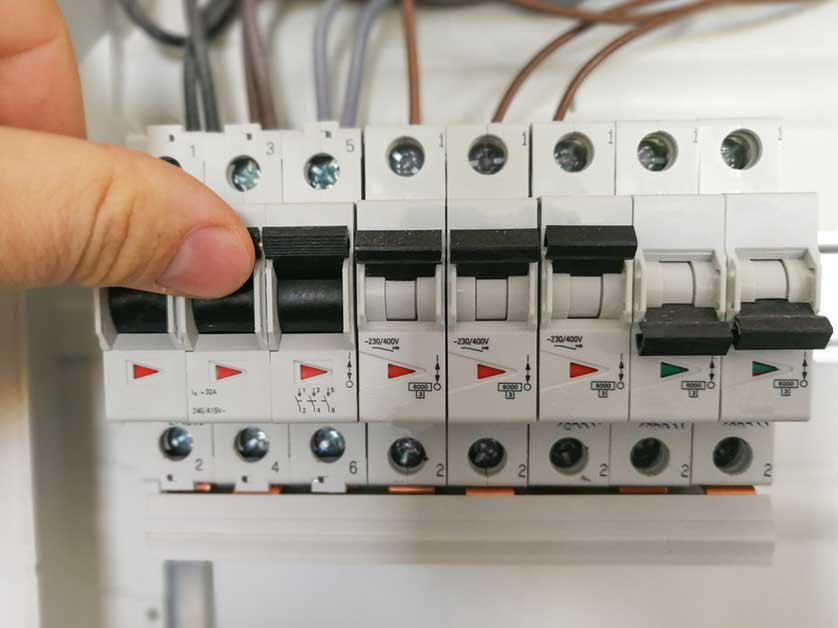
When you’re thinking about electrical safety in your home or business, understanding the difference between a fuse and a circuit breaker is essential. Both devices are designed to protect your electrical system from dangerous overcurrents that can cause fires or damage equipment. However, they perform this critical function in different ways, and choosing the right protection can make a significant difference in safety, convenience, and long-term reliability.
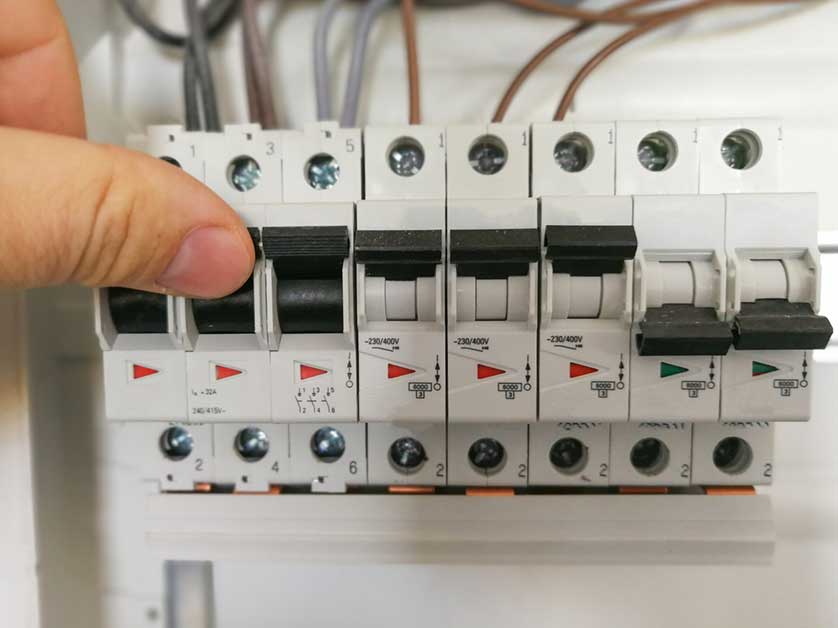
A fuse is a simple, sacrificial device designed to interrupt the flow of electricity when the current exceeds a safe level. Inside the fuse is a thin metal strip or wire with a specific melting point. When the electrical current surpasses that limit, the wire melts, breaking the circuit and preventing further damage or potential fire hazards.
Fuses are still found in some older homes and certain electronic devices because of their simple design and quick response time. For example, some older HVAC disconnects and appliances continue to use cartridge fuses for precise circuit protection. Fuses react more quickly than circuit breakers during severe short circuits, making them well suited for protecting sensitive electrical components. They are also generally less expensive initially, but once a fuse blows, it must be replaced.
Common benefits of fuses include:
Drawbacks include:
Circuit breakers serve the same protective purpose but use a resettable mechanical or electronic switch to interrupt the electrical circuit during overloads or short circuits. Most modern homes are equipped with circuit breakers in the main electrical panel. When a fault occurs, internal trip mechanisms, whether electromagnetic, thermal, or electronic, automatically disconnect power. Once the issue has been resolved, the breaker can simply be reset.
One of the greatest advantages of circuit breakers is their reusability. They can be reset without replacing any components, making them more convenient for homeowners. Circuit breakers are also designed to handle higher electrical demands, making them ideal for modern homes and commercial properties.
Key advantages include:
Potential disadvantages include:
Choosing between a fuse and a circuit breaker depends on your home’s electrical system. Older homes with lower electrical demands may still function adequately with fuse panels if they remain in good condition. However, for most homeowners, circuit breakers have become the preferred standard because they offer greater convenience, improved protection, and easier maintenance.
As electrical demands increase with heating, cooling, and modern appliances, circuit breakers provide more reliable protection while making it easier to restore power after an overload or temporary fault.
Commercial buildings and multi-family properties also benefit from circuit breakers because they safely manage multiple circuits and higher electrical loads while making troubleshooting faster and more efficient.
At Handyman Connection of Mason, we frequently help homeowners upgrade outdated fuse boxes to modern circuit breaker panels. Replacing an older fuse-based electrical system improves overall safety while making it much easier to restore power after electrical interruptions.
It’s also important to ensure your electrical panel is properly matched to your home’s electrical load. If you’re experiencing frequent blown fuses or tripped breakers, it may be time to schedule a professional electrical inspection or consider upgrading your electrical panel.
For reliable electrical upgrades, repairs, and safety inspections, trust Handyman Connection of Mason. Whether you need fuse replacement, circuit breaker installation, or a panel upgrade, our experienced team is ready to help keep your electrical system safe and up to date. Contact us at (513) 733-3777 or fill out our contact form to schedule service in Blue Ash, OH.

10979 Reed Hartman Hwy, Suite 311
Blue Ash, OH 45242

© Handyman Connection 2026 | Privacy Policy

 (513) 733-3777