Handyman Connection is a Great Fit for You! Visit our Career Page! Click Learn More.
Decking / April 7, 2026
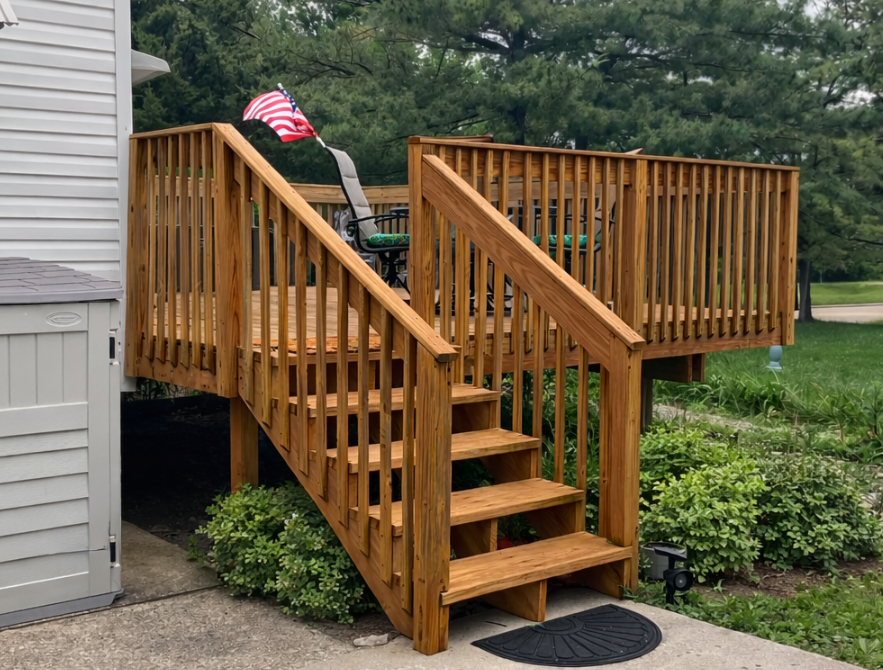
Choosing the right decking material is a key decision for any outdoor renovation project. Selecting the best material for your deck means balancing style, cost, durability, and how a deck weathers local conditions. Whether you are planning a brand-new deck or replacing worn wood, understanding your options will help you create a low-maintenance, long-lasting space perfect for gatherings or quiet evenings outdoors.
Pressure-treated wood is popular due to its affordability and wide availability. Most pressure-treated lumber comes from southern yellow pine, treated to resist rot, insects, and mold, providing essential protection against moisture. Homeowners often choose this option because:
Decks built from pressure-treated wood require diligent upkeep. You will need to power wash regularly and apply a stain or sealant every few years to prevent cracking or warping. Be prepared for possible board replacements over time if left without protective maintenance.
Redwood and cedar are valued for their beautiful grain and rich coloring, enhancing the look of any outdoor space. Their naturally occurring oils and tannins offer resistance to rot and insects.
However, these woods come at a premium price. Cedar is easier to source locally and weathers to an elegant silver-gray over time. Both require annual cleaning and a new finish every few years, so consider your willingness to maintain their natural appearance.
Composite decking is a fast-growing choice, combining recycled wood fibers and plastics into boards that withstand the elements. Advantages include:
The initial investment is higher than traditional lumber, but maintenance costs and effort are lower over time. Composite decks may occasionally develop mold in damp areas, so proper drainage is important. Many contemporary decks installed by Handyman Connection of Mason use composite materials, offering a blend of style and long-term resilience. If you want a deck that looks great year after year with minimal upkeep, composite is an excellent choice.
Tropical hardwoods, such as ipe and cumaru, offer premium performance and a distinctive appearance. These woods are extremely dense, naturally resisting decay and insects. While more expensive, their hardness reduces the need for frequent repairs or splinter replacements.
Installation can be more complex, and it is important to select ethically and sustainably harvested options. Left untreated, tropical hardwoods weather to a silver-gray, but regular sealing with UV-blocking products helps preserve their original color.
Aluminum and concrete are modern decking options with excellent durability. Aluminum will not rust, warp, or succumb to mold, and its heat-dissipation properties keep it cooler underfoot during hot summer days.
Concrete decking, whether a poured slab or decorative tile, provides a contemporary aesthetic with high resistance to moisture and freeze-thaw cycles. Both options come at a higher initial cost but require minimal maintenance and offer long-term value.
The right decking material depends on your budget, style preferences, and dedication to maintenance. From classic wood to modern composites, each option has unique strengths in Blue Ash’s climate. For homeowners seeking reliable installation and expert guidance, consulting professionals ensure a deck designed and built for years of outdoor enjoyment. If you are ready to enhance your outdoor living area, contact Handyman Connection of Mason for comprehensive deck installation and reliable deck repair services throughout Blue Ash, OH. Call us at (513) 733-3777 or fill out our online form to get started.

10979 Reed Hartman Hwy, Suite 311
Blue Ash, OH 45242

© Handyman Connection 2026 | Privacy Policy

 (513) 733-3777