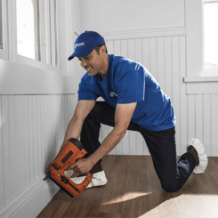
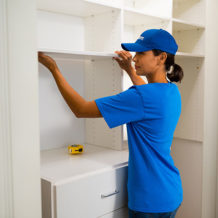
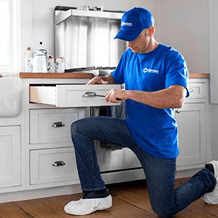
We offer a wide range of services for that fresh look, or just maintenance or updates to keep your home functioning and safe. Regardless of the size of the job, we have a craftsman that can tackle it. We offer a wide range of services for that fresh look, or just maintenance or updates to keep your home functioning and safe. Regardless of the size of the job, we have a craftsman that can tackle it.
Plumbing / April 6, 2026
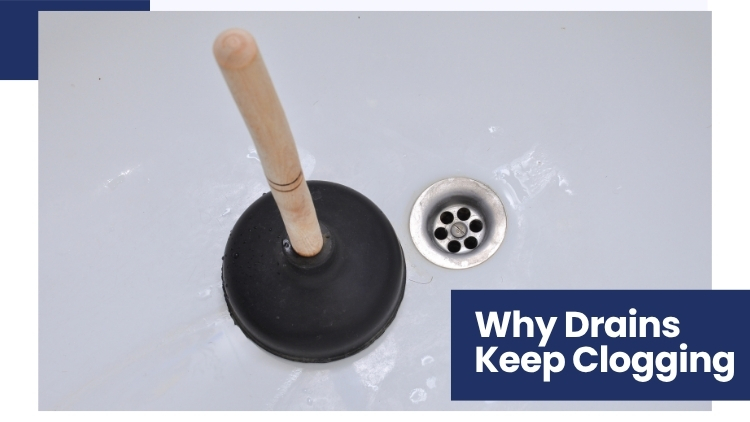
You turn on the tap. The water sits. You wait. It drains slowly — again. If this sounds familiar, you’re not dealing with bad luck. Recurring clogs are one of the most common plumbing complaints homeowners face, and they almost always point to something deeper going on inside your pipes.
The short answer? Your drains keep clogging because of one (or more) of these causes: buildup, bad habits, or a hidden structural issue. A one-time blockage is usually a fluke. But when it keeps happening, that’s your plumbing telling you something is wrong.
Knowing what’s behind the problem is the first step. Whether it’s grease coating your kitchen pipes, hair tangled in your shower trap, or tree roots creeping into your sewer line, each cause has a different fix — and most of them require a professional to do it right. In this blog, we’ll walk you through the most common reasons your pipes keep blocking up, what it really means for your plumbing system, and how the team at Handyman Connection in Calgary can help.
The right fix depends on what’s causing the clog in the first place. Surface-level blockages — like hair near the drain cover — are different from deep-seated problems like grease buildup or damaged pipes further down the line.
If your pipes keep clogging in the same spot, a professional inspection is the most reliable next step. Our team uses camera technology to see exactly what’s happening inside your pipes, so we can clear the blockage properly — not just push it further down. Recurring clogs are a sign that the root cause hasn’t been addressed, and that’s exactly what we’re trained to find.
Tree roots are one of the sneakiest culprits behind recurring plumbing blockages — especially in older Calgary homes. Roots naturally seek out moisture, and even a tiny crack or joint gap in your sewer line is enough of an invitation.
Once roots get inside, they grow. What starts as a thin tendril becomes a thick tangle that catches grease, paper, and debris. Over time, the blockage becomes severe. You might notice:
Standard snaking won’t solve a root problem. Our professionals use camera inspections to confirm root intrusion, then apply the right tools — including hydro-jetting and root cutting — to clear the line and restore proper flow.
Many older homes in Calgary still have clay or cast iron pipes underground. These pipes were strong when they were first installed, but they wear down over time. Years of use, moisture, and soil movement can cause them to crack or corrode. As they age, the inside of the pipes becomes rough and uneven.
Rough pipe walls make it easier for debris to stick inside the line. Hair, grease, soap, and other waste begin to collect along the sides. Over time, these materials build up and narrow the space where water can flow. Eventually, water starts draining slower than it should.
In some cases, the pipes may also shift or partially collapse underground. This creates areas where waste gets trapped and blockages form more easily. If your home is older and you deal with frequent clogs, aging pipes may be the cause. A professional inspection can help find the problem and prevent bigger plumbing issues later.
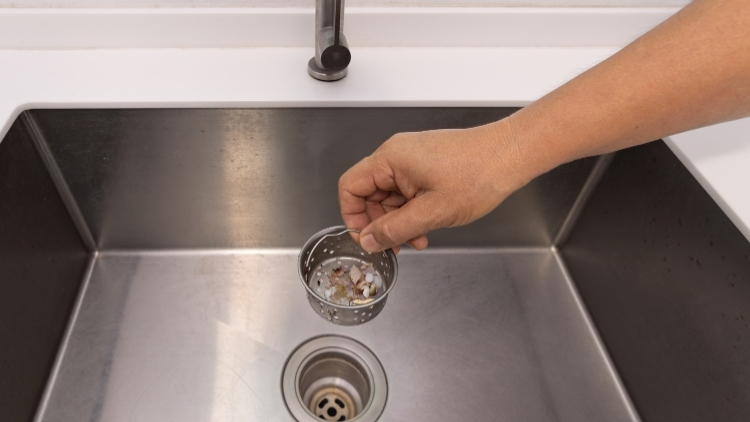
Drain pipes are installed at a slight angle so water and waste can move downhill. This slope allows gravity to carry waste through the plumbing system. When pipes are installed correctly, water flows smoothly through the line. Problems happen when that slope changes.
Over time, soil movement or settling can cause a pipe to sag. This creates a low spot in the pipe known as a “belly.” Instead of flowing forward, water and debris collect in this dip. Waste begins to build up in the same area again and again.
A bellied pipe often leads to repeated clogs and slow drains. No matter how often the line is cleared, the blockage tends to return. This happens because the structural problem has not been fixed. A professional inspection with a camera can locate the sag and determine the best repair.
Even clean-looking pipes can be coated in a film of bacteria, soap scum, grease, and organic matter called biofilm. It builds up slowly on pipe walls over months and years, narrowing the passage and creating a sticky surface that catches everything flowing past.
Common contributors to sludge buildup include:
This type of buildup doesn’t respond well to store-bought liquid cleaners. In fact, harsh chemical products can damage pipes — especially older ones. Our professionals use hydro-jetting to scour the interior pipe walls and remove biofilm completely, giving your plumbing a clean reset.
Many products labeled “flushable” are not safe for plumbing systems. Unlike toilet paper, these wipes do not break down easily in water. Instead, they stay intact and move through the pipes as solid material. Over time, they collect and create stubborn blockages.
Other common items cause the same problem. Feminine hygiene products, cotton swabs, paper towels, and dental floss do not dissolve in water. When flushed, they can tangle together and trap grease or debris. This quickly forms a clog inside the toilet or sewer line.
These blockages are one of the most common causes of serious toilet clogs. Many homeowners do not realize the problem until drains stop working properly. Our professional plumbers can safely remove these obstructions and restore normal flow. Once cleared, avoiding these items helps prevent future plumbing issues.
A single slow pipe might just be a localized clog. But when you’re seeing problems across multiple fixtures, the issue is almost certainly in your main sewer line — the pipe that connects your home’s entire plumbing system to the municipal sewer.
Signs that your main line may be affected include:
A main line issue is serious. If left alone, it can lead to raw sewage backing up into your home, which creates health risks and costly water damage. This is not a situation where waiting makes things better. Calling our professionals at the first sign of a system-wide problem is always the right move.
Living in Calgary comes with its own set of plumbing considerations due to the region’s distinct climate, building styles, and seasonal conditions. The city’s cold winters and fluctuating temperatures can take a toll on plumbing systems, leading to frozen pipes, cracked sewer lines, and blocked drains. Homes in Calgary often rely on basement plumbing, which can be particularly vulnerable to these issues during the freeze-thaw cycles common in the area.
Local building codes and regional regulations also require homes and businesses to adhere to specific standards for plumbing installation and maintenance. Understanding these guidelines is critical to ensuring your system remains both compliant and efficient. Additionally, the city’s hard water—a result of calcium and magnesium content in the water supply—can contribute to mineral buildup in pipes, reducing water flow and increasing the likelihood of blockage.
Seasonal challenges further emphasize the importance of regular inspections and proactive measures. Spring’s melting snow can lead to flooding or sewer backups, while the rapid drops in temperature during winter can freeze pipes if they are not adequately insulated. These common issues make timely professional assistance in Calgary essential to maintain a fully functional and resilient plumbing system throughout the year.
Whether you’re dealing with seasonal plumbing concerns or year-round maintenance, our team understands the unique challenges faced by Calgary homeowners. We’re here to provide tailored solutions designed to match local needs and conditions.
If the clog keeps coming back in the same spot, the blockage was likely never fully removed. Hair and soap scum can stick to pipe walls, and surface clearing only addresses the top layer. A professional cleaning gets to the root of it.
No. Repeated use of harsh chemical cleaners can corrode pipes — especially older metal ones — and cause more damage over time. They’re also not effective against most serious blockages.
If more than one fixture is slow or backing up at the same time, the issue is likely in the main line. Our team can perform a camera inspection to confirm and identify the exact location of the blockage.
Most homes benefit from a professional inspection every one to two years. Homes with older pipes or nearby trees may need more frequent attention.
Yes — use mesh strainers in all sinks and showers, avoid pouring grease down the kitchen pipes, and only flush toilet paper. These habits won’t eliminate the need for professional maintenance, but they do help extend the time between visits.
Ignoring a plumbing problem might seem like no big deal, but it can lead to costly repairs down the road. Recurring clogs don’t just go away on their own — they are a sign that something deeper is wrong with your plumbing. It could be a blockage, buildup, or even an issue with the pipes themselves. Acting early saves time, money, and the headache of dealing with a major plumbing emergency.
At Handyman Connection in Calgary, we don’t take shortcuts. Our team uses the right tools and techniques to find out exactly what’s causing the problem. We investigate the issue thoroughly, so we can provide a lasting fix, not just a temporary solution. Whether it’s a small repair or a bigger project, we’re ready to help you prevent future disruptions.
Don’t wait until a minor clog turns into a burst pipe or water damage. Request an estimate today and see how we can help. A reliable fix now means less stress and more peace of mind in the future. Trust Handyman Connection to get the job done right the first time.

206 2915 21 St NE
Calgary, AB T2E 7T1

© Handyman Connection 2026 | Privacy Policy

 403-735-3257