We offer a wide range of services for that fresh look, or just maintenance or updates to keep your home functioning and safe. Regardless of the size of the job, we have a craftsman that can tackle it. We offer a wide range of services for that fresh look, or just maintenance or updates to keep your home functioning and safe. Regardless of the size of the job, we have a craftsman that can tackle it.
Drywall / April 25, 2026
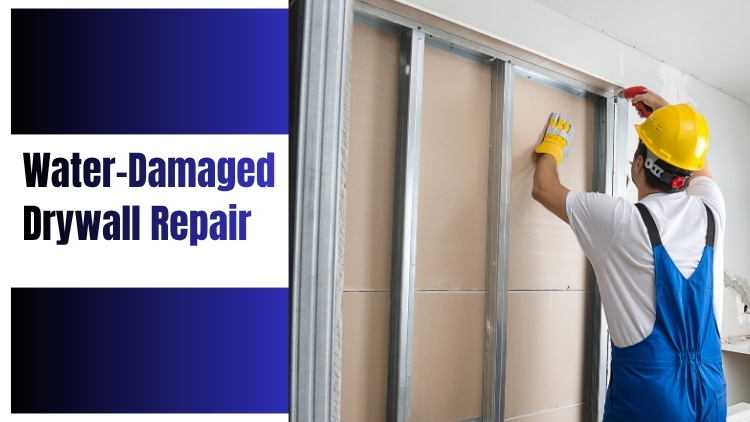
Water damage moves fast. One small leak left unchecked can soak through your walls, weaken the structure of your home, and create the perfect conditions for mould. When that happens, the question isn’t whether you need help—it’s how quickly you can get it.
You should call a craftsman for water-damaged drywall as soon as you notice visible mould, soft or sagging walls, persistent musty odours, or damage that has been wet for more than 48 hours. These are not situations to wait on. The longer the moisture sits, the worse the damage gets—and the more expensive the repair becomes.
This guide covers the key warning signs that point to serious water damage, explains each situation in detail, and helps you understand exactly when it’s time to stop waiting and call a professional. In this blog, we’ll walk you through every major sign that your water-damaged drywall needs expert attention from a skilled craftsman at Handyman Connection in Calgary.
This is one of the most common questions homeowners ask—and the answer matters. Drywall can start growing mould in as little as 24 to 48 hours once it becomes wet. That’s less than two days.
Gypsum, the core material inside drywall panels, absorbs moisture quickly. Once it does, mould spores that are already present in the air latch on and begin to multiply. The longer the wall stays damp, the deeper the mould grows—sometimes spreading into the insulation and framing behind the wall before you ever see it on the surface.
This is exactly why acting fast is so important. If you know water has touched your walls, don’t wait to see what happens. A professional assessment can determine how far the damage has spread and what needs to be done to fix it properly.
If you can see mould, you have a serious problem. Mould on drywall doesn’t just look bad—it can spread quickly and cause real health issues, including breathing problems, allergies, and irritation of the eyes and throat.
Mould often appears as dark green, black, or grey spots on walls or ceilings. You might notice it around a water stain or near a baseboard where moisture has pooled. Even small patches can signal a larger problem hidden inside the wall.
Here’s what makes mould especially difficult to deal with:
Our craftsmen at Handyman Connection assess the full extent of mould growth, remove the affected material safely, and make sure the source of the moisture is addressed so it doesn’t come back.
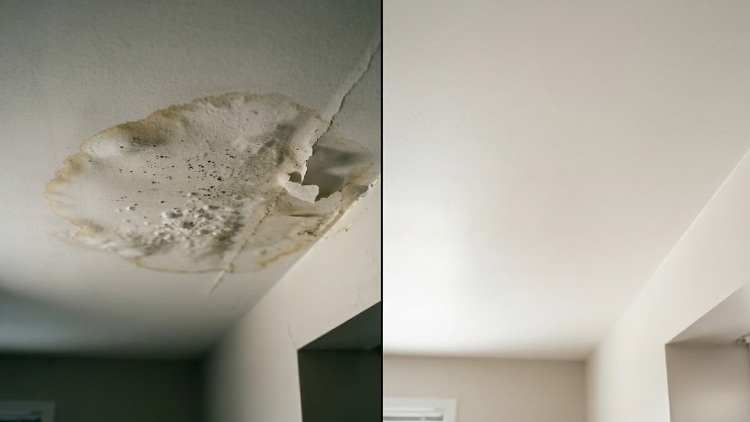
When drywall absorbs too much water, it stops doing its job. The panels become soft, saggy, and weak. You might press on a wall and feel it give under light pressure. You might see a section of the ceiling beginning to bow downward. These are signs of structural damage—and they need professional attention right away.
Structurally compromised walls and ceilings can collapse without much warning. That’s a safety risk for anyone in the home.
Watch for these warning signs:
Our team assesses the scope of the structural damage, removes what can’t be saved, and replaces it with new material that restores the integrity of your walls and ceilings.
Sometimes water damage isn’t discovered right away. A slow leak behind a wall can go unnoticed for weeks or months. By the time you find it, the damage is no longer minor—it’s extensive.
If a large portion of your wall or ceiling has been affected, a patch-and-paint approach won’t cut it. Widespread water damage weakens the entire panel, and in many cases, the insulation behind the wall has also been saturated. That insulation needs to be replaced, not just dried out.
The longer water damage sits, the more it costs to fix. Large-scale repairs require the right tools and expertise to make sure everything is properly dried, replaced, and restored. Our craftsmen handle repairs of all sizes, ensuring the job is done thoroughly—not just on the surface.
Not all water is the same. A burst clean water pipe is very different from sewage backup or floodwater. If the water that soaked into your walls came from a contaminated source, the repair process becomes significantly more complex.
Contaminated water—sometimes called “blackwater”—contains bacteria, chemicals, and other harmful materials that can embed themselves in your walls. Cleanup requires proper safety equipment and disposal procedures that go beyond basic repairs.
If your home was exposed to any of these sources, professional help is essential:
Our team takes the right precautions to handle contaminated water damage safely, protecting both your home and your family.
Sometimes water damage is not visible at all. You might notice a musty smell in a room even though the walls look completely normal. That smell is often a warning sign that moisture is trapped somewhere inside the wall. When moisture stays hidden, mould may already be growing behind the surface.
Hidden moisture is one of the hardest types of water damage to detect. The walls may look dry, but water can still be trapped inside the materials. Without the right tools, it is very difficult to know how far the moisture has spread. Over time, this hidden dampness can weaken drywall and encourage mould growth.
Our professionals use special moisture detection tools to locate the problem accurately. Once the source is found, they can open the wall in the right place and treat the affected area properly. This helps remove the moisture and repair the damage completely. Ignoring a musty smell rarely solves the problem—it usually means something deeper needs attention.
Some water damage situations are more complicated than others. Ceiling repairs, damage to textured or specialty drywall, and cases where large sections of panelling and insulation need to be replaced all fall into this category.
These repairs require specific skills and techniques to get right. For example, matching the texture of existing drywall takes practice and experience. A poorly matched repair stands out immediately and may need to be redone. Ceiling repairs add another layer of difficulty—working against gravity while ensuring a seamless, safe result is not straightforward.
Our craftsmen handle complex repairs with the right tools and experience:
Calgary’s climate adds some unique challenges to water damage situations. Freeze-thaw cycles in the spring and fall can stress pipes and cause unexpected leaks. Heavy snowfall followed by rapid melting can create moisture issues in basements, crawl spaces, and exterior walls. Ice damming on roofs during winter can push water into walls and ceilings in ways that aren’t immediately obvious.
Calgary homes also deal with significant temperature swings throughout the year, which affects how quickly materials dry out and how mould develops. In cooler months, drying times are longer, which means moisture sits in walls and ceilings longer before evaporating.
Our team at Handyman Connection understands these local conditions. We’ve worked on homes across Calgary and the surrounding communities, and we know what to look for based on the season and the type of damage involved.
Look for discolouration, yellow or brown staining, bubbling paint, or soft spots on the wall. A musty smell is also a common early warning sign.
In very minor cases with minimal moisture exposure, it’s possible. However, drywall that has been wet for more than 48 hours, or that shows signs of mould or structural damage, needs professional assessment and repair.
A craftsman uses moisture detection tools to find hidden water damage. Persistent musty odours, peeling wallpaper, or stains that keep reappearing after painting are all signs that the damage may be deeper than the surface.
Not always. Minor staining that has fully dried may only require sealing and repainting. However, any panel that is soft, crumbling, or showing mould growth typically needs to be replaced.
Our craftsmen locate the source of the leak before any repair work starts. This is a critical step—fixing the wall without addressing the source means the damage will return.
Coverage depends on your specific policy and the cause of the damage. Sudden damage from a burst pipe is often covered, while gradual leaks may not be. We recommend checking with your insurance provider directly.
Water damage won’t go away on its own. If you leave it unchecked, it can quickly spread, leading to more serious problems and higher costs. Small issues like visible mould or a bit of hidden moisture can turn into dangerous health and structural concerns. That’s why it’s so important to act now.
At Handyman Connection in Calgary, our skilled craftsmen are here to help. We can inspect the damage, clearly explain what’s happening, and offer practical solutions to restore your home. Whether it’s repairing walls, dealing with mould, or fixing hidden issues, we’re ready to provide honest, reliable service you can trust.
Don’t wait until the problem gets worse. Protect your home and your peace of mind by taking action today. Request an estimate and let us take a close look at the situation. Your home deserves the best care—and we’re here to make sure it gets exactly that.

206 2915 21 St NE
Calgary, AB T2E 7T1

© Handyman Connection 2026 | Privacy Policy

 403-735-3257