We offer a wide range of services for that fresh look, or just maintenance or updates to keep your home functioning and safe. Regardless of the size of the job, we have a craftsman that can tackle it. We offer a wide range of services for that fresh look, or just maintenance or updates to keep your home functioning and safe. Regardless of the size of the job, we have a craftsman that can tackle it.
Electrical / February 9, 2026
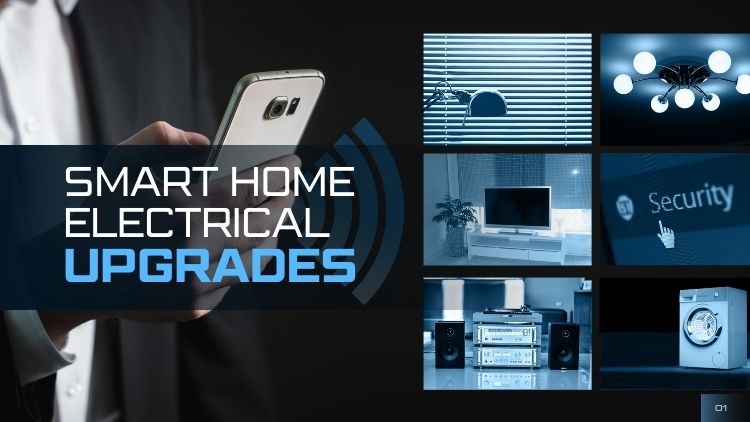
You start with one simple idea. Maybe it’s lights you can turn on from your phone. Maybe it’s a thermostat that keeps the house comfortable without constant adjusting. Before long, you’re thinking about adding smart home features in more rooms. The goal is comfort, ease, and better control over your space.
What many homeowners don’t realize is that these features need the right setup behind the walls. Smart home electrical upgrades are not just about the device you choose. They depend on how power is supplied, how systems connect, and how well everything works together.
At Handyman Connection in Calgary, we help homeowners plan these upgrades so they work properly now and continue working as needs change.
In this blog, we’ll walk through the electrical upgrades you need when installing smart home features and explain what makes these systems reliable over time.
Smart devices rely on steady power and strong connections. Without the right setup, even well-designed features can feel slow or unreliable. Many homes were built long before smart technology was common, which means the electrical system may not be ready to support today’s devices.
Planning looks at the whole home, not just one feature. Power needs to flow smoothly, wiring needs to support communication, and circuits need enough space to handle added demand. When everything is planned together, devices work better and problems are easier to avoid. Smart home electrical upgrades work best when the system is treated as one complete network, not a group of separate add-ons.
One of the first things checked when adding smart features is the electrical panel. Even though many smart devices use small amounts of power, they add up over time.
Older panels may be close to their limit or may not have space for new circuits. When there isn’t enough room, breakers can trip or power can become uneven. A panel with proper capacity allows new features to be added without stress on the system. It also makes future upgrades easier, whether that means smoother lighting control, added security features, or expanded automation later on.
Not all wiring setups support smart features the same way. Some small details can affect how well devices respond and stay connected. Electrical details that support reliable smart features include:
These details help smart features feel responsive and dependable instead of delayed or inconsistent.

Power alone isn’t enough for smart home systems. Devices also need strong communication. While Wi-Fi works for many features, it isn’t always reliable for everything.
Structured wiring, such as CAT6 cabling, provides stable connections for devices that need fast and steady communication. This type of wiring supports cameras, media systems, access points, and central hubs. It reduces lag, improves response time, and helps devices stay connected even when the network is busy. Homes with structured wiring tend to have smoother performance across all smart features.
Some smart features use more power than others. These devices work best when they aren’t sharing circuits with other equipment.
Dedicated circuits help prevent dips in power and reduce strain on the system. They allow devices to run smoothly without affecting lighting, outlets, or other features. Over time, this helps protect components and keeps systems working as intended. Planning for dedicated circuits is especially important as more features are added.
Lighting is often the first smart feature homeowners add. It improves comfort and makes daily routines easier. Electrical upgrades that support smart lighting include:
These upgrades help lighting systems feel stable, responsive, and easy to use.
Smart thermostats and climate systems rely on steady power and correct wiring. When wiring matches system needs, temperature changes happen smoothly and accurately.
A well-set system responds quickly to settings and adjusts automatically without interruption. This keeps rooms comfortable and helps systems run efficiently. Proper electrical support allows climate features to work quietly in the background instead of needing constant attention.
Security features often need reliable power and strong connections to work properly. Wireless-only setups can struggle in certain areas of the home.
Planning wiring paths for cameras, sensors, and access points helps improve reliability. Hardwired connections reduce dropped signals and improve response time. They also allow devices to be installed neatly, keeping them discreet while still effective.
As smart features are added, how power is shared becomes more important. If too many devices rely on the same circuit, performance can suffer.
Balanced circuits help devices respond quickly and work together without interference. This protects long-term performance and helps systems stay stable as more features are introduced.
You want smart home features to make life easier, not more complicated. The right electrical upgrades support that goal.
Some key benefits include:
These benefits show why electrical work for smart homes should be planned carefully.
Many homeowners add smart features during renovations or updates. This allows wiring and planning to happen efficiently.
Our professional team coordinates upgrades so they work alongside other projects. This reduces disruption and ensures systems integrate smoothly.
Even small upgrades benefit from planning. Adding support early helps avoid repeat work later.
Smart home features offer comfort and control, but only when supported by the right electrical upgrades. Our professional team ensures these systems work together and perform reliably.
By focusing on proper planning and installation, homeowners see the full benefit of their upgrades. Devices respond faster, systems last longer, and daily use feels effortless.
Smart home electrical upgrades work best when handled by our professional team. From structured wiring to panel planning, correct setup makes the difference.
If you’re considering installing smart home features and want dependable results, our professional team at Handyman Connection in Calgary is ready to help. Request an estimate to learn more about electrical work for smart homes and how we support long-term performance with care and precision.

206 2915 21 St NE
Calgary, AB T2E 7T1

© Handyman Connection 2026 | Privacy Policy

 403-735-3257