We offer a wide range of services for that fresh look, or just maintenance or updates to keep your home functioning and safe. Regardless of the size of the job, we have a craftsman that can tackle it. We offer a wide range of services for that fresh look, or just maintenance or updates to keep your home functioning and safe. Regardless of the size of the job, we have a craftsman that can tackle it.

Decks / April 20, 2026
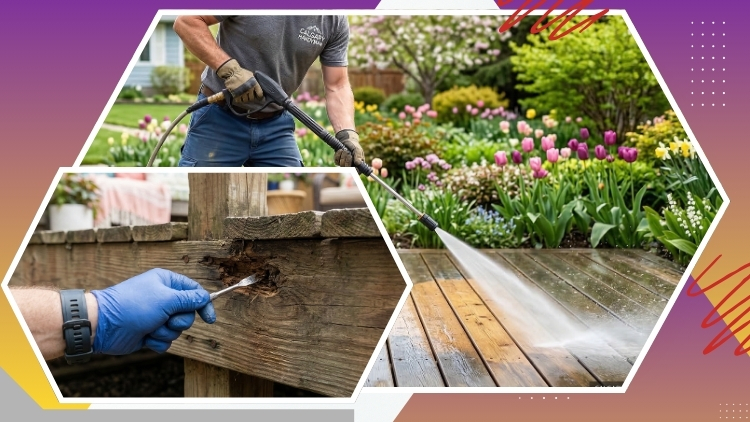
Summer entertaining season is just around the corner in Calgary—and your outdoor space deserves to be ready for it. Professional deck restoration is a multi-step process that transforms a weathered, worn structure into a safe, beautiful, and durable area built for hosting. It involves a thorough structural inspection, deep cleaning, sanding, and applying professional-grade stains and sealants to protect against summer sun, moisture, and Calgary’s unpredictable weather.
You want your backyard to be a place where guests feel welcome, not a space that raises safety concerns. Restoration done right means every board, railing, and stair is solid and secure before the first barbecue of the season. The result is an outdoor space that looks great, lasts longer, and is ready for whatever the summer brings.
At Handyman Connection in Calgary, we specialize in professional deck restoration services that are tailored to withstand Calgary’s unique climate, ensuring your outdoor space remains safe, durable, and visually stunning for years to come. In this blog, we walk you through exactly how professional deck restoration is done before summer entertaining season—step by step.
Late spring to early summer is the best time to refinish a deck. This window offers dry, mild weather that allows stains and sealants to properly cure without interference from extreme heat or rain.
In Calgary, this typically means May through June is the sweet spot. The ground has thawed, humidity is manageable, and temperatures are warm enough for materials to dry correctly. Starting restoration during this period means your outdoor space will be fully ready before the height of summer—right when you need it most. If you wait until mid-summer, high heat can cause stains to dry too quickly, which leads to uneven finishes and premature wear.
The bottom line: the sooner you get started in spring, the better the results—and the more time you have to enjoy your restored space.
Before any cleaning or staining begins, a thorough inspection is the essential first step. A professional checks every part of the structure to confirm it is safe and sound. Skipping this step can mean sealing over hidden problems that only get worse over time.
Here is what our professional inspection covers:
Any structural issues found during inspection are addressed first. This ensures the restoration work that follows is built on a solid foundation.
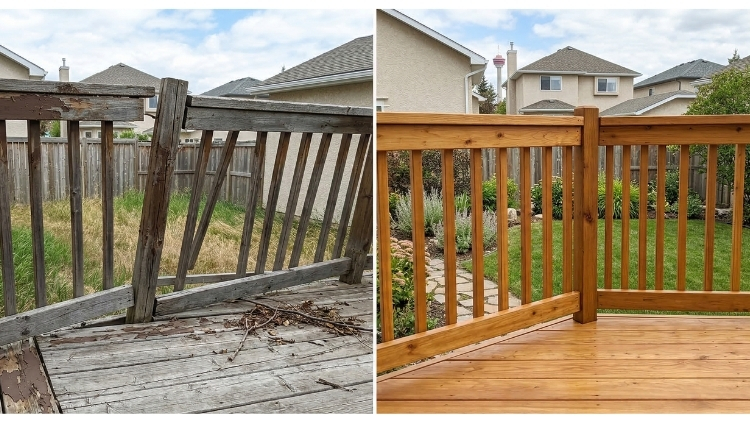
Once the structure is confirmed safe, deep cleaning removes all the grime, mildew, and debris that has built up over time. This step is critical—without proper preparation, stains and sealants will not bond correctly to the wood surface.
The professional cleaning process includes:
Our proper preparation takes patience and attention to detail. It is the step that separates a professional restoration from a quick job that fades or peels after one season.
Sanding is the step that makes the surface smooth and ready for staining. Even after pressure washing, wood fibres can rise and create a rough texture. Small splinters may also appear on boards and railings. Sanding removes these rough spots and prepares the wood for the next stage.
Our professionals usually uses sandpaper with a grit between 60 and 80. This level of grit is strong enough to smooth the wood without damaging it. The sanding process evens out the surface so the stain can soak in properly. When the surface is even, the final finish looks cleaner and more consistent.
This step is especially important on railings and stairs. These are high-contact areas where people place their hands and feet often. Rough wood in these spots can be uncomfortable and even unsafe. Proper sanding helps the finish last longer and gives the entire surface a polished look.
This is the stage where the transformation really becomes visible. After the surface has been cleaned and prepared, stain and sealant are applied to protect the wood. This step also brings out the colour and grain of the wood, making the structure look refreshed and well cared for. In Calgary’s hot summers, strong sunlight and dry air can quickly damage unprotected wood. That is why proper staining and sealing are so important.
A good stain does more than improve appearance. It protects the wood from moisture, UV rays, and everyday wear. Without this protection, wood can crack, fade, and warp over time. Professional application helps the finish last longer and look more even across the entire surface.
A few important details go into this step:
Once staining and sealing are complete, the surface is protected and ready for use. The wood looks richer, feels smoother, and can stand up to summer weather much more effectively.
The final stage focuses on comfort, safety, and atmosphere. After the structure has been repaired, cleaned, and protected, small upgrades help turn it into a welcoming outdoor space. These finishing touches make the area more enjoyable for relaxing, gathering, and entertaining. They also help ensure the space is safe for family and guests.
Many homeowners think restoration ends once the stain dries. In reality, thoughtful finishing details can make a big difference in how the space looks and functions. These upgrades help create an area that feels complete and ready for everyday use.
Here are a few finishing improvements that professionals often recommend:
These final touches complete the project. Instead of simply looking restored, the space becomes a comfortable place to relax, host friends, and enjoy the warm summer months.
Outdoor wood surfaces in Calgary face some tough weather conditions. The city often sees big temperature changes between seasons. Summers can be hot and sunny, while winters bring freezing temperatures and snow. These constant shifts can wear down wood faster than in milder climates.
Strong sunlight is another challenge. Calgary gets a lot of UV exposure during the summer months, which can fade and dry out wood surfaces. If the wood is not sealed properly, it can start to crack and lose its natural colour. Rain and melting snow can also soak into the wood and cause damage over time.
The freeze-thaw cycle makes things even harder on outdoor wood. Water can seep into small cracks and gaps, then freeze when temperatures drop. As the ice expands, it pushes the cracks wider and weakens the surface. Restoring and sealing the wood in late spring helps protect it before the busy summer season begins.
Most restorations take two to four days from start to finish, depending on the size of the structure, the extent of repairs needed, and drying time between steps. The 48-hour drying window after pressure washing is a fixed part of the process and cannot be skipped.
Most wood surfaces benefit from a professional refinish every two to three years. High-traffic areas or structures exposed to more direct sun and moisture may need attention more frequently. Regular maintenance between full restorations—like seasonal cleaning—helps extend the life of the finish.
Any structural issues are repaired before restoration work begins. This may include replacing rotted boards, fixing loose joists, or securing a compromised ledger board. Completing these repairs first ensures the finished result is both safe and long-lasting.
No. Staining requires dry conditions and moderate temperatures. Rain before the stain has cured, or extreme heat during application, will both negatively affect the result. Professionals monitor the forecast and schedule staining windows accordingly to ensure the best possible finish.
A stain adds colour to the wood while also providing a degree of protection. A sealant is a clear or lightly tinted product focused purely on protection. Many professional products combine both functions. Semi-transparent stains are a popular choice because they protect the surface while preserving the natural look of the wood.
Yes. If the existing stain is stripped completely during the preparation phase, a new colour can be applied. Your restoration professional can advise on product options and colours that suit your space and the type of wood involved.
Summer in Calgary is a wonderful time for enjoying your outdoor space with family and friends. However, the season is short, and you don’t want to miss out on precious sunny days because of delayed maintenance or repairs. By addressing your deck or patio restoration needs early, you can ensure your space is ready to handle all your summer gatherings. The steps we’ve discussed—inspection, cleaning, sanding, staining, and finishing—are designed to bring out the best in your outdoor area while ensuring it stays protected for years to come.
At Handyman Connection in Calgary, we are here to make the process simple and stress-free. Our skilled team takes care of every detail, so you can focus on what truly matters—enjoying your time outdoors. Serving Calgary and the surrounding areas, we pride ourselves on delivering high-quality results that you can count on.
Don’t wait until the weather is too nice to start thinking about your outdoor restoration needs. Contact us today to request an estimate and get started on bringing your deck or patio back to life. Together, we’ll make sure your space is ready to host all the fun, laughter, and memories summer has to offer.

206 2915 21 St NE
Calgary, AB T2E 7T1

© Handyman Connection 2026 | Privacy Policy

 403-735-3257