We offer a wide range of services for that fresh look, or just maintenance or updates to keep your home functioning and safe. Regardless of the size of the job, we have a craftsman that can tackle it. We offer a wide range of services for that fresh look, or just maintenance or updates to keep your home functioning and safe. Regardless of the size of the job, we have a craftsman that can tackle it.
Home Improvement / July 30, 2026
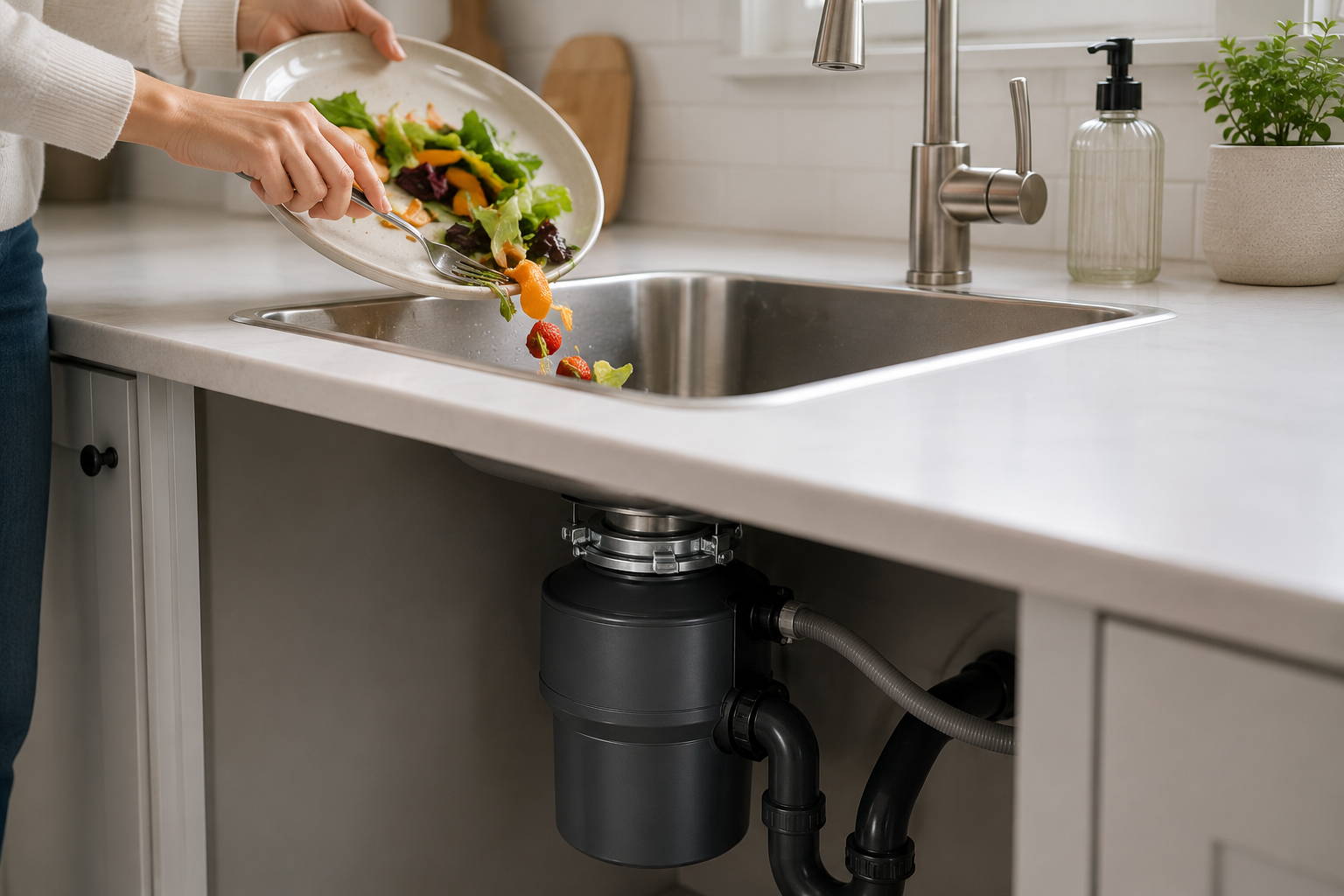
What are common mistakes homeowners make with garbage disposal care? The most frequent errors include overloading the unit with too much food, failing to run enough cold water, and putting grease or fibrous foods down the drain. These everyday habits quickly lead to bad odours, severe clogs, and broken motors. Your garbage disposal is designed to handle small, soft food scraps. It is not built to act as a primary trash can.
You rely on this appliance every single day to keep your kitchen clean and functional. When you treat it like a heavy-duty blender, it stops working properly. This causes backed-up sinks and frustrating plumbing issues. Homeowners often do not realize that simple changes in their daily routine can easily save their appliances. By knowing what to avoid, you protect your plumbing and prevent messy kitchen disasters.
At Handyman Connection in Calgary, our local experts see these exact same issues every week. We help homeowners get their kitchens back in working order safely and quickly. When your unit stops working, relying on our professionals is always the best choice to ensure a proper fix. In this blog, we will show you the exact common mistakes homeowners make with garbage disposal care so you can keep your system running perfectly.
What are the common problems with garbage disposals? The most common problems include jammed blades, clogged drain pipes, unpleasant odours, and the unit completely losing power. A jam happens when hard or fibrous items get stuck inside the grinding chamber. Clogs occur when grease or expanding foods block the pipes deep inside your walls.
You might also notice that the sink will not drain. This backing up of water is a clear sign of a blockage. Sometimes, you flip the switch and hear a buzzing sound, but nothing moves. Other times, the machine makes no sound at all. Leaks under the sink are also frequent issues caused by loose connections or broken seals. When you face these troubles, our professionals at Handyman Connection are ready to step in. We know exactly how to handle these situations without you having to worry about complex plumbing repairs.
Cramming too much food into the machine all at once is a very quick way to break it. Your disposal needs space to break down food waste properly. When you push a massive pile of scraps down the drain, the motor becomes overwhelmed and the grinding plates jam.
By feeding the unit slowly, you protect the motor from burning out. If your motor does burn out, our team can safely install a brand new unit for you.
Running the appliance without a steady flow of water is a primary cause of major blockages. Water acts as a vehicle for the food particles. Without it, the ground-up waste simply sits in the chamber or gets stuck just inside the drain pipe.
You need to turn on the cold water before you even turn on the machine. This prepares the pipes for the waste. While the machine is grinding, keep that cold water running at a good pressure. The cold temperature is important because it keeps any small bits of fat solid, allowing the grinder to chop them up and push them away.
After you hear the grinding finish, do not turn the water off right away. You should let the cold water run for another 15 to 20 seconds. This extra time flushes all the remaining tiny food particles completely out of your home’s plumbing system. If a severe clog has already formed from a lack of water, our skilled craftsmen can safely clear your pipes.
It might seem like a good idea to use hot water to clean your drain, but doing this while grinding is a huge mistake. Hot water melts fats and greases that naturally hide in your food scraps.
You can safely use hot water to wash your dishes when the machine is turned off. But when the disposal is actively running, cold water is your best friend.

Your kitchen disposal is not a garbage can. Throwing the wrong types of food down the sink is a guaranteed way to cause severe damage. Certain foods just cannot be broken down safely.
You should scrape these problem foods directly into the compost or trash. If the wrong foods have jammed your unit, you should rely on our professionals at Handyman Connection to repair it properly.
Pouring cooking grease, bacon fat, or heavy oils down your kitchen sink is one of the worst things you can do to your plumbing. Even if the grease goes down as a warm liquid, it will not stay that way. As soon as it hits the cold pipes in your walls or under the ground, it hardens into a thick, sticky sludge.
This sludge coats the sharp parts of your disposal, making it much less effective. Worse, it lines the walls of your pipes. Every time you send food waste down the drain, it sticks to that grease. Over time, this builds up until water can no longer pass through at all.
Instead of pouring oils into the sink, you should pour them into an old jar or can. Let the grease cool and harden, then throw the container in the regular trash. You can also wipe out greasy cooking pans with a paper towel before you wash them. This simple habit saves you from very messy plumbing emergencies.
Many homeowners forget that the disposal needs regular cleaning to stay fresh and functional. Skipping routine maintenance leads to awful odours and a buildup of nasty sludge inside the grinding chamber.
By giving your machine a quick clean every few weeks, you extend its life. If your disposal still smells or leaks after a basic cleaning, it is time for our team to step in and inspect the seals.
Living in Calgary brings its own specific set of challenges for your home’s plumbing and appliances. Our freezing winter temperatures can make pipe blockages much worse. When grease or thick starches build up in the pipes closest to the exterior of your home, the severe cold can cause that water to freeze and expand.
This freezing puts immense pressure on your drainage system. A simple clog from your kitchen sink can suddenly turn into a cracked or burst pipe during a typical Calgary cold snap. Additionally, older homes in our area might still have legacy plumbing systems that are not designed to handle the heavy output of modern garbage disposals.
Our local experts at Handyman Connection understand these regional challenges perfectly. We know how the local climate affects your home. We make sure any replacements or repairs meet all local building codes and are ready to handle our tough Canadian winters.
Taking care of your garbage disposal can help it last longer and prevent costly repairs. Always run cold water when using your disposal to help solidify grease and flush it out properly. Avoid putting hard items like bones or fibrous foods like celery in the disposal, as they can damage the system.
Regular cleaning is also important to keep your disposal working well. You can clean it by pouring a small amount of dish soap down the drain and letting it run with cold water. For a deeper clean, try grinding up ice cubes and a bit of lemon peel to remove buildup and improve the smell.
If your garbage disposal stops working or makes unusual noises, it’s time to call in the experts. At Handyman Connection, we can fix or replace your disposal quickly and professionally. Our team is here to make sure your plumbing and appliances work smoothly, no matter the season.
Yes, most modern garbage disposals need a GFCI-protected outlet for safety. A GFCI outlet helps protect you from electrical shocks near water and sinks. These outlets automatically shut off power if a problem is detected. Our professionals can safely install the proper outlet and make sure everything meets local electrical codes.
A humming sound usually means the motor is getting power, but something is stuck inside the unit. Hard objects like bones, utensils, or food scraps can jam the grinding parts. Continuing to run the disposal while it is jammed can damage the motor. Our team can safely remove the blockage and reset the disposal so it works properly again.
Most garbage disposals last between eight and twelve years with normal use and regular cleaning. Higher-quality models may last even longer if they are well-maintained. Older units may start leaking, jamming, or making loud noises as parts wear out over time. If your disposal constantly has problems, replacing it is often the safest and most cost-effective solution.
No, bleach is not recommended for cleaning a garbage disposal. Harsh chemicals can damage the rubber seals and metal parts inside the unit. Over time, this damage may cause leaks under your kitchen sink. Safer cleaning options include ice, baking soda, vinegar, and mild dish soap.
Garbage disposals do not use sharp blades like a blender or knife. Instead, they use blunt metal parts called impellers to break apart food waste. Ice helps clean the inside of the disposal by knocking loose stuck food and buildup. This can help reduce smells and keep the disposal working more smoothly.
Taking care of your kitchen appliances does not have to be difficult. By avoiding common mistakes, like pouring grease down the drain or using your garbage disposal improperly, you can keep your sink draining perfectly and avoid nasty odours. Regular cleaning and maintenance can also go a long way in extending the lifespan of your appliances.
However, when problems do arise, it’s important to know when to call our trusted professionals. Trying to fix complex electrical or plumbing issues on your own can be dangerous and might lead to bigger problems down the road. That’s where Handyman Connection in Calgary comes in. Our team has the skills and experience to handle all your home repair needs safely and efficiently. We make sure every new appliance or fixture is installed correctly and meets all safety standards.
You can trust us to take the stress out of your home repairs. Whether you’re dealing with a clogged sink, broken appliances, or other issues, we’re here to help. Contact us at Handyman Connection today to request an estimate and learn how we can help you protect your home while keeping your kitchen running smoothly. Your home deserves expert care, and we’re ready to provide it.

206 2915 21 St NE
Calgary, AB T2E 7T1

© Handyman Connection 2026 | Privacy Policy

 403-735-3257