We offer a wide range of services for that fresh look, or just maintenance or updates to keep your home functioning and safe. Regardless of the size of the job, we have a craftsman that can tackle it. We offer a wide range of services for that fresh look, or just maintenance or updates to keep your home functioning and safe. Regardless of the size of the job, we have a craftsman that can tackle it.

Drywall / December 25, 2025
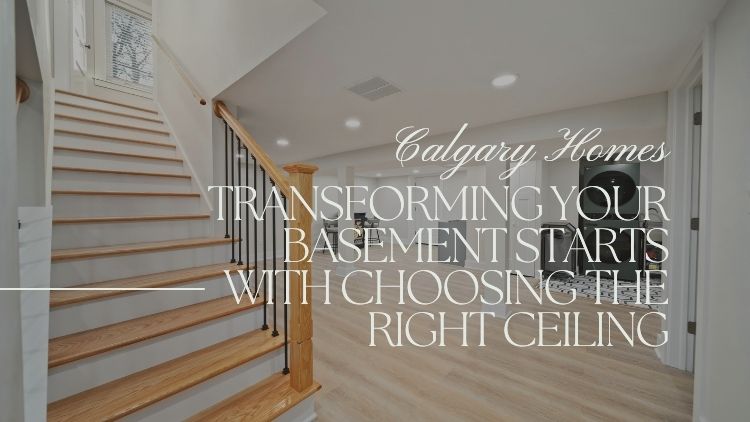
Choosing between a drop ceiling install or a drywall ceiling for your basement isn’t just about style—it’s about achieving the best combination of function, lighting, and durability for your Calgary property. Making the right decision can influence everything from daily comfort to property value. Many homeowners and business owners wonder how recessed lighting fits into these considerations and what practical steps to take when planning ceiling upgrades. At Handyman Connection, we understand the unique needs of Calgary spaces and offer expert guidance to simplify even the most complex ceiling projects.
We draw from years of experience serving local homes and businesses, helping you weigh the benefits, drawbacks, and installation details of both ceiling types—plus integration with recessed lighting for a modern, seamless look. In this guide, we’ll share real-world examples, answer your top FAQs, and outline the ways we can streamline your ceiling project for flawless results.
When tackling a basement ceiling, your first step is to decide between a drop ceiling and a traditional drywall ceiling. Each option comes with its own set of features, installation approaches, and maintenance needs.
A drop ceiling install, commonly known as a suspended ceiling, uses a lightweight metal framework to hold panels just below your actual ceiling. This style remains a popular choice for finished basements and commercial settings alike.
Key advantages of drop ceilings include:
However, a drop ceiling typically lowers the actual ceiling height by a few inches, which can impact the sense of space in a basement or low-height room. For some, this tradeoff is worthwhile for quicker access to essential utilities. Others may prefer a more seamless visual effect.
Transitioning from the basics, let’s compare drywall ceilings and how they introduce a different set of features to your basement renovation.
Drywall ceilings (sometimes referred to as gypsum board or sheetrock ceilings) are the go-to for those seeking a smooth, paint-ready appearance. This approach delivers a continuous surface that blends elegantly with any basement or main-floor room.
Benefits of drywall ceilings include:
On the flip side, a drywall ceiling makes it much more complicated to access pipes and wires once installed. Large repairs can necessitate cutting out sections and calling in professionals to restore the finish.
As you explore your basement ceiling options, consider how these ceiling types impact lighting—especially if you’re dreaming of a bright space with integrated recessed lighting.

Recessed lighting (sometimes called pot lights or can lights) is a sought-after upgrade in modern basements. It frees up space, avoids hanging fixtures, and creates a warm, inviting atmosphere for work or relaxation. The installation process and results, however, depend on the type of ceiling you select.
Adding recessed lighting to a drop ceiling is generally straightforward, provided you choose fixtures compatible with your chosen tile thickness. With the lighter weight of ceiling panels, you may need to install additional mounting brackets or supports to ensure lighting units are secure and safe.
Consider these drop ceiling lighting points:
While installation is relatively quick, always ensure the electrical setup adheres to local codes—a misstep may lead to serious safety hazards or insurance issues.
With a drywall ceiling, recessed lighting achieves a truly “built-in” effect. Our Handyman Connection experts take care to use proper insulation and fireproof housings (often required by modern codes), particularly in basements or multi-unit buildings.
Key considerations for drywall ceilings include planning light placement carefully around the ceiling joist layout, using fire-rated enclosures to protect both your lighting and ceiling investment, and measuring all cutouts precisely to avoid damaging wires or existing infrastructure. This approach is especially ideal for home media rooms and finished basements in established neighbourhoods, where quality craftsmanship and attention to detail make all the difference.
Each approach invites unique troubleshooting steps if you encounter a problem later—something we handle routinely for homeowners.
Your basement ceiling choice shapes more than just lighting. It’s about the feeling of the space, the insulation, and even the future value of your property.
A drywall ceiling creates a seamless, “classic home” look—ideal for basements converted to living rooms, bedrooms, or in-law suites.
Drop ceilings are now available in stylish designs, including panels that resemble wood or plaster, suiting both contemporary offices and entertainment zones.
Recessed lighting upgrades both ceiling types but looks especially sharp in newly finished drywall surfaces.
Drywall is denser than ceiling tile, offering better noise absorption. If your basement is near a busy street or is used as a playroom, drywall can be a smart pick.
Drop ceilings with specialty acoustic panels can match drywall performance in sound reduction and tend to hide HVAC ductwork that would otherwise stand out.
Both ceiling types benefit from proper insulation—something Handyman Connection can integrate for year-round comfort and energy efficiency.
Experience tells us that ceiling projects, especially those involving recessed lighting, come with their own challenges. Here’s what homeowners should watch for—and how we can help avoid potential headaches.
No matter your ceiling style, our drywall repair and installation service ensures every detail is checked—from layout and insulation to light installation and finishing touches. Our team is familiar with local building codes, helping your project pass inspections and deliver professional-grade results.
When planning a basement ceiling and lighting project, many homeowners have similar questions. Here are some of the most common—and our expert answers.
Recessed lighting provides a clean, modern style, making rooms look taller and more open. With drywall ceilings, lights appear built-in and flush. Drop ceilings, while offering easy fixture access, occasionally limit your options based on tile thickness and grid depth. Both choices highlight spaciousness and can transform a previously dark room into a welcoming area.
The main benefits are accessibility—removing tiles for repairs is quick—and flexible layout for wiring and plumbing. Modern tiles come in attractive patterns, but traditional drop ceilings may reduce available headroom. On the other hand, they simplify future upgrades or repairs, which can be ideal for evolving spaces like growing families or businesses.
Yes, but consider that a drywall ceiling will require more extensive demolition and framing. This may add time and cost but results in a more polished look. Switching to drop ceilings is simpler if you need frequent access to utilities.
Generally, drop ceiling install projects are faster due to the modular approach, while drywall ceilings require more steps, including mudding, taping, sanding, and painting. Recessed lighting can be added to both, with drywall ceilings taking extra planning for cutouts and insulation.
As you explore these options, it’s worth noting that professional help can prevent many project delays and extra costs.
We take pride in servicing Calgary homeowners and businesses with comprehensive ceiling solutions, from initial consultation to the final coat of paint. Our drywall installation and repair services ensure your new ceiling—whether drop or drywall—meets both your aesthetic goals and practical needs.
Working with us means:
From quick fixes near your business in the Beltline district to basement conversions in residential communities, our team is equipped for every type of ceiling and lighting project.
Bringing together quality materials, expertise, and genuine care for your space, we’re ready to help you achieve the results you want—no matter your vision for your basement ceiling.
Deciding between a drop ceiling or drywall ceiling with recessed lighting ultimately shapes the comfort, style, and functionality of your basement. By understanding each option’s impact on accessibility, noise control, insulation, and lighting flexibility, you can design a space that truly suits your needs—whether you seek easy maintenance or a seamless, modern finish.
No matter which direction you choose, trusting the project to an experienced team is the fastest route to flawless, code-compliant results. Handyman Connection’s local experts can guide you through every stage, from precise installation to finishing touches, ensuring every detail enhances your property’s value and appeal. Ready for a transformation? Contact Handyman Connection today and let us create a ceiling and lighting solution that brings your vision to life—beautifully, efficiently, and worry-free.

206 2915 21 St NE
Calgary, AB T2E 7T1

© Handyman Connection 2026 | Privacy Policy

 403-735-3257