We offer a wide range of services for that fresh look, or just maintenance or updates to keep your home functioning and safe. Regardless of the size of the job, we have a craftsman that can tackle it. We offer a wide range of services for that fresh look, or just maintenance or updates to keep your home functioning and safe. Regardless of the size of the job, we have a craftsman that can tackle it.
Decks / July 10, 2026
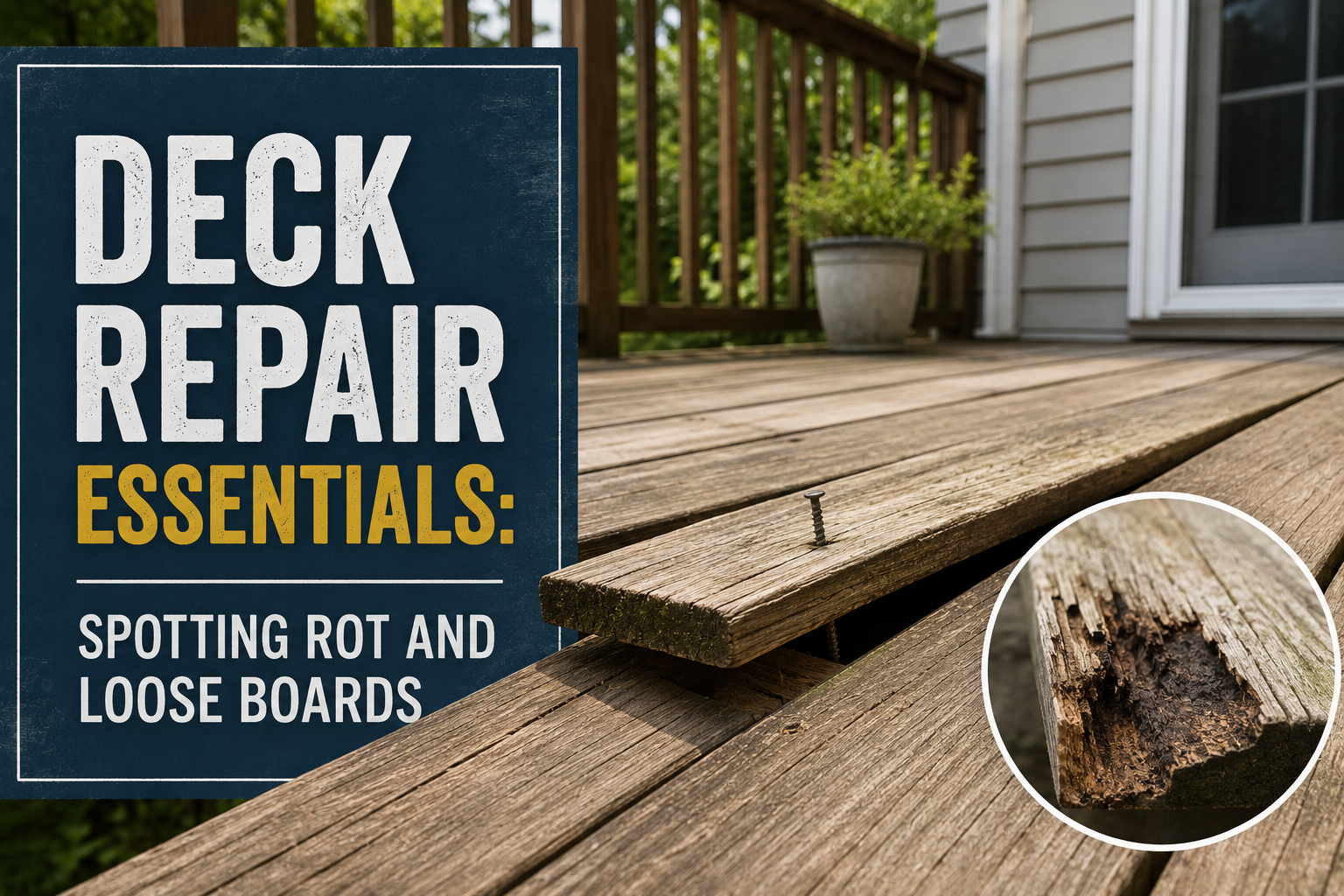
Your deck is one of the best places to relax and enjoy the beauty of your backyard. But over time, weather and wear can cause problems like rot and loose boards. Not only can these issues ruin the look of your deck, but they can also make it unsafe for your family and guests. You might notice soft or discoloured wood, weak spots when you step, or railings that shake when you lean on them. These are the warning signs you shouldn’t ignore.
You deserve to feel confident that your deck is safe and strong. That’s why spotting problems early is so important. Simple checks like looking for cracks, wobbles, or wood that feels damp to the touch can save you from costly repairs down the road. At Handyman Connection in Calgary, we help you spot these issues and handle them before they get worse. We make your deck not only look great but stay safe for years to come.
If you’re wondering what to watch for and how to fix these problems, we’ve got you covered. Keep reading to learn the deck repair essentials, how to spot rot, and how we can help you avoid breaking the bank on outdoor maintenance.
The separation of the house and the deck ledger board accounts for 90% of deck collapses. You might not notice this hidden connection point, but it bears the massive weight of your entire outdoor living area. We always check the ledger board first when inspecting a residential deck. Our experts understand that moisture often gets trapped behind this wood, causing the lag screws to rust and the wood to decay rapidly.
We secure this vulnerable area using proper flashing techniques and heavy-duty metal fasteners. Our professionals remove the old, failing hardware and replace it with weather-resistant bolts. We make sure the ledger board sits firmly against the house framing to restore complete structural integrity.
You can trust our team to identify these dangerous structural weaknesses before they cause a serious accident. We take every precaution necessary to ensure the framework remains solid. Our thorough evaluation process gives you peace of mind whenever you step outside.
You can often find the first signs of wood rot by looking for unusual colour changes on your deck surface. Moisture causes the wood fibres to break down, which leaves dark or grey patches across the planks. We carefully examine these areas to determine the exact extent of the decay. If the wood feels soft or spongy when pressed, our experts know that the internal structure is compromised.
You might notice that certain boards shift or rattle when you walk across your outdoor space. The fasteners holding these planks in place loosen over time due to weather fluctuations and regular foot traffic. We test every single board to ensure it remains securely fastened to the underlying joists. Our team will identify the exact locations where screws have backed out or failed.
You need strong deck posts and beams to keep the entire structure standing safely above the ground. These wooden supports often absorb moisture from the surrounding soil, making them highly susceptible to decay. We meticulously inspect the base of every post to catch early signs of moisture damage. Our professionals know exactly how to handle rotting support systems without compromising stability.
Inspecting the connection points between wood and concrete is crucial for ensuring the stability of the entire deck. Deep cracks running along the length of the posts are early signs of structural fatigue and potential failure. Testing the wood’s density at the base helps identify soft or weakened areas that may compromise the deck’s integrity. Replacing any failing posts requires careful bracing techniques to uphold the structure’s safety during repairs.
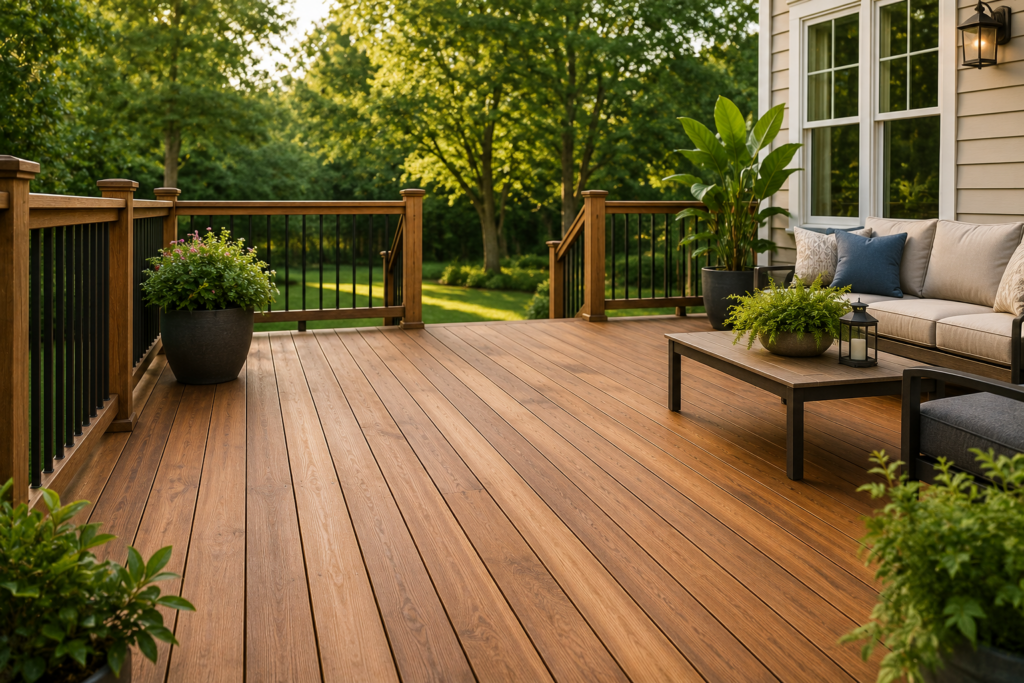
You rely on handrails and stairs to navigate your deck safely, making them critical components of your space. Handrails become loose when the lag screws holding the posts begin to rust or pull away from the frame. We apply firm pressure to the railings to ensure they do not shift or lean.
The stair treads endure heavy impact, which causes them to crack or loosen much faster than the main deck boards. We look closely at the stringers underneath the stairs to spot any hidden rot. Our team evaluates the stability of each step to prevent dangerous falls.
When we discover weakened handrails or damaged stairs, our craftsmen take immediate action to resolve the issue. We reinforce the connections with heavy-duty carriage bolts and replace any split treads with new lumber. Your safety remains our top priority during every step of the repair process.
You will find the primary support system for your deck boards located right underneath the main surface. These parallel boards, known as joists, carry the weight of everything placed on top of the deck. We crawl underneath the structure to inspect these vital pieces of framing for signs of water damage.
Water easily drips between the deck boards and sits on top of the joists, eventually leading to severe wood rot. We check the top edges of the joists to ensure the wood remains solid and capable of holding screws securely. Our professionals understand how to identify compromised joists early.
If we find rot along the joists, our team implements a comprehensive repair strategy to restore the deck’s strength. We remove the damaged materials and install fresh, treated lumber to reinforce the framework properly. This thorough approach guarantees that your deck stays firm and level.
You know that the local climate brings extreme weather conditions that take a toll on outdoor wooden structures. The harsh winters cover your deck in snow and ice, while the warm summers cause the wood to expand and contract. We understand how these severe temperature swings contribute directly to wood rot in our region.
The heavy spring runoff creates pooling water around your deck posts and foundation area. We assess the drainage around your property to ensure moisture flows away from the wooden supports safely. Our local experts recognize the specific challenges that Alberta’s dynamic weather patterns present to your home.
We use materials and building techniques specifically designed to withstand the local climate variations. Our team applies high-quality sealants and weather-resistant hardware that stand up to the freezing temperatures. We prepare your deck to endure the toughest seasons safely and beautifully.
A deck should be inspected at least once a year to help catch problems early. Spring is usually the best time because winter weather can cause damage to wood and fasteners. Look for soft spots, cracked boards, loose railings, or signs of moisture damage. Regular inspections can help prevent larger repairs and keep your deck safe to use.
Rotten deck boards should usually be replaced instead of repaired. Wood rot is caused by fungus, and it can spread quickly through damp wood. Patching the surface does not remove the damage underneath the board. Replacing the rotten wood is the safest way to protect the strength and safety of the deck.
Pressure-treated lumber is one of the most common choices for decks because it resists moisture and decay. Cedar is another popular option because it naturally fights rot and insect damage. Composite decking is also highly resistant to water and does not rot like wood. Choosing durable materials can help your deck last longer and require fewer repairs over time.
Our professionals fix wobbly railings by checking the posts, screws, and support connections. Loose screws or damaged hardware are tightened or replaced to make the railing secure again. If the wood around the railing is rotten or cracked, the damaged sections may need to be replaced. Strong railings are important because they help keep everyone safe while using the deck.
A safe and strong deck helps you enjoy your outdoor space with peace of mind. Over time, weather, moisture, and daily use can cause damage that may not be easy to spot at first. Loose boards, weak railings, and rotting wood can quickly become serious safety hazards if they are not repaired early. Taking care of these problems right away can help prevent larger repairs and protect your family and guests from accidents.
At Handyman Connection, we take pride in helping homeowners keep their decks safe, sturdy, and looking their best. Our experienced team carefully checks for signs of damage and completes repairs with quality workmanship and attention to detail. We handle the hard work so you can spend more time relaxing and enjoying your backyard.
Whether your deck needs a few small repairs or more extensive work, our team is ready to help. We believe every homeowner deserves an outdoor space that feels safe, comfortable, and welcoming. If you think your deck may need professional repairs, contact Handyman Connection in Calgary today. Request an estimate and let our trusted experts help protect your deck for many seasons to come.

206 2915 21 St NE
Calgary, AB T2E 7T1

© Handyman Connection 2026 | Privacy Policy

 403-735-3257