We offer a wide range of services for that fresh look, or just maintenance or updates to keep your home functioning and safe. Regardless of the size of the job, we have a craftsman that can tackle it. We offer a wide range of services for that fresh look, or just maintenance or updates to keep your home functioning and safe. Regardless of the size of the job, we have a craftsman that can tackle it.
Fences / April 17, 2025

When it comes to protecting your property and enhancing your outdoor spaces, picking the best fence material for privacy and durability is crucial. But with so many options on the market—wood, vinyl, metal, and composite—it can feel overwhelming to choose the right one for your needs. Each type of fencing offers something unique, whether it’s affordability, long-lasting durability, or aesthetic appeal.
For homeowners in Brantford interested in a reliable boundary for security, style, or functionality, I’ll help you break down the wood vs vinyl fence cost comparison and explore the composite vs metal fencing pros and cons, so you can make an informed decision.
A fence is more than a simple boundary—it’s an essential part of your outdoor space, providing privacy, security, and aesthetic appeal. Selecting the right material, whether wood, vinyl, metal, or composite, requires careful consideration of factors like durability, appearance, and maintenance.
Each option offers unique benefits, and it’s key to finding the one that best complements your home and lifestyle. This guide will explore these materials in greater detail to help you make an informed choice.
Wood is a time-tested option that many homeowners consider when installing a new barrier. Its classic appearance seamlessly blends into most landscapes, making it a go-to choice for those who value aesthetics. There’s also great flexibility with wood—styles range from picket fences to taller, solid boards designed for privacy.
That said, the benefits come with some trade-offs. While wood is affordable upfront, maintenance is unavoidable. To protect against weathering and rot, it must be stained, sealed, or painted every few years. Even with care, wood can begin to warp, split, or fade over time. This means that while the initial investment may seem cost-effective, long-term repair and replacement costs can add up.
Various types of wood fencing include cedar, pine, and redwood. Among these options, cedar is particularly popular due to its natural resistance to decay and pests. However, it still requires consistent upkeep to maximize its lifespan.
Wood fencing also provides excellent privacy. Solid panels prevent gaps between boards, making it a top choice for families looking to create a secluded outdoor living space. But keep in mind, wood’s aesthetic appeal fades quicker than alternative materials unless you’re diligent about maintenance.
The bottom line? If you’re looking for a customizable, natural look and don’t mind regular upkeep, wood fencing is a great option.
If maintenance isn’t your style, vinyl fencing could be exactly what you need. Known for its longevity and minimal upkeep, vinyl fences are ideal for those who want a clean, polished look without the hassle of frequent repairs. Vinyl’s smooth finish and durability make it resistant to cracking, peeling, and rotting, even in tough climates.
One standout feature of vinyl is how easy it is to clean. A quick rinse with a hose or a wipe-down with soapy water is all it takes to maintain its pristine appearance. This makes vinyl fencing perfect for homeowners who prefer low-maintenance landscaping solutions.
Cost-wise, vinyl tends to be more expensive upfront than wood. However, when you factor in its durability and the lack of ongoing maintenance, many homeowners find it to be a cost-effective choice over time.
On the downside, vinyl can be vulnerable to extreme weather. Intense heat may cause the material to warp, and strong impacts could crack it. Additionally, its very polished appearance might not appeal to those looking for a more rustic or natural vibe.
Overall, vinyl offers an excellent balance between aesthetics and practicality. For many, its low-maintenance charm justifies the higher initial investment.
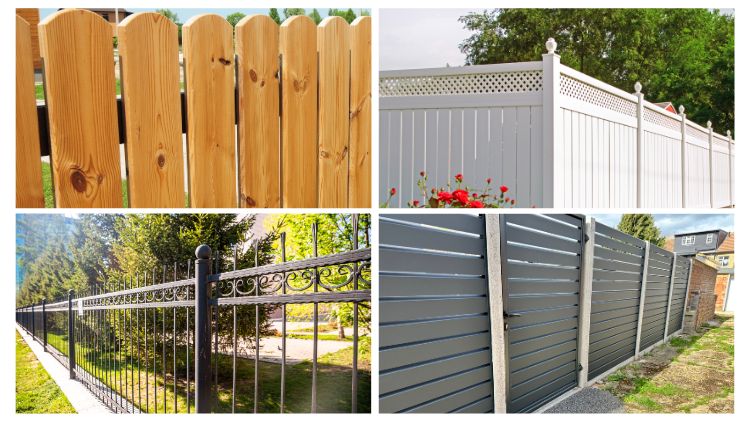
Metal fencing offers unparalleled strength and durability, making it a fantastic option for those focused on security. From wrought iron to aluminum, metal fences can create an elegant and sophisticated perimeter for your property.
Wrought iron is commonly used in decorative fencing due to its customizable designs. It’s strong enough to provide security, yet adds a unique artistic touch to any home. Aluminum, on the other hand, offers corrosion resistance, making it perfect for damp climates. Though aluminum may be lighter than wrought iron, it still holds up well and requires less maintenance overall.
One trade-off for metal fencing’s tough image is the cost. Wrought iron especially can carry a hefty price, which is something to keep in mind during your budgeting process. Additionally, while aluminum resists rust, wrought iron may require periodic maintenance and repainting to prevent corrosion.
Metal fences typically don’t offer as much privacy as wood, vinyl, or composite. Because they often use open designs, such as pickets or bars, they may not be ideal for homeowners looking for complete seclusion.
Still, for those seeking remarkable durability and enhanced curb appeal, metal fences are hard to beat.
For homeowners looking for the best of both worlds, composite fencing combines the natural look of wood with the durability of synthetic materials. Made from a blend of wood fibres and recycled plastics, composite fencing offers a sustainable alternative with long-lasting performance.
One of its standout features is resistance to environmental stress. Unlike wood, composite doesn’t rot, warp, or attract pests. This means you’ll spend less time maintaining your fence and more time enjoying your outdoor space. Composite fences are also available in a wide range of colours and textures, many of which mimic the appearance of real wood.
For privacy, composite fencing shines. Its solid panels can be tailored to block outside views and minimize noise, making it an excellent option for families hoping to create a haven in their backyard.
At Handyman Connection, I’ve recommended composite fencing to many homeowners who want a sustainable, high-performance option. It’s one of the most technologically advanced choices available today.
Choosing the best fence material for privacy and durability isn’t just important—it’s the difference between peace of mind and extra hassles down the road. At Handyman Connection, we understand that every homeowner’s needs are unique, and our team is here to help guide you to the solution that fits your lifestyle.
Considering all the options on the table, the right choice for your new border depends on your preferences, budget, and maintenance commitment. Whether you’re drawn to the timeless charm of wood, the low upkeep of vinyl, the strength of metal, or the innovation of composite fencing, we can help bring your vision to life.
Get in touch with Handyman Connection in Brantford today for expert advice and personalized service. Secure your property and enhance your outdoor space with confidence.

Brantford, ON N3R 7X3
License # 24 132140 PCTR

© Handyman Connection 2026 | Privacy Policy


 519-752-7774