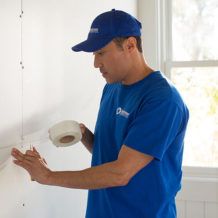
We are excited to announce that a long time Master Craftsman of our business is now the proud new owner; please join us in congratulating Earl Swader as the new owner of Handyman Connection of Blue Ash. Earl has previous business ownership already under his belt and is looking forward to continuing to serve the Blue Ash community as the proud owner.

Home Improvement / April 9, 2026

According to IBISWorld, there are almost 3.8 million construction businesses as of 2025, which is an increase of 0.9% from 2024. It’s nice to have a wide variety of options for home construction, but if you make the wrong choice, it can be disastrous.
Luckily, there are steps you can take to improve your chances so that your project goes smoothly. These are the six documents to verify before committing to a contractor.
One of the most basic things a contractor should have is a current policy for general liability insurance. This protects you financially if the contractor accidentally damages your property or a neighboring home during the project.
You should ask for a certificate of insurance and confirm that the coverage limits are appropriate for the scope of work. Typically, larger projects require higher limits. You should also contact the insurance provider directly to ensure that the policy is active and hasn’t lapsed.
Keep a copy of this document on file throughout the project and even after completion, in case issues arise later. Without it, you could be held personally responsible for the costly damages.
Workers’ compensation coverage is essential if the contractor has employees working on your property. They can first create a W2 online if necessary, then get coverage.
This insurance covers medical expenses and lost wages if a worker is injured on the job. If the contractor doesn’t have this coverage, you could potentially be liable for injuries that happen on-site. This makes it important for you to request documentation proving the contractor carries valid workers’ compensation insurance and verify it with the issuing provider.
Some contractors may claim exemption, which is common with sole proprietors. In this case, ask for written proof.
Keep all records in your project file to protect yourself from unexpected liability claims. This also ensures that everyone working on your property is properly covered.
You should always make sure that your contractor has the proper licenses required for your state or municipality. This indicates that they’ve met minimum competency standards and are authorized to perform the specific work you’ve hired them for.
Ask for the license number and verify it through your local licensing authority’s website. Pay attention to the expiration dates and any disciplinary actions or complaints associated with that license.
Again, keeping a copy of this document helps you confirm legitimacy and provides recourse if issues arise.
A detailed written scope of work and estimate is one of the most important documents to secure, and this should be done before work begins. This document should clearly outline:
This can help prevent misunderstandings, and it provides a clear reference if any disputes arise.
You should make sure that everything discussed verbally is included in writing. Also, avoid vague language.
Review the document carefully and ask questions about anything that’s unclear before signing it.
Some projects require permits, and if this applies to yours, then it’s vital that you ensure all necessary approvals and final sign-offs are properly documented. Typically, contractors are responsible for pulling permits, so you won’t have to worry about doing this yourself. But as the homeowner, you should verify that the action has actually been completed.
Request copies of issued permits, and keep records of all inspections and final approvals from local authorities. Permit sign-offs confirm that the work meets building codes and safety standards, so that should give you peace of mind. If you don’t have them, then you could face issues when selling your home or you might be required to redo non-compliant work.
Lien waivers are documents that protect you from financial disputes involving unpaid subcontractors or suppliers. Even if you pay your contractor in full, you may not be safe. Others involved in the project could place a lien on your property if they haven’t been paid, so you should request lien waivers with each payment, especially for larger projects with multiple parties involved.
There are two main types: conditional and unconditional. The former is issued before the payment clears, while the latter is issued after the payment is received.
Regardless of the type you get, keep all signed copies in your records. They will serve as proof that payments have been properly distributed and help safeguard your property from unexpected legal claims.
It’s already stressful enough going through a home improvement project, as your property will be fundamentally changed. You can make the process much easier and smoother if you think ahead and request the documents we’ve listed, as these can provide legal protection.
For more tips on home improvement, keep browsing our website.

11115 Kenwood Rd.
Blue Ash, OH 45242

© Handyman Connection 2026 | Privacy Policy

 (513) 771-3950