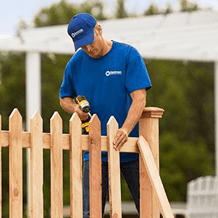
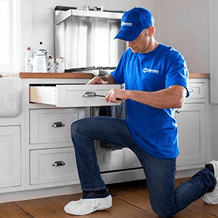
We are excited to announce that a long time Master Craftsman of our business is now the proud new owner; please join us in congratulating Earl Swader as the new owner of Handyman Connection of Blue Ash. Earl has previous business ownership already under his belt and is looking forward to continuing to serve the Blue Ash community as the proud owner.

Fencing / October 7, 2026

A pool gate that no longer clicks shut looks like a small chore. On a pool fence, it is a safety failure. Few places show the gap between those two ideas more clearly than Queensland’s Gold Coast.
Salt air, summer storms and year-round pool use wear fence hardware fast there. Owners often call a handyman first, and many tasks suit that call. Structural or compliance work goes to a specialist such as Glass Pool Fencing Gold Coast instead. Knowing where that line sits saves money and keeps children safe.
The Gold Coast sits on a long strip of surf beaches and tidal canals. Onshore breezes carry fine salt spray well inland. That salt settles on spigots, hinges and latches every day.
Location changes the pace of wear. Homes in Main Beach, Palm Beach or Coolangatta, a few blocks from the surf, collect the heaviest film. Properties around Nerang or the hinterland valleys see less salt but more leaf litter and damp shade. A sensible plan matches the cleaning schedule to the street, not to a generic rule.
Humidity then holds the salt against the metal. Lower grade stainless steel can show “tea staining,” a brown surface rust. Pool chemicals splashed from the water add another layer of wear.
Storm season brings its own stress. Summer storms on the coast can drop heavy rain in a short burst. Water pooling around spigot bases can loosen grout and trap debris.
The upside is that glass itself does not rot, warp or need staining. Unlike timber fencing, most upkeep happens at the joints and the gate. That is good news for anyone who already follows a preventative home maintenance routine.
A ten minute walk around the fence catches most problems early. Do it on the same day each month. A useful checklist looks like this:
The Royal Life Saving home pool checklist uses the same core tests. It asks owners to confirm the gate opens outward, self-closes and latches above 1.5 m.
Plenty of glass fence care is routine work. A capable handyman can usually handle these jobs:
They draw on the same skills as caring for timber and vinyl fences. The difference is that each fix must leave the barrier as compliant as it was.
Some problems change how the barrier performs. Those need a pool fencing installer, and often a fresh inspection. Call a specialist for:
A pool safety inspector is a QBCC licensed professional who checks a pool against the state standard. The Queensland Government guideline for pool safety inspectors sets out how they carry out that role. Inspectors may do minor repairs found during an inspection. They cannot take on work worth more than $3,300 without the right license and contract.
If a pool fails, the inspector issues a nonconformity notice. The owner then has three months to fix the defects and arrange a reinspection.
The Gold Coast holds a large stock of holiday rentals and investment units. Many owners live elsewhere and rely on a property manager or handyman for upkeep.
A rented property with a pool needs a current pool safety certificate. A certificate is valid for two years on a private pool and one year on a shared pool. Owners should book the monthly checks around those renewal dates.
A practical rhythm for an absentee owner looks like this:
Logging each visit on a printed checklist gives the next inspector a clear history.
It is not a good idea. Pool fence panels are toughened safety glass matched to specific spigots, and a poor fit can breach the standard.
A fresh water rinse every week or two helps on coastal Gold Coast streets. Homes further inland can usually stretch that to monthly.
Yes, if it fails to latch on its own from any open position. Fix it straight away, since the gate is the most common failure point.
Routine cleaning and lubrication do not require a pool license. Work that changes the barrier should go to a qualified pool fencing installer.

11115 Kenwood Rd.
Blue Ash, OH 45242

© Handyman Connection 2026 | Privacy Policy

 (513) 771-3950