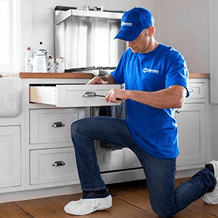
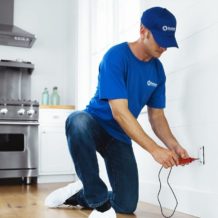
We are excited to announce that a long time Master Craftsman of our business is now the proud new owner; please join us in congratulating Earl Swader as the new owner of Handyman Connection of Blue Ash. Earl has previous business ownership already under his belt and is looking forward to continuing to serve the Blue Ash community as the proud owner.

Repairs / February 27, 2026

Moving out is often stressful, especially when your security deposit is at stake. Many renters lose money because of small, preventable issues. Cracked walls, stained carpets, and broken fixtures can lead to costly deductions. To avoid move-out deductions, preparation should begin weeks before your move. Planning early gives you time to fix problems without rushing. It also helps you decide whether to hire local handyman services or handle simple repairs yourself. Landlords expect tenants to return the property in good condition. Meeting this expectation shows responsibility and protects your finances. With the right approach, you can leave confidently and recover most, if not all, of your deposit.
Common Reasons for Move-Out Deductions
Most landlords follow clear guidelines when inspecting a property. They usually separate normal wear and tear from tenant-caused damage. Wear and tear includes faded paint or lightly worn carpet. Damage includes broken tiles, deep stains, and large holes. Common deduction reasons include:
Many renters assume small issues will be ignored. In reality, inspectors often document everything. Photos, reports, and checklists support their claims. Understanding these standards helps you plan repairs wisely. It also reduces disputes after move-out.
Create a Repair and Packing Timeline To Avoid Move-Out Deductions
A successful move-out starts with a realistic timeline. Repairs should never be left for the final days. Stress and fatigue increase mistakes. Begin by reviewing your lease and inspection rules. Then, build your plan around a whole-house packing schedule. That helps balance packing, cleaning, and repair tasks. A basic timeline may look like this:
This structure prevents last-minute panic. It also gives time to fix unexpected problems.
Walls, Paint, and Surface Fixes That Protect Your Deposit
Walls are one of the first things landlords notice. Visible damage suggests poor maintenance. Small flaws can quickly reduce your deposit. Start by removing nails and wall anchors. Fill holes with spackling compound. Let it dry fully. Sand the surface until smooth. Apply matching paint carefully.
Scuff marks can often be removed with mild soap and water. Magic erasers also work well on flat paint. Avoid harsh chemicals that strip paint. If your lease requires repainting, use approved colors only. Always keep receipts for paint and materials. Proper wall care helps you avoid move-out deductions and presents the unit as well-maintained.
Flooring and Carpet Repairs That Make a Difference
Floors affect how clean and modern a home feels. Even minor damage stands out during inspections. For carpets, start with professional steam cleaning as the Carpet and Rug Institute advises. Many leases require proof of service. Remove stains using approved cleaners. Treat odors with baking soda or enzyme solutions.
Hardwood floors need gentle care. Use furniture pads to prevent scratches. Small scuffs can be buffed with wood polish. More serious damage may require professional help. Vinyl and tile floors should be washed with non-abrasive cleaners. Replace cracked tiles if possible. Regrout loose areas for a fresh appearance. Well-maintained floors signal responsible tenancy.
Kitchen and Bathroom Repairs That Landlords Notice First
Kitchens and bathrooms receive heavy use. They also attract strict inspections due to water and hygiene concerns. Check faucets for leaks. Replace worn washers. Tighten loose handles—clear slow drains using safe solutions. Inspect cabinets and drawers. Tighten hinges. Replace missing knobs. Fix warped doors if possible.
In bathrooms, clean mold with proper cleaners. Reseal peeling caulk around tubs and sinks. Repair cracked toilet seats and loose towel bars. Clean appliances thoroughly. Remove grease from ovens. Defrost and wipe refrigerators—Polish sinks and fixtures. These efforts show attention to detail and help avoid move-out deductions.
When to Hire Professional Help
Some repairs require technical skill. Attempting them without experience may cause more damage. You should consider professional help for:
Hiring experts may cost money upfront. However, it often saves more in avoided deductions. Professionals also provide receipts and warranties. Many renters prefer to get home handyman services with peace of mind. That reduces stress and improves repair quality. It also protects you if landlords question the quality. Choose licensed providers with clear reviews and pricing.
Smart DIY Repairs and When to Stop
DIY repairs can save money when done correctly. Simple tasks like patching holes, replacing light fixtures, and tightening handles are manageable. Always follow instructions. Use proper tools. Watch verified tutorials. Work slowly and carefully. Know when to stop. If a repair becomes complicated, pause. Don’t press your luck with DIY when safety or major systems are involved.
Common DIY mistakes include:
One error can multiply repair costs. Smart renters recognize their limits.
Final Inspection Checklist Before You Hand Over the Keys
Before returning keys, perform a detailed inspection. Walk through each room with a checklist.
Take clear photos and videos. Save them with timestamps. These records protect you during disputes. Request a walkthrough with your landlord if possible. Get written confirmation of the property’s condition.
Protect Your Deposit With Smart Preparation
Recovering your full deposit is not about perfection. It is about responsibility, planning, and consistent effort. By inspecting early, following a timeline, and fixing issues carefully, you reduce financial risk. Strategic repairs, professional support, and honest documentation all matter. Learning how to avoid move-out deductions empowers you as a renter. It builds confidence and improves future rental relationships. With smart preparation, attention to detail, and informed decisions, you can move out smoothly and avoid move-out deductions without unnecessary stress.

11115 Kenwood Rd.
Blue Ash, OH 45242

© Handyman Connection 2026 | Privacy Policy

 (513) 771-3950