We offer a wide range of services for that fresh look, or just maintenance or updates to keep your home functioning and safe. Regardless of the size of the job, we have a craftsman that can tackle it. We offer a wide range of services for that fresh look, or just maintenance or updates to keep your home functioning and safe. Regardless of the size of the job, we have a craftsman that can tackle it.

Drywall / June 16, 2017
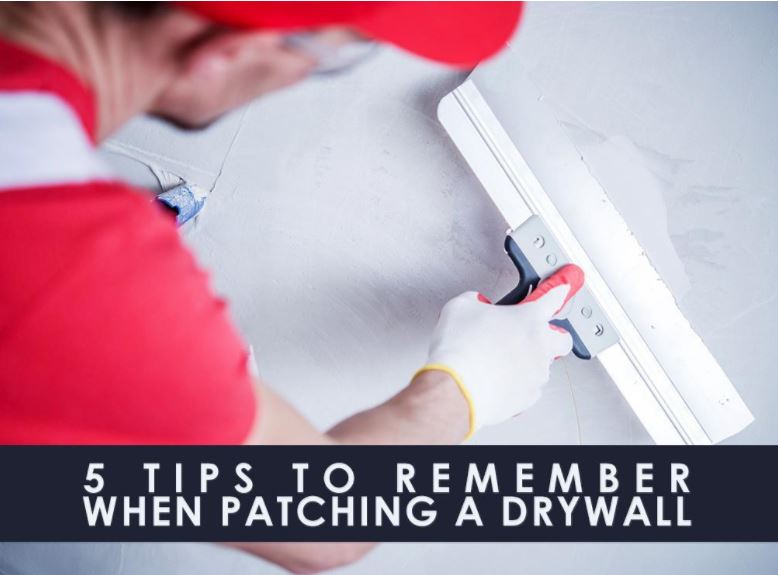
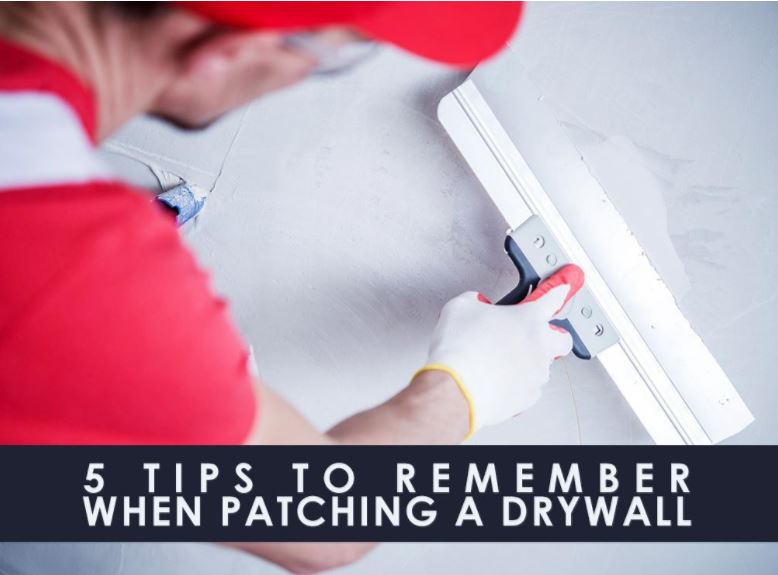
Patching a drywall is actually easy to do, but there are cases where you have to do more than just apply some putty to prep it for painting. Read on as Handyman Connection of Novi discusses five tips to remember when patching a drywall.
Traditional patches and putty often require priming with a sealing-type primer before you apply the paint since failing to do so results in the primer showing through the paint job. To hasten the process, we suggest you get a self-priming filler. You can find these in your local hardware store – just look for fillers with “self-priming” or “with primer” on the label.
Stress cracks or hairline cracks usually appear near the window or door openings and are the result of framing movement. You should only use a filler if the crack is open; otherwise, simply use a repair spray. The spray forms a flexible membrane that covers the crack. This membrane itself actually stretches and relaxes in response to the movement of the house, making it ideal for window and door areas.
When you’re patching drywall, it’s a good idea to bring a strong light source with you like a raking light. The intensity of the light accentuates defects and makes them easier to see, so you’ll have an easier time addressing patches that priority filling.
For larger patches, we suggest you use a setting compound that’s set with a chemical reaction using water. These are often available in powder form and the setting times usually range between 5 to 90 minutes. Mix this compound with water and set it on the hole; it will harden after a specific time, creating a solid and strong surface that you can paint on
If you see an area that has lots of dents and holes, we suggest you simply skim-coat the area for maximum efficiency. A 6-inch putty knife is the best tool to use for this. Simply mix a tablespoon of water into three cups of joint compound, apply it on the knife, and skim-coat the area. Scrape the coating off but leave just enough to fill in the dents and dings.
Need help patching your drywall? Fill out our form or give us a call at (248) 697-9600 for an estimate on our services.

21800 Haggerty Rd Suite 330
Northville, MI 48167

© Handyman Connection 2026 | Privacy Policy

 (248) 697-9600