Outdoors / June 7, 2022
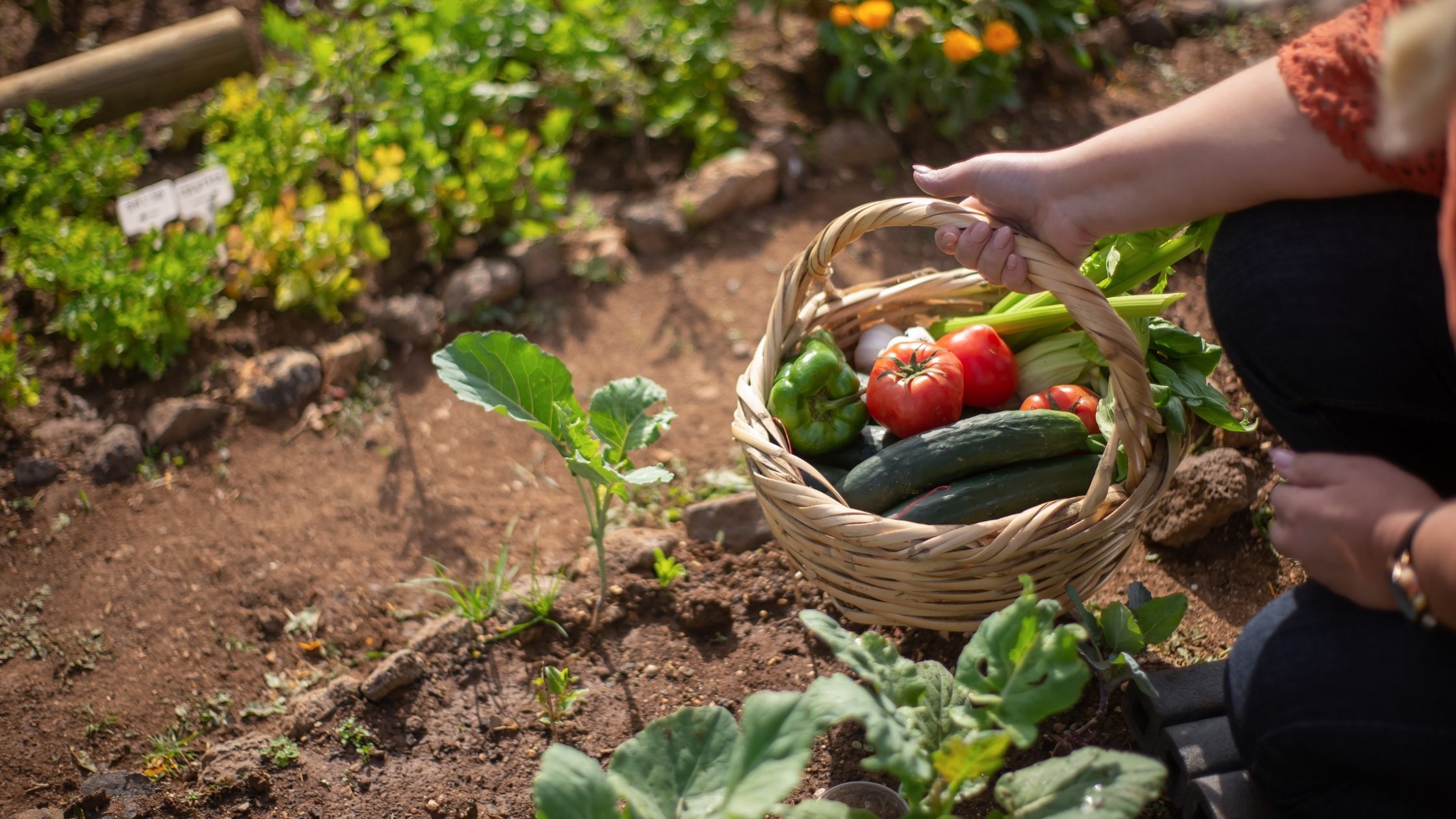
Vegetables are high in vitamins and minerals, and they also contain fiber and other nutrients. If you want to start growing vegetables at home, consider creating a vegetable garden.
To get started, you don’t need a large plot of land or a lot of money. In fact, you can start growing vegetables in containers from seeds. The key is to select the right plants and properly prepare them before planting.
You’ll discover that there’s no limit to the variety of vegetables you can grow in your own backyard. Whether you enjoy cooking with fresh produce or simply eating it raw, you’ll love having a vegetable garden.
The first step to starting a vegetable garden is choosing what kind of plants you’d like to grow. There are several factors to consider when selecting your crops:
After you’ve decided which plants to plant, you’ll need to prepare the soil. Composted manure, peat moss, or leaf mold are examples of organic matter that can be added. It is critical to incorporate this material into the soil so that it does not dry out during the summer months.
After you’ve prepared the soil, it’s time to plant the seeds. Plant seeds directly in the ground or in pots. Use a trowel to gently mix the seed mixture into the soil when sowing seeds into the ground.
If you intend to grow vegetables all year, you will need to water them on a regular basis. You can water your plants once a week in the spring and fall. If you live in a climate where the temperature stays above 80 degrees Fahrenheit all year, you may only need to water once every two weeks.
Remember to pick your vegetables early in the season. Many vegetables taste best when picked young. When they reach maturity, they lose flavor.
Growing your own vegetables is an enjoyable way to spend time outside. You’ll notice that as you harvest your crops, you’ll have much more control over what goes into your meals. Plus, you won’t have to pay exorbitant grocery prices.
Fill out a form or call (843) 287-9223 to schedule an estimate.

2154 N Center St Suite D-416
North Charleston, SC 29406

© Handyman Connection 2026 | Privacy Policy

 (843) 529-9400