We offer a wide range of services for that fresh look, or just maintenance or updates to keep your home functioning and safe. Regardless of the size of the job, we have a craftsman that can tackle it. We offer a wide range of services for that fresh look, or just maintenance or updates to keep your home functioning and safe. Regardless of the size of the job, we have a craftsman that can tackle it.

Plumbing / March 3, 2026

You picture the finished space before the work even begins. Cabinets feel more open. Counters make better sense. The room finally flows the way you want it to. Then you realize something important—your sink is not in the right place anymore.
You are not alone. Many renovation plans include moving plumbing fixtures to improve layout and function. Sink relocation during renovation is common in kitchens, bathrooms, and laundry rooms.
It can open up space, improve workflow, and make the room easier to use. But it also brings planning decisions that matter more than people expect.
You want the job done safely, cleanly, and without surprises. Plumbing changes for remodel projects require careful coordination, proper slope, and code-compliant work.
At Handyman Connection in Kitchener, we help homeowners understand what is involved before walls are opened or fixtures are moved. In this blog, you will see what professionals look at when renovation plans include moving your sink, and what you should know before work begins.
You begin by understanding that distance changes everything. Moving a sink a few feet along the same wall is much simpler than moving it across the room or to a new wall. Professionals assess how far the new location is from existing lines. This helps set realistic timelines and avoids surprises later.
You may not see it, but drainage is one of the most important parts of moving a sink. Water needs to flow away smoothly every time the sink is used. Without the right slope, clogs and slow draining become ongoing problems.
Our professionals calculate the slope carefully. Pipes must angle downward at the correct rate to allow waste to move without backing up. This is especially important during plumbing changes for remodel projects that move fixtures farther from the original location.
Vent connections also matter here. Every sink needs proper venting to balance pressure and support drainage. When sinks move, vent paths may need to change as well. Our professionals check how the new location connects to the existing vent system.
This step protects performance long after the renovation ends. Good drainage planning keeps daily use simple and stress-free.
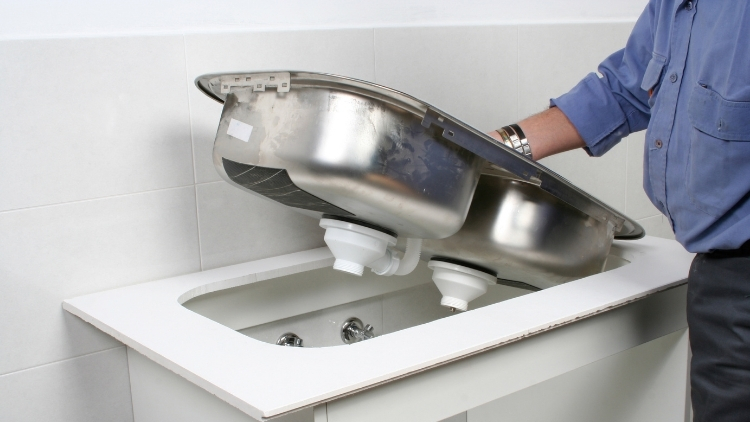
You rely on a steady water flow every day. Hot and cold supply lines must reach the new sink location without leaks or pressure loss. Our professionals plan this carefully before any work begins.
Supply lines are usually easier to move than drains, but they still require precision. Walls or floors may need to be opened to reroute lines cleanly. Our professionals secure connections properly to avoid future issues.
Moving plumbing fixtures also means planning for shutoff access. We ensure valves remain reachable after the renovation. This makes future servicing easier and safer.
Good supply planning supports comfort and reliability. When done correctly, you never notice the work—everything just works the way it should.
You want the finished space to look clean and intentional. That only happens when sink placement works with everything around it. Our professionals coordinate plumbing changes for remodel projects with cabinetry, counters, and fixtures before installation begins.
You understand that moving a sink means opening parts of the home. Walls, floors, or ceilings may need access to reach existing lines. Our professionals plan this work to keep disruption controlled.
Access points are chosen carefully. Our professionals avoid unnecessary damage and keep openings clean and contained. This makes repairs faster once the work is complete.
Relocating plumbing fixtures typically impacts multiple surfaces, which is why we incorporate patching and finishing into the overall project scope. This proactive planning ensures a seamless renovation from start to finish.
Good access planning saves time and reduces mess. It also helps the space return to normal faster once the work is done.
You want to understand costs before work begins. Sink relocation during renovation can range from simple to complex depending on many factors. Professionals help break down what is involved so budgeting stays clear.
You want work that passes inspection and protects your home. Building codes exist to ensure safety and performance. Our professionals follow these rules closely.
Local codes affect drain size, venting, and pipe placement. Moving plumbing fixtures must meet these standards to avoid future issues. Our professionals stay current with regulations. They ensure all work is compliant and ready for inspection where required.
Code-compliant work protects your home’s value. It also gives peace of mind long after the renovation is finished.
You save time when work follows the right sequence. Sink relocation during renovation must be timed carefully with other trades. Professionals plan the order so nothing needs to be redone.
You want confidence once the sink is in place. Our professionals test connections before closing walls and again after fixtures are installed.
Water flow, drainage speed, and leak checks are all confirmed. Adjustments are made before the space is finished.
Moving plumbing fixtures should improve daily use, not create new problems. Final testing ensures everything performs as intended.
This last step protects long-term comfort. You get a sink that works smoothly every day.
Moving a sink can transform a space when done right. It improves layout, flow, and how the room feels day to day. But it also requires planning, coordination, and professional execution.
If your renovation plans include moving plumbing fixtures, understanding the process helps you make confident decisions. Sink relocation during renovation works best when drainage, supply, structure, and design all work together.
At Handyman Connection in Kitchener, we help homeowners plan plumbing changes for remodel projects with clarity and care. If you are considering moving your sink, request an estimate to learn more and plan your renovation the right way.

6 Hoffman St #1
Kitchener, ON N2M 3M4
License # 24 132140 PCTR

© Handyman Connection 2026 | Privacy Policy


 519-579-9523