We offer a wide range of services for that fresh look, or just maintenance or updates to keep your home functioning and safe. Regardless of the size of the job, we have a craftsman that can tackle it. We offer a wide range of services for that fresh look, or just maintenance or updates to keep your home functioning and safe. Regardless of the size of the job, we have a craftsman that can tackle it.

Decks / August 13, 2025
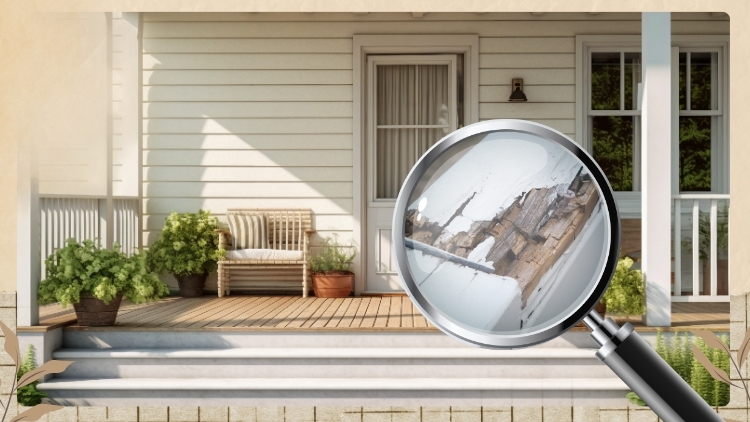
Your porch is often the first thing people see when visiting your home, and your trim adds a finishing touch to its overall look. But over time, these wooden features can start to deteriorate.
Rot can quickly turn a charming porch or elegant trim into an eyesore and even compromise your home’s structure. The real question is, how do you spot rotted wood damage before it gets worse, and what can you do to fix it?
At Handyman Connection in Kitchener, we believe in a proactive approach to maintaining your home. We’re here to share porch wood repair tips and show you how to fix wood rot without letting it damage your peace of mind. Whether it’s minor surface rotting or deeper structural issues, there are ways to bring your wood back to life.
This guide will walk you through spotting the signs of rot and repairing it effectively, so your porch and trim can look their best again.
Wood rot is typically caused by moisture. When water consistently seeps into wood, it creates the perfect conditions for fungi to grow. Over time, this fungi eats away at the wood, leading to rot. Poor drainage, blocked gutters, or even overwatering nearby plants can put your porch or trim at risk. Identifying the cause of the problem is crucial in preventing future rot, so take a moment to examine your home’s layout and water flow.

Recognizing rotted wood early can save you a lot of time and money. Here are a few ways to identify the problem:
Once you spot rotted wood damage, it’s time to take action before the rot spreads further.
Repairing wood rot is all about catching it early and choosing the right approach for the damage. Here’s how you can address it:
Inspect the area thoroughly to determine how widespread the rot is. If it’s limited to the surface, a minor repair might be sufficient. Deeper damage, however, often requires replacing the wood altogether.
Before starting repairs, ensure the wood is dry and free of dirt, debris, and flaking paint. This allows you to see the full extent of the damage and ensures repair materials adhere properly.
Use a chisel, handsaw, or Dremel tool to carefully cut out the rotted sections. Be sure to remove all the decayed wood to prevent further spread. Work slowly and check the surrounding wood for hidden rot.
For less severe cases of wood rot, fill smaller holes and cracks with wood filler or epoxy resin. These materials dry hard and can be sanded and painted to match your surface.
If the rot has spread too far, it’s best to replace the damaged piece entirely. For porches, this might involve swapping out specific boards or sections of trim. Make sure the new wood is treated and weatherproofed.
Once repairs are complete, seal the area with a wood preservative or primer before applying paint or stain. This extra layer of protection prevents moisture from creeping back in.
To ensure your repairs last, follow these additional steps tailored for long-term protection:
While these steps make wood rot repairs seem straightforward, the process can quickly become complex if the rot is extensive or hidden beneath the surface. At Handyman Connection in Kitchener, we have the expertise and tools to spot rotted wood damage and repair it safely. Professionals like us can assess the full scope of the problem, tackle it effectively, and restore your wood to its best condition. Plus, we make sure to address underlying water issues so the rot doesn’t return.
Even minor signs of rot shouldn’t be ignored. A cracked porch plank or peeling trim can snowball into more extensive (and expensive) damage if left unattended. Take a walk around your home regularly, especially during spring and fall, to check for potential trouble spots.
If you notice any of these, it’s time to bring in the pros.
Rotten wood won’t fix itself, but the right tools and a bit of help can make all the difference. Addressing the issue early protects not just your porch and trim but also your home’s structural integrity. And there’s no better time to make repairs than now.
If you’ve spotted rotted wood damage, don’t wait for the problem to get worse. Contact Handyman Connection in Kitchener today. We’re here to help you with practical porch wood repair tips and expert guidance on how to fix wood rot effectively.
Request an estimate and see how easy it can be to keep your home looking its best. Your porch (and peace of mind) deserves it!

6 Hoffman St #1
Kitchener, ON N2M 3M4
License # 24 132140 PCTR

© Handyman Connection 2026 | Privacy Policy


 519-579-9523