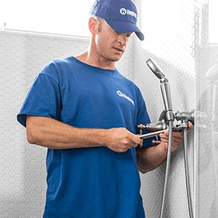
We offer a wide range of services for that fresh look, or just maintenance or updates to keep your home functioning and safe. Regardless of the size of the job, we have a craftsman that can tackle it. We offer a wide range of services for that fresh look, or just maintenance or updates to keep your home functioning and safe. Regardless of the size of the job, we have a craftsman that can tackle it.

Maintenance / July 1, 2026

Small problems at home rarely stay small. A slow drip under the sink becomes a flooded cabinet. A furnace that runs a little longer than usual turns into a full breakdown in February. These aren’t just inconveniences; they’re expensive surprises that predictive maintenance can help you avoid.
Predictive maintenance is the practice of monitoring your home’s key systems on a regular basis to catch early warning signs before they turn into major failures. The goal is simple: fix small issues now, so you’re not paying for big repairs later. A burst pipe can cost over $7,000 to repair. An HVAC failure in the middle of summer can run $10,000 or more. Routine inspections and early-action strategies can stop these costs before they start.
At Handyman Connection in Kitchener, we specialize in providing reliable maintenance and repair solutions to help you stay ahead of costly home system failures. This post breaks down exactly how predictive maintenance can save you thousands, covering everything from your HVAC system to your roof, plumbing, and more.
Before getting into the specifics, it helps to know how predictive maintenance fits into the bigger picture. There are four main maintenance strategies homeowners and our professionals use:
For most homeowners, predictive maintenance hits the sweet spot. It’s proactive without being over-scheduled, and it’s based on what’s actually happening in your home, not just a calendar date.
Your heating and cooling system works harder than most people realize. It runs through extreme temperature changes, filters dust and debris, and keeps your home comfortable year-round. That constant use creates wear, and wear leads to failure if it goes unnoticed.
Predictive maintenance for HVAC focuses on catching early signs that something is off. Unusual sounds, longer run times, and inconsistent temperatures are all early warning signs. Smart thermostats and connected sensors can track these changes in real time, flagging issues before they become emergencies.
Common HVAC warning signs that shouldn’t be ignored:
When our team at Handyman Connection inspects your HVAC system, we look at filters, airflow, connections, and overall system performance. Catching a worn belt or a dirty coil early can extend the life of your unit by years and save you from a costly mid-winter replacement.
A damaged roof rarely announces itself. Water finds its way in quietly, working its way through insulation and into your walls before you ever see a stain on the ceiling. By that point, you’re not just dealing with a roofing issue; you’re dealing with water damage, potential mould, and compromised structural integrity.
Routine roof inspections are one of the most valuable things a homeowner can do. Our professionals look for cracked or missing shingles, damaged flashing, clogged gutters, and areas where water may be pooling. These are the early warning signs that, if caught quickly, can be addressed with minor repairs.
Here in Kitchener, seasonal weather takes a real toll on roofs. Freeze-thaw cycles in the spring, ice damming in the winter, and heavy rains through the fall can all accelerate wear. Regular inspections twice a year, especially in the fall and spring, give homeowners the best chance of catching damage before it spreads.
Our craftsmen at Handyman Connection are trained to identify the kinds of small issues that turn into big ones. A small flashing repair handled early can prevent thousands of dollars in water damage repairs down the road.

Water is one of the most damaging forces inside a home. A slow leak behind a wall may not show visible signs for months, but it creates the perfect conditions for mould growth, wood rot, and structural deterioration. By the time the damage becomes visible, the cost to repair it has already multiplied.
Predictive maintenance for plumbing means keeping a close eye on water pressure, checking under sinks and around appliances regularly, and being aware of any changes in how your water behaves. Early-warning moisture detectors placed near water heaters, washing machines, and under bathroom vanities can alert you to leaks as soon as they start.
Signs that a plumbing inspection is overdue:
Our professional plumbing inspections go beyond what’s visible. Our team checks connections, supply lines, and areas around fixtures that are commonly overlooked. Addressing a minor leak early typically costs a fraction of the water damage restoration it would otherwise cause.
Technology has made it easier than ever to monitor your home between our professional inspections. Smart sensors can track temperature changes, detect moisture, measure carbon monoxide levels, and monitor electrical loads, all in real time and from your phone.
These devices work best as part of a broader predictive maintenance plan. They’re not a substitute for our professional inspections, but they fill in the gaps. A moisture sensor under your sink catches a drip the moment it starts. A smart thermostat flags when your furnace is running longer than it should. An electrical monitor alerts you to unusual power draws that could signal a failing appliance or a wiring issue.
When our professionals at Handyman Connection conduct a home maintenance assessment, we can identify which systems would benefit most from sensor-based monitoring and help you put a plan in place. The goal is always to give homeowners the clearest possible picture of what’s happening in their home, so nothing gets missed.
Electrical issues are one of the leading causes of house fires. Most of the time, the signs are there long before a fire or failure occurs, such as flickering lights, tripped breakers, outlets that feel warm to the touch, or a faint burning smell near a panel. These are not minor quirks. They’re your home’s way of signalling that something needs attention.
Predictive maintenance for electrical systems involves routine checks of your panel, outlets, wiring, and any fixtures that show signs of wear. Older homes, in particular, may have wiring that hasn’t been updated in decades, making our regular professional assessments especially important.
Catching an overloaded circuit or a failing breaker early doesn’t just save money. It keeps your family safe. Electrical repairs handled proactively are far less disruptive and far less expensive than the damage caused by a fault left unaddressed.
Kitchener homeowners face a specific set of seasonal challenges that make predictive maintenance even more important. Cold winters put stress on pipes, heating systems, and exterior cladding. Spring thaws reveal whatever damage has built up over the previous months. Hot, humid summers are hard on air conditioning units and can accelerate moisture issues in basements and crawl spaces.
Building a seasonal maintenance schedule around these patterns is one of the smartest things a homeowner can do. Spring is the time to assess roofing, clean gutters, and check exterior caulking. Fall is the time to service your furnace, inspect the fireplace, and winterize outdoor plumbing. Summer and winter are opportunities to check HVAC performance when it’s under the most demand.
Our team at Handyman Connection in Kitchener understands the local climate and how it affects homes in this region. We help homeowners build maintenance plans that are timed to the season and tailored to the specific needs of their property.

A full inspection twice a year is a good baseline for most homes, once in the spring and once in the fall. Older homes or homes with known issues may benefit from more frequent checks.
Preventive maintenance follows a fixed schedule regardless of condition. Predictive maintenance is based on monitoring actual system performance and acting when early warning signs appear. Predictive maintenance tends to be more cost-effective because it responds to what’s actually happening.
Some monitoring, like watching your energy bills or listening for unusual sounds, is absolutely something homeowners should do. However, most meaningful inspections require a trained professional who knows what to look for and where to look. A missed sign can be just as costly as no inspection at all.
The savings vary depending on the system and the issue caught, but the difference between a proactive repair and an emergency one is often thousands of dollars. Preventing a single major failure, a burst pipe or a full HVAC replacement, can easily offset the cost of years of regular inspections.
No. Every home benefits from routine monitoring, regardless of age. Newer homes have systems that still wear over time. Building a maintenance habit early is the best way to protect your investment long-term.
Taking care of your home doesn’t have to be stressful or expensive. With predictive maintenance, you can avoid unexpected repairs that could cost you thousands. By spotting small issues before they grow into big problems, you save money, keep your home systems running longer, and avoid the worry of sudden emergencies. At Handyman Connection in Kitchener, we’re here to help you stay ahead. Our team of skilled craftsmen doesn’t just provide quick fixes; they create reliable maintenance plans tailored to your home’s needs.
When you put a maintenance plan in place, you’re making a smart choice for your home and your peace of mind. Instead of reacting to problems, you’ll know your home is being looked after year-round. Our team takes the time to carefully examine every part of your house, giving you an honest and clear idea of what needs attention.
Don’t wait for costly surprises. Request an estimate today and start protecting your home with a plan that works. With our team, you’ll have the confidence of knowing your home is ready for whatever comes next.

6 Hoffman St #1
Kitchener, ON N2M 3M4
License # 24 132140 PCTR

© Handyman Connection 2026 | Privacy Policy


 519-579-9523