When home repairs start piling up, it’s easy to feel overwhelmed. From small fixes to larger improvement projects, having a trusted professional makes all the difference. At Handyman Connection, our skilled craftsmen are here to handle everything from drywall repairs and painting to shelving installation and general home maintenance—so you can focus on what matters most.
Working with licensed, bonded, and insured professionals ensures your home is in capable hands. Our team takes pride in delivering high-quality workmanship, clear communication, and reliable service on every project. Whether you need help tackling a to-do list or completing a more detailed renovation, we provide solutions that are efficient, safe, and built to last.
Ready to get started? Skip the stress of DIY and let the experts take care of it. Request an estimate today and discover how easy it can be to bring your home projects to life with professional support you can trust.
📞 Speak With a Craftsman Now: 952-243-2906

Home Improvement / August 30, 2019
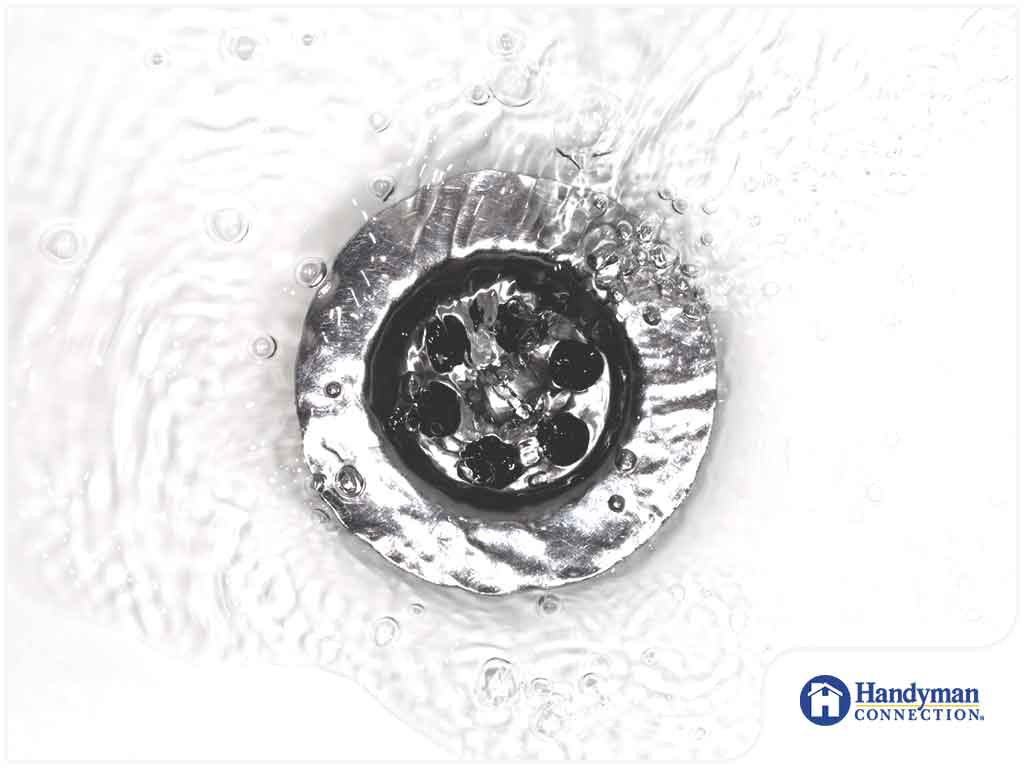
It’s common to have a lot of excess grease and oil after cooking. Some people like to dump this oil down the drain without giving it a second thought. Unfortunately, this can cause problems. In today’s post, Handyman Connection® of Eden Prairie explains why you should never dump cooking oil down your drain and gives tips to help you properly dispose of cooking oil.
——————————————– CONTINUE READING ——————————————–
Pouring cooking oil down the drain can wreak havoc on your drainage system and even cause problems with your area’s sewer system. Here’s what happens. When you pour oil down the drain, it makes its way through your pipes and into the sewer. It then joins with your areas’ wastewater.
This wastewater has a lot of chemicals in it. When the fatty acids in the oil bond with calcium, they create a waxy, soapy compound. This compound forms into fatty blobs that grow and grow over time. This fatty compound can also form in your pipes if you keep on pouring oil into the drain. This can eventually damage the pipes and cause it to clog.
The best way to dispose of cooking oil and grease is to pour them into a sealable container that you can then throw away. The plastic bottles that many cooking oils are packaged in are a good choice. You can also use coffee cans, large glass jars or even old plastic milk cartons. In some areas, you can also recycle the oil. You can take the bottled oil to a recycling center where it will be converted into biofuels.
Now that you know how to properly dispose of cooking oil, you won’t experience the problems we’ve discussed above. Handyman Connection of Eden Prairie is your go-to resource for all of your home improvement needs. We’re known for delivering first-class craftsmanship and superior customer service. Call us at (952) 777-4875 to learn more about our services and products, or to ask for an estimate.

10740 Lyndale Ave S Ste 13E, Bloomington, MN 55420
Bloomington, MN 55420

© Handyman Connection 2026 | Privacy Policy

 (952) 563-8484