We offer a wide range of services for that fresh look, or just maintenance or updates to keep your home functioning and safe. Regardless of the size of the job, we have a craftsman that can tackle it. We offer a wide range of services for that fresh look, or just maintenance or updates to keep your home functioning and safe. Regardless of the size of the job, we have a craftsman that can tackle it.

Decks / April 6, 2026
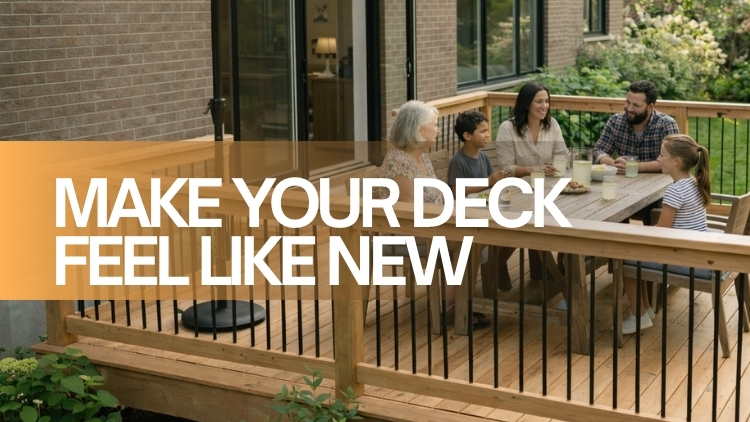
Your deck is looking rough. Maybe the posts shift every spring, or the wood feels soft when you press on it. Perhaps the railings wobble a bit more than they used to. If any of this sounds familiar, you’re probably wondering how to make your deck feel new again.
The answer? Replace your railings with code-compliant guards. This upgrade transforms an old, unsafe deck into a fresh outdoor space that meets current building codes and looks great. New railings give your deck an instant facelift while keeping everyone safe.
Railings take the most beating from weather, people leaning on them, and general wear and tear. They’re often the first thing to show age on a deck. When you replace them with modern, code-compliant materials, you solve safety issues and modernise your outdoor space at the same time. The best part? You can often keep your existing deck structure if it’s still sound, making this a smart and affordable upgrade.
In this blog, we’ll walk through how railing replacement works, what makes guards code-compliant in Ontario, and the modern material options that can make your deck look brand new. We’ll also share tips from our team at Handyman Connection in Brantford to help you understand the process from start to finish.
Yes, railings are required by code in most cases. If your deck sits more than 600 mm (about 24 inches) above the ground, you must have guardrails. This isn’t optional—it’s the law in Ontario.
The height requirements are specific. For decks less than 1.8 metres (about 6 feet) off the ground, guardrails must be at least 900 mm (36 inches) tall. If your deck is higher than 1.8 metres, you need guardrails that are 1,070 mm (42 inches) tall.
These rules exist to prevent falls and keep people safe. Children, pets, and adults all benefit from proper guardrails. Even if your deck is older and doesn’t meet current codes, you’ll need to bring it up to standard if you’re doing major renovations or adding new railings.
Choosing the right material makes a huge difference in how your deck looks and how much work it needs over time. Today’s options go way beyond basic wood.
You can choose from composite, aluminum, glass, and other modern materials that last longer and need less upkeep. Some materials resist rot, fading, and rust better than others. When you pick the right one for your home and lifestyle, you save time, money, and future repairs.
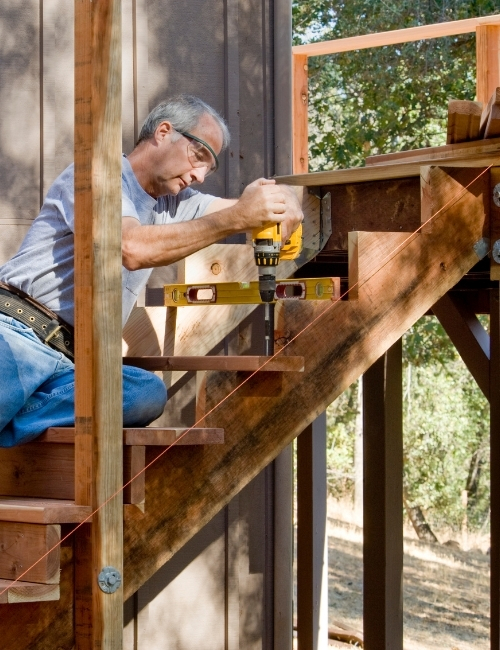
Getting your railings right means following specific rules. These requirements aren’t suggestions—they’re safety standards that protect everyone using your deck.
Height is measured from the deck surface to the top of the rail. If your railings are shorter than required, they need to be replaced.
The gap between vertical balusters (pickets) can’t be wider than 100 mm (4 inches). This prevents children from slipping through or getting their heads stuck.
This rule applies to all types of railings, whether wood, metal, or composite. For cable railings, the cables must also follow this spacing rule.
The space between the deck surface and the bottom rail must not exceed 100 mm (4 inches). This prevents small children or pets from slipping under the railing.
Your railings must be strong enough to handle force. They need to withstand a concentrated load of at least 200 pounds applied horizontally at the top rail. This ensures the railing won’t fail if someone falls against it or multiple people lean on it.
Proper attachment to the deck structure is crucial. Railings attached only to deck boards won’t meet code—they must connect to the underlying joists or posts.
If your deck has more than two risers (steps), you need handrails. These must be between 865 mm and 965 mm (34-38 inches) high, measured from the stair nosing. Handrails give people something secure to grip when going up or down stairs.
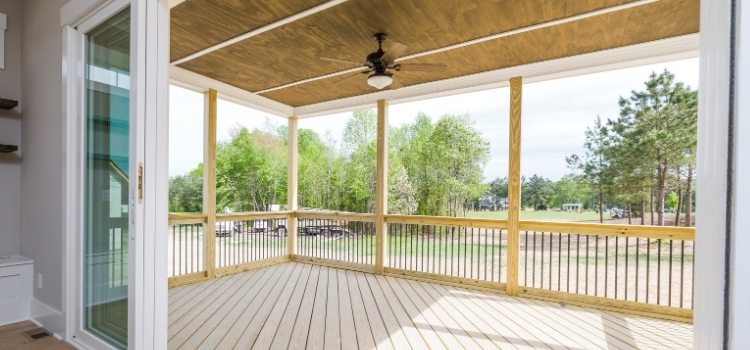
Most homeowners don’t realize how many small details can affect the final look and safety of a railing. From choosing the right material to making sure everything is measured and installed properly, each step matters. When you understand what to expect ahead of time, the whole project feels smoother and less stressful.
We’ve replaced hundreds of railings in the Brantford area. Here’s what we’ve learned about making the process easier and getting better results.
When planning your deck project, it is important to think about local conditions. Weather can affect how long your deck lasts. In areas with heavy rain or snow, moisture can cause damage over time. Choosing the right materials for your climate helps your deck stay strong and safe.
Local style and building rules also matter. Your deck should match the look of homes in your area, whether that means a modern design, rustic wood, or coastal finishes. You also need to follow local building codes, which may include height limits, railing rules, or permit requirements. Working with a contractor who understands local bylaws can prevent delays and costly mistakes.
Seasonal challenges and common regional issues should not be ignored. Cold winters can affect deck foundations if footings are not deep enough. In dry or hot areas, wood may crack or warp without proper sealing. Some regions deal with salt air corrosion, while others face tight urban spaces that require smart design. Planning for these local factors helps create a deck that is durable and built to last.
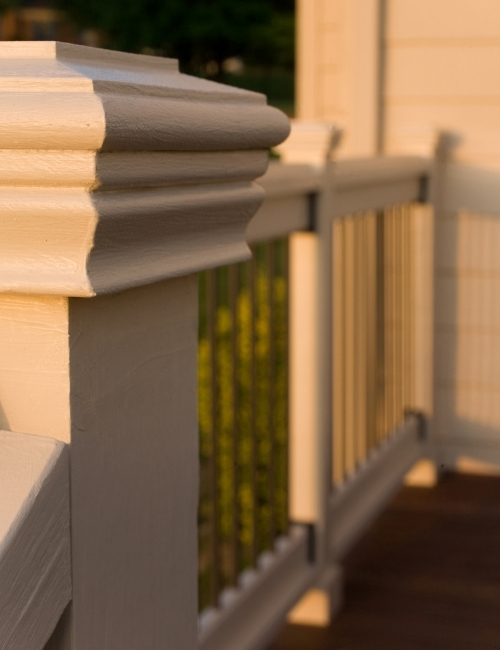
Most railing replacements take 1-3 days, depending on the deck size and complexity. A simple rectangular deck with straight runs goes faster than a deck with multiple levels, angles, or custom features. Weather can also affect the timeline. We need dry conditions for proper installation and any sealing or finishing work.
You can replace damaged sections, but matching old and new materials can be tricky. Older wood will have weathered differently than new wood, and discontinued products may not be available. For the best look and performance, we usually recommend replacing all railings at once. This ensures consistent appearance, proper code compliance, and eliminates the need for future patchwork repairs.
In most cases, yes. Ontario building codes require permits for railing replacement on elevated decks. Contact your local building department to confirm what’s needed in your area. Getting the proper permit protects you. It ensures inspections verify your work meets code, which matters for insurance and future home sales.
Aluminium and composite railings offer the longest lifespans with the least maintenance. Both can last 20+ years without major repairs. Glass is also very durable but requires more frequent cleaning to look its best. Pressure-treated wood can last 10-15 years with proper annual maintenance. Without regular care, it may need replacement sooner.
Costs vary based on material choice, deck size, and complexity. Pressure-treated wood is the most affordable option. Composite and aluminium cost more upfront but save on maintenance over time. Glass is typically the most expensive. The best approach is to get a detailed estimate based on your specific deck and material preferences. We provide transparent pricing and help you understand the long-term value of different options.
Yes, updated railings improve your home’s curb appeal and safety, which buyers notice. A well-maintained deck with modern, code-compliant railings is a selling point. It shows buyers the outdoor space is safe and ready to enjoy without immediate repairs.
Replacing your deck railings brings immediate improvements in safety, appearance, and enjoyment. Modern materials offer better durability and less maintenance than old wood railings, while code-compliant designs protect your family and guests.
The process involves more than just swapping old rails for new ones. Proper installation requires knowledge of building codes, structural requirements, and material-specific techniques. That’s where professional help makes a difference.
At Handyman Connection in Brantford, we specialise in deck upgrades that meet current Ontario building codes. Our craftsmen handle everything from initial assessment to final inspection, ensuring your new railings are installed correctly and built to last. We work with all modern railing materials and help you choose options that fit your style and budget.
Ready to make your deck feel new again? Request an estimate from Handyman Connection in Brantford today. We’ll evaluate your current deck, discuss your material options, and provide a clear plan for upgrading your railings to meet code and exceed your expectations.

Brantford, ON N3R 7X3
License # 24 132140 PCTR

© Handyman Connection 2026 | Privacy Policy


 519-752-7774