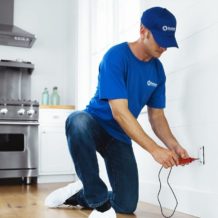
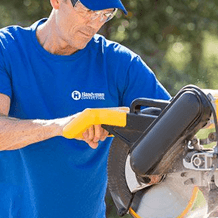
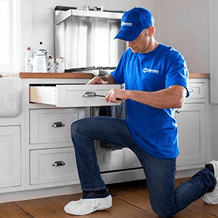
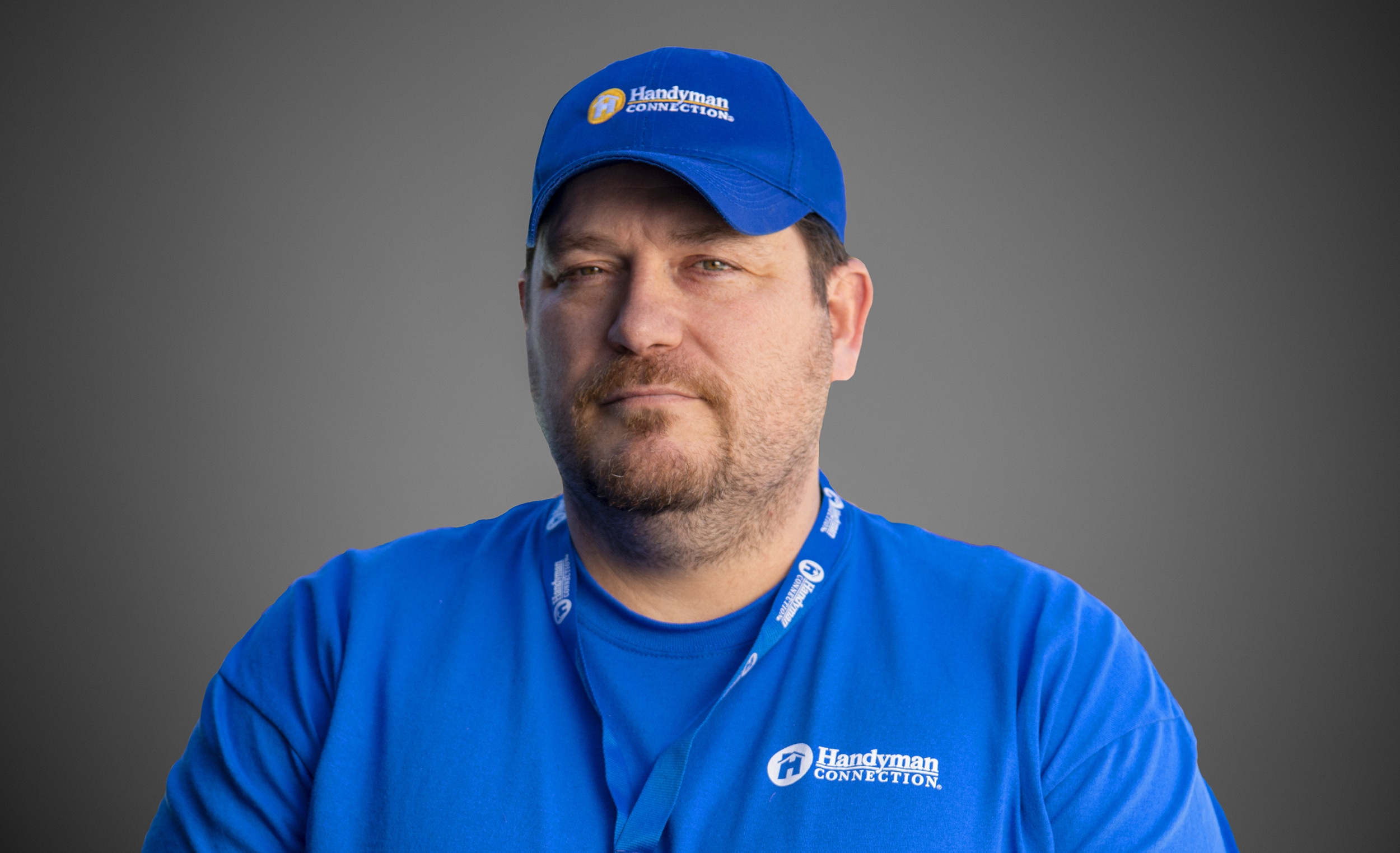
We are excited to announce that a long time Master Craftsman of our business is now the proud new owner; please join us in congratulating Earl Swader as the new owner of Handyman Connection of Blue Ash. Earl has previous business ownership already under his belt and is looking forward to continuing to serve the Blue Ash community as the proud owner.
Maintenance / April 27, 2026

Property maintenance often sounds like a large-scale job, but in practice it usually starts with small repairs. A dripping faucet, a loose handrail, a drafty door or a cracked tile may not feel urgent at first. Left alone, though, these small issues can create higher costs, safety problems and avoidable damage.
For homeowners, landlords and property managers, the goal is the same: catch problems early, fix what matters and keep the property safe, functional and comfortable.
Most maintenance problems do not appear out of nowhere. They usually start as small warning signs that are easy to postpone. A slow leak becomes cabinet damage. A loose railing becomes a safety risk. A sticking door may point to humidity, settling or hardware that needs attention.
That is why preventive home care works best when small issues are handled before they become larger projects. Handyman Connection makes a similar point in its guide to fixing small problems before they escalate, with examples such as drafty doors, dripping faucets, loose handrails and squeaky floors.
Not every repair carries the same level of urgency. Some issues affect comfort, while others can quickly touch safety, water damage or long-term property value.
For a single home, maintenance may feel like a running to-do list. For landlords, rental owners or anyone responsible for multiple properties, it becomes something more structured. Repairs need to be tracked, recurring tasks need schedules and urgent issues need clear follow-up.
That is where the idea of property maintenance becomes broader than fixing whatever breaks next. It includes routine upkeep, preventive work and corrective repairs, all organized so the property stays safe, usable and in good condition over time.
Good maintenance does not begin with major renovations. It begins with noticing small signals and acting before they turn into bigger problems. Whether someone owns one home or manages several properties, that habit is what keeps repair work manageable.
11115 Kenwood Rd.
Blue Ash, OH 45242

© Handyman Connection 2026 | Privacy Policy

 (513) 771-3950