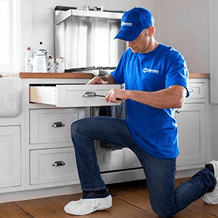
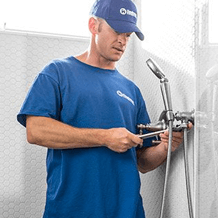
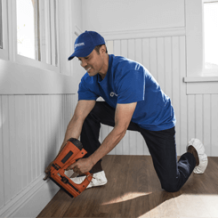
We are excited to announce that a long time Master Craftsman of our business is now the proud new owner; please join us in congratulating Earl Swader as the new owner of Handyman Connection of Blue Ash. Earl has previous business ownership already under his belt and is looking forward to continuing to serve the Blue Ash community as the proud owner.

Maintenance / August 28, 2025

Hard water is a common issue across many households, and its effects often go unnoticed until appliances begin to lose their performance. The mineral deposits left behind, often referred to as limescale, slowly build up inside machines that rely on water. Kettles, washing machines, dishwashers, and boilers can all suffer from reduced functionality when limescale accumulates. This mineral layer not only damages equipment but also affects the efficiency of everyday tasks, increasing running costs and reducing product lifespan. Understanding the risks created by limescale helps homeowners protect their investments and maintain smooth operations across the household.
When limescale gathers on heating elements, it creates a barrier between the element and the water. This barrier forces the appliance to work harder to reach the desired temperature. Over time, energy usage increases and heating times lengthen, raising utility bills without delivering better performance. The more the buildup spreads, the less effective the appliance becomes. Homeowners often search for effective solutions to remove limescale once they notice kettles taking longer to boil or boilers using more fuel to heat water. Preventing this mineral layer from forming keeps heating elements clean and responsive, allowing them to operate at their intended efficiency. A consistent approach to limescale control not only saves money but also preserves the original energy rating of the appliance.
Pipes and water fixtures provide a prime location for limescale to form quietly over time, often without any immediate signs. As mineral deposits accumulate along the interior walls of pipes, the passage through which water flows becomes increasingly restricted. This narrowing reduces water pressure and forces pumps to work harder, which can strain both domestic plumbing and connected appliances. Showerheads, taps, and faucets may experience uneven flow or even partial blockages, resulting in an inconsistent water supply. Over extended periods, limescale can corrode metal pipes and weaken joints, increasing the likelihood of leaks or cracks that require costly repairs. Even small accumulations can create rough surfaces that trap further debris and bacteria, contributing to hygiene concerns.
Regular maintenance and attention to these areas prevent minor deposits from developing into hardened, difficult-to-remove crusts. By keeping pipes and fixtures free from limescale, households can maintain optimal water flow, protect plumbing infrastructure, and reduce the need for emergency repairs, ultimately prolonging the life of the entire system.
Household appliances are designed to function for many years, but limescale can shorten that timeline. The abrasive deposits wear down delicate parts like rubber seals, filters, and gaskets. Washing machines and dishwashers face constant exposure, making them especially vulnerable to repeated mineral buildup. Over time, the machinery has to work harder, and parts that should last a decade may fail much sooner.
Replacement costs for large appliances can place a significant strain on a household budget. Protecting them from limescale not only delays replacement but also reduces the frequency of repairs. Manufacturers often recommend regular maintenance to avoid limescale damage, and households that follow these practices typically see longer appliance lifespans.
When limescale forms inside washing machines and dishwashers, it can significantly affect the quality of cleaning. The mineral deposits reduce the effectiveness of soaps and detergents, making it harder for them to dissolve fully. This often leaves residues on clothing, glassware, and dishes, which appear as white streaks, spots, or rough textures. Over time, fabrics washed in hard water may feel stiffer, lose their brightness, or develop wear patterns more quickly, while dishes and utensils can lose their shine and require extra polishing to look clean. Limescale can also accumulate in smaller components like spray arms, filters, and detergent dispensers, reducing water circulation and leading to uneven cleaning results.
These issues can be frustrating for daily chores, as multiple washes or extra cleaning steps become necessary to achieve satisfactory results. Regular limescale removal maintains the efficiency of cleaning cycles, protects delicate fabrics and surfaces, and reduces the need for harsh chemicals, allowing appliances to deliver the performance expected by users every day..
The financial burden of limescale extends beyond utility bills and repairs. Hard water can cause owners to spend more on cleaning products, detergents, and descaling solutions. When clothes wear out faster or dishes develop marks that require polishing, replacements add to the expense. Larger costs emerge when boilers, water heaters, or dishwashers fail before their expected lifespan, forcing early investment in new equipment. This cycle of additional spending accumulates slowly but steadily.
By addressing limescale at an early stage, homeowners reduce the likelihood of facing these hidden costs. Preventive care ensures that appliances deliver their full value without draining resources through constant upkeep.
Addressing limescale is not only about solving immediate problems but also about maintaining stability and reliability within the household. Appliances that are free from mineral buildup operate more efficiently, reducing the likelihood of unexpected breakdowns and costly repairs. This reliability extends to consistent water pressure, steady heating, and smooth performance in daily routines, which can otherwise be disrupted by blockages or worn components. Small appliances like kettles and coffee machines maintain faster heating times, while larger systems such as boilers or dishwashers retain their designed capacity and efficiency.
Regular maintenance and limescale prevention also reduce stress and frustration for homeowners, allowing them to trust that their appliances will perform as intended. Over time, this proactive approach preserves the lifespan of expensive equipment, minimizes interruptions, and contributes to a smoother, more predictable household environment. Ultimately, households that take steps against limescale enjoy the confidence of knowing their appliances are protected and operating at their best, making day-to-day life more convenient and manageable.
Limescale might appear harmless at first, but the long-term effects can be damaging for both appliances and budgets. Heating systems lose efficiency, pipes clog, seals deteriorate, and the quality of cleaning tasks declines. Costs climb through wasted energy, repairs, and replacements, creating a burden that could have been avoided with preventive care. By staying proactive, homeowners protect the performance of their appliances, safeguard their investments, and maintain a more reliable household environment. Addressing limescale early allows families to keep their homes running smoothly, saving both time and money over the years.

11115 Kenwood Rd.
Blue Ash, OH 45242

© Handyman Connection 2026 | Privacy Policy

 (513) 771-3950