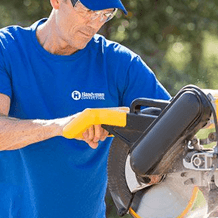
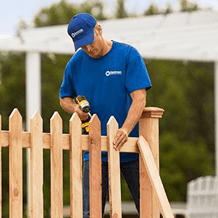
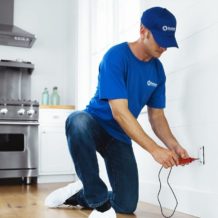
We are excited to announce that a long time Master Craftsman of our business is now the proud new owner; please join us in congratulating Earl Swader as the new owner of Handyman Connection of Blue Ash. Earl has previous business ownership already under his belt and is looking forward to continuing to serve the Blue Ash community as the proud owner.

Home Maintenance / May 16, 2026

You turn on your AC expecting steady, cool air. Instead, airflow feels weak, and your home is not getting any cooler.
When you take a closer look, you may notice ice forming on the unit or refrigerant lines. In many cases, that buildup is tied to a frozen evaporator coil, one of the most common issues homeowners and small businesses face during peak cooling season in the Bay Area. Left unaddressed, a frozen evaporator coil can reduce efficiency, strain your system, and lead to more expensive repairs.
If this sounds familiar, getting help from a trusted provider for air conditioner repair in San Jose can stop the issue before it turns into a bigger repair.
This article explains why AC systems freeze up and what you can do to prevent the issue and keep your system running properly.
Your air conditioner removes heat from indoor air using the evaporator coil. This process depends on steady airflow and proper refrigerant levels. When something disrupts that balance, the coil becomes too cold, and moisture in the air freezes on contact.
Ice buildup restricts airflow even further, which forces your system to work harder while delivering less cooling. Over time, this can increase energy use and put strain on key components.
If your system has already frozen once, it is worth acting early.
Ready to get your AC back on track? Book a professional AC inspection in San Jose to identify the cause and prevent the problem from coming back.
Most freezing issues come down to airflow restrictions or system imbalance.
Airflow keeps your system operating at the right temperature. When it is limited, the coil can freeze.
Common causes include:
These AC air flow problems are one of the most common reasons systems freeze.
Refrigerant absorbs and transfers heat. When levels drop, pressure changes can cause freezing. According to the U.S. Department of Energy, low refrigerant often indicates a leak that should be handled by a licensed technician
Dust buildsup on the coil, reducing its ability to absorb heat. This can cause temperatures to drop and lead to ice forming.
The Environmental Protection Agency notes that regular HVAC maintenance improves efficiency and indoor air quality
Clogged drain lines or thermostat problems can interfere with system cycles and contribute to freezing conditions.
You can often catch the issue early by watching for warning signs like:
If you notice these signs, turn off your system and allow it to thaw before restarting it.
If your AC is frozen, avoid actions that can make the problem worse:
Letting the system thaw naturally is the safest first step.
Some fixes are simple, such as replacing a dirty filter. Others require expert support.
Call a technician if:
Experienced providers like IRBIS HVAC understand how to diagnose ac airflow problems and restore system performance safely.
A technician focuses on solving the root cause rather than just removing ice.
Typical steps include:
If you want a long-term solution rather than a temporary fix, professional air conditioner repair technicians can address airflow restrictions and system issues in one visit. These steps help fully fix frozen air conditioner problems and reduce the risk of repeat failures.
A frozen AC unit is usually caused by restricted airflow, low refrigerant, or poor maintenance. Catching the issue early can prevent damage, reduce energy costs, and keep your home comfortable.
Homes and small businesses in the Bay Area often deal with aging systems and ongoing AC airflow problems. Explore HVAC solutions designed specifically for San Jose properties to improve efficiency and long-term reliability.
Have you dealt with a frozen AC before? Share your experience or questions and join the discussion.

11115 Kenwood Rd.
Blue Ash, OH 45242

© Handyman Connection 2026 | Privacy Policy

 (513) 771-3950