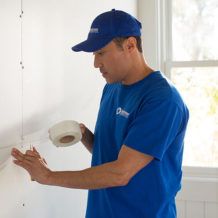
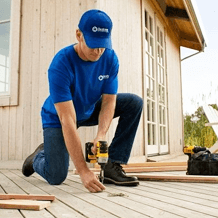
We are excited to announce that a long time Master Craftsman of our business is now the proud new owner; please join us in congratulating Earl Swader as the new owner of Handyman Connection of Blue Ash. Earl has previous business ownership already under his belt and is looking forward to continuing to serve the Blue Ash community as the proud owner.

Flooring / October 15, 2025

A floor access hatch offers safe, hidden entry to utilities, wiring, or plumbing beneath commercial flooring. It’s more efficient for maintenance and safer for the workplace. But most importantly, it allows for flexible design in high-traffic or service-heavy areas.
For builders, architects, and facility managers, it’s a simple solution to a complex problem: getting to the systems without disrupting business as usual. Whether you’re building a retail space, hospital, or warehouse, a floor access hatch is an important feature that keeps modern commercial buildings functional and clean-looking.
What Is a Floor Access Hatch?
A floor access hatch, sometimes called a commercial floor access door, is a built-in opening that lets you reach mechanical, plumbing, or electrical systems hidden beneath a building’s floor.
It’s designed to blend seamlessly with surrounding materials, staying out of sight until needed. Some even have recessed floor hatch designs, allowing installers to add tile, concrete, or carpet inlays to match the flooring.
These hatches come in different materials—steel for durability and strength, or aluminum for a lightweight, corrosion-resistant use. They’re built to handle daily foot traffic and, depending on the model, can even support heavy loads like equipment or carts.
Installing this access solution makes routine work safer and more efficient, whether it’s a maintenance tunnel, a crawl space, or underfloor wiring. Technicians don’t even have to consider tearing up sections of the floor to reach utilities. Simply lift the panel and get to work.
It’s a useful feature that saves time and suits busy commercial environments that can’t afford delays.
Why Commercial Buildings Need Floor Access Hatches
Downtime is expensive in commercial buildings. When maintenance crews can’t reach the systems beneath the floor, small issues can quickly worsen and cause delays. A floor access hatch solves this by giving quick, code-compliant access to hidden utilities without tearing up or damaging the floor.
Here are five reasons every commercial space needs to have one:
By combining accessibility, durability, and design, these access doors and panels make maintenance easier and buildings safer and more efficient to manage.
Common Applications in Commercial Buildings
Most people won’t notice a floor access hatch until they need to use it. It’s used in many commercial settings where utilities run beneath the floor and easy access is necessary.
From sleek corporate offices to heavy-duty warehouses, these hatches quietly support the systems that keep buildings running.
Here are some of the most common uses:
A utility access panel ensures that important systems stay safe, accessible, and protected in any of these places without interfering with daily business.
Choosing the Right Floor Access Hatch
Not every floor access hatch is built the same, and choosing the right one depends on how and where it’ll be used. Each commercial space has different requirements—some need hatches that handle heavy loads, while others prioritize design and finish. Knowing what to look for helps ensure your installation performs well and lasts for years.
Consider the following factors:
How Floor Access Hatches Support Long-Term Maintenance and Performance
Over time, floor access hatches are worth the money because they make maintenance easier, which in turn helps buildings last longer.
With easy access, teams can check, fix, or replace systems under the floor without having to tear down walls or wait for the work to be done. That alone saves hours of work and helps keep expensive flooring materials from getting damaged.
These hatches also make things safer by keeping access points closed when they’re not in use, lessening the risk of trips and other accidents at work. For facility managers, that means a safer environment and easier compliance with maintenance and safety standards.
In the long run, commercial floor access doors make it easier to perform routine servicing, protect utility systems from damage, and keep spaces clean and functional. They also have a big impact on overall building maintenance access and operational efficiency.
Conclusion
Although a floor access hatch isn’t the first thing that comes to mind when planning the flooring, it is as important as other building features.
It allows easy access to wiring, plumbing, and mechanical systems without disrupting the space above, keeping commercial buildings efficient and organized. Over time, that means fewer delays, safer maintenance routines, and a cleaner, more polished environment.
A well-chosen commercial floor access door helps every space, from offices to warehouses, find the right balance between style and function.

11115 Kenwood Rd.
Blue Ash, OH 45242

© Handyman Connection 2026 | Privacy Policy

 (513) 771-3950