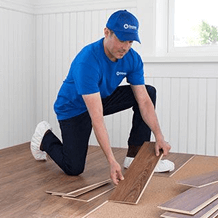
We are excited to announce that a long time Master Craftsman of our business is now the proud new owner; please join us in congratulating Earl Swader as the new owner of Handyman Connection of Blue Ash. Earl has previous business ownership already under his belt and is looking forward to continuing to serve the Blue Ash community as the proud owner.

Flooring / December 10, 2025

Contractors see the same pattern in many homes. Floors look tired, gaps widen, and finish wears in traffic lanes. Owners want a durable upgrade that suits the home and daily routines. The right hardwood choice makes the work go smoother and the results last longer.
Species and construction shape that outcome more than people expect. Hickory, oak, and maple behave differently under foot and during installation. Budget and maintenance plans also affect the decision. Many shoppers start by comparing options through Really Cheap Floors’ full Hickory selection for real prices, widths, and finishes, then refine from there.
Species sets the tone for durability and style. Hickory offers standout hardness with bold grain and color shifts. Oak gives balanced hardness, familiar grain, and wide finish availability. Maple shows a tighter grain and a lighter, modern look that takes stain differently.
Look beyond names and study how grain affects the room. Plainsawn boards show cathedral patterns that feel lively and warm. Quartersawn boards read straighter, move less across the width, and favor quiet lines. Rift boards look even cleaner, which helps in minimalist spaces and open plans.
Durability also shows up in hardness scores. Hickory sits higher than oak or maple on the Janka scale. For a neutral benchmark and test methods, review the USDA Forest Service material on wood hardness and species data, which helps set realistic expectations for wear over time. The technical overview gives helpful context for foot traffic and finish choices, and it avoids marketing noise.
Construction drives stability and installation methods. Solid boards are milled from one piece and can be sanded more times. They suit crawl spaces and basements with proper moisture control, but they still need steady humidity through the seasons. In very dry or very humid regions, movement can show at board edges.
Engineered boards use a hardwood face over stable cross-plies. This build reduces seasonal width change and opens up glue-down or floating installs. Many installers choose engineered hickory over radiant heat because of that stability. Confirm the product’s thickness, wear layer, and core species before you plan the schedule.
Width ranges change both look and labor. Wider boards reduce seams and speed the install on open floors. Narrow boards control movement and fit well in hallways or small rooms. Match board width to room size, subfloor flatness, and your preferred layout.
Finish chemistry affects scratch visibility, repair paths, and sheen. Factory prefinished floors arrive with cured coatings that speed the project and improve abrasion resistance. Site-finished floors allow custom stain blends and tight seams, but they add sanding and dry time to the calendar. Both paths can look great with clean prep and careful timing.
Sheen changes maintenance needs more than many owners realize. Extra gloss highlights specks of dust and fine lines from daily traffic. Satin and matte hide wear better while keeping grain detail clear. In busy households with pets or kids, lower sheen levels tend to stay presentable between cleanings.
Color also shapes upkeep. Dark stains can show dust and light pet hair. Very light stains can show dark scuffs. Mid-tone browns often balance both sides. If you like hickory’s natural color play, a clear matte finish preserves contrast and keeps rooms brighter.
Moisture is not a guess. It needs measurement before any board touches the room. Use a moisture meter to confirm the subfloor and the flooring sit within the maker’s allowed range. Record those readings, since they protect both warranty and schedule decisions. Bring flooring inside early so it can acclimate to the installation space.
Subfloor flatness drives the final look and feel. High spots cause rocking and nail squeaks that frustrate owners later. Low spots telegraph as hollow areas on glue-downs and floating builds. Plan time for sanding or patching, and verify with a long straightedge in several directions.
Movement planning finishes the prep. Leave correct expansion space at walls and transitions. Add T-moldings in long runs or multi-room paths, since different exposures can move at different rates. If the home uses radiant heat, follow the manufacturer’s temperature and humidity limits during and after the install.
Product grade shapes both price and pattern. Clear and select grades limit knots and color change for a calm surface. Character grades allow knots, mineral streaks, and color swing that create a rustic feel. Hickory looks especially lively in character grades because its heartwood and sapwood contrast sharply.
Decide how much variation helps or hurts the plan. A calm foyer may suit a select grade that frames other design features. A family room might welcome character knots that hide day-to-day dings. Order a few extra boxes when you want to curate patterns more tightly and keep the best boards for focal areas.
Defects and milling tolerance still matter. Check tongue fit, end matching, and board straightness as you stage the project. Set aside boards that fight the layout. Small choices during staging save time, reduce waste, and help the finish line arrive on schedule.
Installation method depends on construction, subfloor, and site rules. Nail-down is common for solid on wood subfloors and adds a traditional feel under foot. Glue-down suits engineered products and concrete slabs where height is tight. Floating systems help across mixed subfloors and speed work in occupied homes.
Fastener selection affects squeaks and hold strength. Use the nail pattern and length the maker specifies. For glue-downs, check trowel size and spread rate, and keep a close eye on temperature. Place boxes in the room by lot number and length to keep color and pattern blended during the workday.
Owners often ask how to support a smooth install. Share a simple checklist before the start date. It keeps expectations aligned and reduces surprises for everyone.
Healthy floors start with certified materials and thoughtful cleaning. Factory finishes reduce on-site solvents, which helps during occupied projects. If you choose site finish, ventilate rooms and follow label dry times. For background on indoor air quality and volatile organic compounds, the Environmental Protection Agency provides clear homeowner guidance and tips that apply across floor types.
Daily care is simple and steady. Use entry mats, felt pads under furniture, and a soft dust mop. Clean spills quickly with a slightly damp cloth and a neutral hardwood cleaner. Avoid steam, harsh scrub pads, or over-wet mops that drive moisture into seams.
Seasonal care keeps movement within expected limits. Hold indoor humidity in a moderate range and watch readings during long heat or cool cycles. Small actions here help boards stay flat, seams stay tight, and finish wear look even.
Hardwood success comes from matching species, construction, and finish to the home and routines. Start with a clear view of the room, the subfloor, and the maintenance plan. Use hickory, oak, or maple in ways that play to their strengths, and confirm details before the first board is opened. Compare pricing, widths, and finishes through Really Cheap Floors’ full Hickory selection, then finalize a package that looks right and installs cleanly.

11115 Kenwood Rd.
Blue Ash, OH 45242

© Handyman Connection 2026 | Privacy Policy

 (513) 771-3950