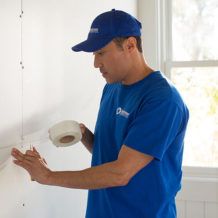
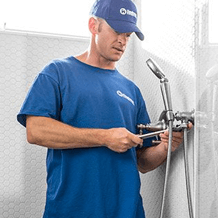
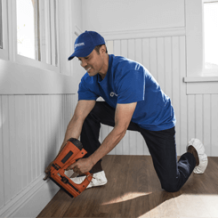
We are excited to announce that a long time Master Craftsman of our business is now the proud new owner; please join us in congratulating Earl Swader as the new owner of Handyman Connection of Blue Ash. Earl has previous business ownership already under his belt and is looking forward to continuing to serve the Blue Ash community as the proud owner.

Outdoors / May 20, 2026

“How did it end up sitting there this long?”
That question sneaks up on people. One missed repair turns into months of avoidance, dust gathering on the windshield while weeds creep near the tires.
S&P data shows that the average vehicle age in the U.S. hit 12.6 years in 2024, the highest ever recorded. People are holding onto cars longer, even the ones they barely drive anymore.
And somewhere between “I’ll fix it next month” and “maybe later,” a parked car slowly becomes part of the scenery. If yours has been sitting outside for months, there are a few realistic ways forward — and a couple of emotional ones too.
An unused car doesn’t seem urgent at first.
It’s parked. Silent. Technically still yours.
But after a few months, little problems begin piling up around it like loose change you forget is disappearing. Tires soften into the pavement. Rust creeps underneath. Insurance payments continue draining your account while the car contributes absolutely nothing in return.
And somehow, the vehicle starts affecting daily life too.
One couple I knew had an old Nissan Pathfinder parked crooked beside their garage for almost a year after the engine failed. Every morning became a little obstacle course — moving one vehicle just to leave for work. Small irritation. Daily repetition.
Somehow, that combination wears people down quicker than major disasters do.
Cars are designed to move.
AAA has warned that long-term inactivity can shorten battery life and damage tires, seals, and brake components. Heat dries rubber faster. Humidity encourages rust. Cold weather thickens fluids and further weakens batteries.
Then there’s the smell.
Open the door after six months, and you’ll probably notice stale air mixed with dust, maybe a hint of mildew. That trapped-car smell feels oddly depressing. Hard to explain.
Still, this part gets overlooked.
A dead or unused vehicle changes the atmosphere around a home. Guests notice it immediately. Neighbors start asking polite-but-curious questions. Some HOAs eventually send warning letters that aren’t comfortable to read.
And every time you walk past the car carrying groceries or dragging trash bins to the curb, it’s sitting there like unfinished business.
Most people delay this decision longer than they should. Not laziness exactly. More like uncertainty mixed with attachment.
Still, once a vehicle has been sitting for months, you usually have a few realistic paths forward. Some cost money. Some save it. A couple might even bring relief you didn’t expect.
So, here’s where things usually go next.
Some parked vehicles only need basic work.
A fresh battery. New fluids. Tire replacement.
Guessing usually gets expensive.
A proper inspection tells you whether the car has minor issues or deep mechanical trouble hiding underneath. Mechanics often find things owners miss entirely — corroded fuel lines, seized brake calipers, rodent nests behind engine covers.
So, before assuming the car is dead, get it inspected properly.
This is often the point when many owners realize the vehicle is no longer worth keeping.
One repair leads to another. A dead battery turns into brake issues, and brake problems uncover fuel system or electrical failures. Before long, the total repair estimate can exceed the remaining value of the vehicle itself.
That’s when many drivers begin looking into services that offer same-day vehicle pickup, especially in places like Houston, where heat, humidity, and long periods of outdoor storage can accelerate wear on unused vehicles.
For cars that no longer run — or simply are not worth repairing — having towing, title paperwork, and pickup logistics handled quickly can remove a significant amount of stress. Many owners also find that removing an unused vehicle immediately frees up driveway space and eliminates ongoing maintenance concerns tied to aging cars.
This option gets overlooked more than it should.
Some charities accept vehicles in rough condition and arrange towing themselves. Public radio organizations, veterans groups, and housing nonprofits often run donation programs nationwide.
You may qualify for a tax deduction, too, depending on the vehicle and organization involved.
Still, people often choose this route for emotional reasons more than financial ones. The car becomes useful again instead of slowly sinking into the driveway concrete.
Sometimes the decision feels complicated.
Maybe the car belonged to a parent. Maybe you plan to restore it eventually. Maybe you just need time. Fair enough.
But if the vehicle matters to you, protect it properly:
Otherwise, months quietly turn into years before you realize it.
Some people enjoy this process. Most don’t.
Selling parts individually can bring in more money than selling the whole car outright, especially if valuable components still work. Wheels, catalytic converters, engines, and even factory radios can hold surprising value.
But it takes effort. Messages from strangers. Weekend meetups. Random people asking weirdly specific questions at 8 a.m.
Chaos with socket wrenches, basically.
Eventually, the car leaves.
Sold. Repaired. Donated. Towed away before sunrise while the neighborhood’s still quiet. And afterward, the driveway looks bigger than you remembered.
Cleaner too.
Funny how one silent machine can occupy so much physical space — and mental space — without moving an inch.

11115 Kenwood Rd.
Blue Ash, OH 45242

© Handyman Connection 2026 | Privacy Policy

 (513) 771-3950