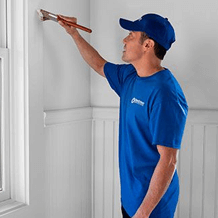
We are excited to announce that a long time Master Craftsman of our business is now the proud new owner; please join us in congratulating Earl Swader as the new owner of Handyman Connection of Blue Ash. Earl has previous business ownership already under his belt and is looking forward to continuing to serve the Blue Ash community as the proud owner.

Remodeling / April 9, 2026

You do not need a loan to renovate your home. You need a plan, some patience, and the discipline to look at money that is already within reach. I have seen too many homeowners rush into financing when smarter, lower-risk options were sitting right in front of them.
If you are thinking about upgrading your kitchen, finishing a basement, or finally fixing that aging bathroom, here are practical ways to fund it without taking on new debt.
Most households have unused value sitting in drawers. Old gold chains, broken jewelry, silver coins, and inherited pieces you never wear can be converted into real project cash if you approach the sale the right way.
Start by understanding weight, purity, and current market pricing. If you are serious about selling gold at spot price, you need to know the day’s rate and how buyers calculate melt value. Homeowners who compare offers and ask direct questions often walk away with significantly more money because they recognize unfair spreads.
Get multiple written quotes and verify scale accuracy. Treat it like hiring a contractor. You would not accept the first bid blindly, and you should not do that with precious metals either.
2. Use Federal And Utility Rebates To Offset Costs
Energy-efficient upgrades are not just good for comfort. They often come with rebates that put money back in your pocket.
According to the American Council for an Energy-Efficient Economy, federal and utility rebate programs can significantly reduce the cost of qualifying upgrades. That means insulation, heat pumps, panel upgrades, and high-efficiency windows may cost far less than you expect. If you were planning to replace an old system anyway, these programs can fund part of your remodel.
Check local utility websites and state energy offices before you start work. Apply early and confirm requirements so you do not miss paperwork deadlines.
Demolition does not have to mean dumpsters and wasted materials. Cabinets, solid-core doors, light fixtures, hardware, and even reclaimed lumber can have resale value.
Before the demo crew swings a hammer, identify salvageable items. Photograph them and list them on local marketplaces, or contact architectural salvage yards. Even modest returns can offset material costs for the new build.
Here are common items worth reselling:
Plan removal carefully so materials stay intact. Damaged goods lose value fast.
Contractors have busy seasons and slower seasons. If you schedule wisely, you can stretch your budget further.
Research shared by industry outlets like WRE News shows that homeowners spent hundreds of billions on remodeling in 2024 alone. High demand drives tighter schedules and firmer pricing. If you can wait until late fall or winter, some contractors have more flexibility and may offer better value to keep crews working.
Do not expect massive discounts. Expect better availability, smoother timelines, and potentially more competitive bids.
Scope creep kills budgets. Many remodels go over budget because homeowners keep adding features mid-project.
Instead of expanding, prioritize. Upgrade one space fully instead of partially renovating three. Shift funds from cosmetic extras to structural improvements that add long-term value.
Move-in-ready homes often command stronger resale appeal, as noted in housing research highlighted by Zillow economists. Buyers appreciate updated, thoughtfully finished spaces because they do not want surprise projects after closing. Focus your money where it counts.
A remodel fund is simple but powerful. Open a separate high-yield savings account and automate contributions weekly or monthly.
Even modest deposits add up faster than you think. When the account is separate from everyday spending, you are less tempted to dip into it.
Set a clear project goal and timeline. Treat it like a contract with yourself. Discipline today means fewer financial headaches tomorrow.
Bartering is not common, but it still works in the right situations. If you have professional skills that a contractor needs, there may be room for a mutually beneficial agreement.
For example, a homeowner who is a graphic designer might trade branding work for discounted labor. The key is to keep everything documented and valued fairly. Transparency prevents misunderstandings and keeps the relationship professional.
Always confirm licensing and insurance. Even in a barter situation, quality and safety come first.
Funding a remodel without a loan is all about control. You set the pace, priorities, and risk tolerance. By using dormant assets, rebates, as well as smart planning, you can upgrade your home without new debt.
Talk with Handyman Connection to map out practical next steps.

11115 Kenwood Rd.
Blue Ash, OH 45242

© Handyman Connection 2026 | Privacy Policy

 (513) 771-3950