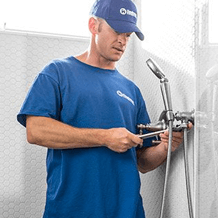
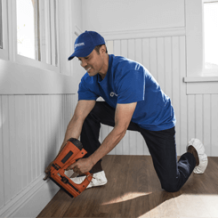
We are excited to announce that a long time Master Craftsman of our business is now the proud new owner; please join us in congratulating Earl Swader as the new owner of Handyman Connection of Blue Ash. Earl has previous business ownership already under his belt and is looking forward to continuing to serve the Blue Ash community as the proud owner.

Outdoor Living / October 10, 2025

Moving into a new home is exciting, but before you unpack your boxes and start decorating, one essential step deserves your full attention—the move-in inspection. This detailed walkthrough helps homeowners identify potential issues, document property conditions, and ensure that everything functions as it should before settling in. A thorough inspection not only protects your investment but also gives you peace of mind knowing your new home is safe, sound, and ready for you to enjoy.
A move-in inspection is more than a formality. It’s your opportunity to confirm that the property matches the terms of your purchase agreement or lease and to catch problems that may have been overlooked during the buying or building process. Small issues can grow into major expenses if not caught early, so approaching this step with diligence can save you both time and money in the long run.
While inspections are crucial, it’s equally important to manage your finances carefully during this process. Unexpected repair costs or maintenance needs can arise once you uncover hidden issues. To stay on budget during transition, prioritize essential fixes first and plan for upgrades later as your resources allow. Being mindful of spending helps you settle into your new home without unnecessary financial stress.
Before heading indoors, take a careful look around the outside of your home. Check the roof for missing shingles, clogged gutters, or damaged flashing that could lead to leaks. Inspect the siding or brickwork for cracks or gaps that might let in moisture. Examine the foundation for any signs of settling or visible fractures. Even the driveway and walkways should be inspected for uneven surfaces or trip hazards. A stable exterior ensures that the structure is protected against the elements.
Windows and doors play a major role in keeping your home energy efficient and secure. During your inspection, make sure every window opens and closes easily, locks properly, and seals tightly when shut. Check for drafts around the frames and look for signs of condensation between windowpanes, which may indicate failed seals. Doors should latch smoothly and swing freely on their hinges without sticking. Pay special attention to the front and back doors, as they are your first line of defense against intruders and the weather.
Electrical safety is critical in any home. Start by flipping every light switch to ensure fixtures and outlets work properly. Test outlets with a small device, such as a phone charger, to verify power flow. Examine the electrical panel to confirm it’s labeled correctly and in good condition. If you notice flickering lights, warm outlets, or an outdated fuse box, these may signal underlying electrical problems that need immediate attention. It’s always worth consulting a licensed electrician if anything seems off.
Plumbing issues can be both inconvenient and costly. Turn on every faucet to check water pressure and temperature consistency. Look under sinks for leaks or dampness and listen for gurgling sounds that might indicate a clogged drain. Flush all toilets to confirm they refill properly and seal correctly at the base. If your new home has a basement, check exposed pipes for rust or signs of previous water damage. Catching small plumbing problems early can prevent bigger headaches later.
Your HVAC system keeps your home comfortable year-round, so it deserves careful inspection. Make sure the furnace and air conditioner power on correctly and respond to thermostat changes. Replace air filters if they appear dirty, and check vents for blockages or dust buildup. Proper ventilation prevents moisture accumulation and maintains healthy air quality. If your new home includes a fireplace, inspect the chimney and flue for debris or creosote buildup before lighting the first fire.
Inside your home, take a slow walk through every room. Look for cracks, stains, or discoloration on walls and ceilings, which could indicate past or present leaks. Check floors for unevenness or soft spots, particularly in bathrooms and kitchens where water exposure is common. Carpets should be clean and free from odors, while hardwood or tile should show no signs of buckling or gaps. A clean and level interior provides a solid foundation for a comfortable living space.
Kitchens often contain the most mechanical systems in a home. Turn on the stove, oven, and range hood to confirm proper operation. Run the dishwasher through a short cycle and check around it for leaks. Inspect the refrigerator and freezer for correct cooling and listen for unusual noises. Make sure the garbage disposal runs smoothly and drains quickly. Functional kitchen appliances make everyday life easier and prevent frustrations right after move-in.
Bathrooms are small spaces, but they can hide big problems. Check tiles and grout for mold or cracks that could allow water to seep through. Turn on exhaust fans to confirm they remove moisture efficiently. Inspect showerheads and faucets for proper flow and drainage. Make sure caulking around tubs and sinks is intact. Since moisture is the number one cause of home damage, a detailed bathroom check ensures long-term protection.
Your safety should never be an afterthought. Test smoke and carbon monoxide detectors to confirm they’re working and located in the right areas. Look for fire extinguishers and verify their expiration dates. Ensure that stair railings are secure and that any basement or attic access points have proper lighting. Checking these features may not be the most glamorous part of moving in, but they could one day save lives.
As you perform your inspection, take photos and detailed notes of anything that looks damaged, outdated, or suspicious. Keep all records organized in a digital or physical folder so you can easily reference them later. If you recently purchased your home, these records can support any warranty or insurance claims. For renters, documentation ensures you won’t be held responsible for pre-existing damage when moving out.
If you discover problems that should have been fixed before move-in, contact your seller, real estate agent, or builder immediately. Most purchase agreements and home warranties outline specific procedures for repairs or compensation. Acting quickly prevents disputes and ensures accountability. Always communicate in writing, whether through email or certified mail, to create a clear paper trail.
Even the most thorough homeowner can miss hidden problems. If you feel uncertain about any area—especially the roof, foundation, or electrical system—hire a professional inspector. These experts use specialized tools like moisture meters, thermal cameras, and electrical testers to identify issues that aren’t visible to the naked eye. The cost of an inspection is minimal compared to the peace of mind it provides.
A move-in inspection isn’t just about ticking boxes—it’s about protecting your investment, ensuring safety, and starting your new chapter with confidence. By taking the time to evaluate every system, surface, and structural detail, you lay the groundwork for a worry-free homeownership experience. Whether you’re buying, building, or renting, this inspection gives you control over your new environment and helps you plan wisely for the future. Your home should be a place of comfort and security—and a thorough inspection is the first step toward making that dream a reality.

11115 Kenwood Rd.
Blue Ash, OH 45242

© Handyman Connection 2026 | Privacy Policy

 (513) 771-3950