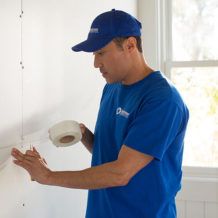
We are excited to announce that a long time Master Craftsman of our business is now the proud new owner; please join us in congratulating Earl Swader as the new owner of Handyman Connection of Blue Ash. Earl has previous business ownership already under his belt and is looking forward to continuing to serve the Blue Ash community as the proud owner.

Carpentry / July 10, 2026

Home repairs rarely end with the number printed on the first estimate. A leaking pipe may reveal damaged flooring, a non-functioning wall outlet can mean an outdated electrical system that may require upgrades, or a simple roof repair could uncover water damage hidden beneath the surface. What begins as a manageable project can quickly become much more expensive.
Those added costs often catch homeowners off guard because they aren’t visible until the work begins. Understanding where unexpected expenses come from, along with the different ways to pay for them, can make repair decisions less stressful.
Many repair projects become more expensive because the visible problem is only part of the picture. Contractors often discover additional issues once walls, floors, or ceilings are opened, and those findings can change both the scope and cost of the project.
Older homes are especially prone to surprises. Wiring may no longer meet current building codes. Plumbing materials installed decades ago may need replacement instead of repair. Structural damage can remain hidden until surrounding materials are removed.
Labor also plays a role. A project expected to take two days may require a full week after additional repairs become necessary. Material prices can also change between receiving an estimate and purchasing supplies, particularly when specialized products are involved.
None of this means contractors intentionally underestimate costs. Home repairs simply involve working with unknowns that can’t always be evaluated beforehand. Building some flexibility into the budget helps prepare for those possibilities.
The contractor’s estimate isn’t always the complete financial picture. Several additional expenses can appear during a repair project, even when the original work remains unchanged.
Permit fees and inspections are common examples. Depending on local requirements, electrical, plumbing, or structural repairs may require permits before work can continue. Those costs may not receive much attention in an initial construction budget.
Temporary living arrangements can create another unexpected expense. Major water damage, extensive flooring replacement, or significant structural work may require homeowners to stay elsewhere while repairs are completed. Storage fees, meals away from home, or additional transportation costs can also affect the overall budget.
Cleanup is another area people sometimes overlook. Removing damaged drywall, flooring, roofing materials, or old fixtures often involves disposal costs that are separate from the repair itself. Individually, these expenses may seem modest, though together they can noticeably increase the total project cost.
Preparation cannot eliminate every surprise, but it can reduce the financial pressure when unexpected costs appear. Spending time planning before work starts often leads to better decisions throughout the project.
Obtaining more than one estimate gives homeowners a clearer understanding of expected pricing and project scope. While estimates may differ, comparing them often highlights questions worth discussing before any work begins.
Many contractors also recommend setting aside a contingency fund. Reserving an additional percentage of the project budget creates room for repairs that cannot be identified during the initial inspection. That extra cushion can prevent work from stopping midway through the project.
It also helps to distinguish between repairs that must happen immediately and improvements that can wait. Prioritizing essential work allows homeowners to focus available resources where they’re needed most.
When repair costs grow beyond what was originally expected, homeowners often need to look beyond their initial budget. The right funding option depends on the size of the expense, available financial resources, and how quickly the repairs need to be completed.
Savings are often the least expensive way to pay for home repairs because they avoid interest charges and monthly loan payments. Emergency funds are intended for situations like unexpected repairs that cannot reasonably be postponed.
Even so, using every available dollar may leave little protection if another emergency arises soon afterward. Keeping a financial cushion available for future needs is one reason why some homeowners choose to use only part of their savings to fund home repairs.
Insurance may help cover repair costs when damage results from a covered event, such as a storm or another qualifying incident. Routine maintenance, gradual wear, and age-related deterioration are typically handled differently, making it important to review a policy before assuming a repair is covered.
Understanding deductibles, policy limits, and exclusions can also help homeowners avoid surprises during the claims process.
Contractor payment plans can offer a practical middle ground for homeowners who need to move forward with repairs but can’t comfortably pay the full cost upfront.
Instead of delaying urgent work, spreading payments over time may make it easier to address the problem while keeping monthly cash flow more manageable. This option can be especially helpful when the repair is necessary to protect the home from further damage.
Sometimes savings, insurance, and contractor payment plans still leave a funding gap. In those situations, homeowners may begin exploring personal loans to help cover repairs that can’t safely be delayed.
Someone less than perfect credit who is researching financing for a moderate repair might compare options such as a $1600 loan bad credit solution when evaluating ways to pay necessary repair costs through scheduled installments. Before borrowing, it remains important to review repayment terms, total borrowing costs, and how the monthly payment fits within the household budget.
Choosing a funding option involves more than finding the quickest source of money. Looking at the full financial picture can make it easier to select an option that remains manageable after the repair is complete.
Before making a decision, consider:
Every funding option comes with tradeoffs. Savings reduce future debt but may deplete emergency reserves. Insurance may cover only part of the repair. Payment plans and personal loans can spread costs over time but introduce ongoing repayment obligations.
Taking time to weigh these factors helps homeowners choose an approach that supports both the immediate repair and their longer-term financial wellbeing.
Unexpected repairs often force homeowners to balance urgency with affordability. While some decisions need to be made quickly, taking a little time to understand the situation can lead to better financial choices.
Knowing why repair costs increase and reviewing available funding options can make those decisions less stressful. Comparing the available choices before committing to one often helps homeowners avoid unnecessary financial pressure later.
Every repair is different, and so is the right way to pay for it. Planning ahead won’t prevent every surprise, but it can make unexpected repair costs easier to handle when they arise.

11115 Kenwood Rd.
Blue Ash, OH 45242

© Handyman Connection 2026 | Privacy Policy

 (513) 771-3950