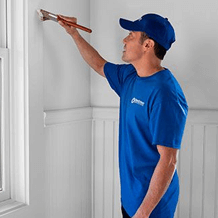
We are excited to announce that a long time Master Craftsman of our business is now the proud new owner; please join us in congratulating Earl Swader as the new owner of Handyman Connection of Blue Ash. Earl has previous business ownership already under his belt and is looking forward to continuing to serve the Blue Ash community as the proud owner.

Remodeling / March 5, 2026

Home renovations are a common part of homeownership. Some projects focus on improving comfort or functionality. Others aim to increase property value or modernize older features. Kitchens are redesigned, basements are finished and additional living space is created.
While renovations often improve the quality of a home, they can also affect homeowners insurance. Many homeowners do not realize that upgrades and structural changes can influence coverage requirements. If insurance policies are not updated after improvements, coverage may no longer reflect the true value of the property.
Understanding how renovations connect to insurance coverage helps homeowners protect their investment before, during and after a project.
Renovations often increase the value of a home. Even smaller upgrades can change the cost of rebuilding the property if damage occurs. Insurance policies are typically based on the estimated replacement cost of the structure. When renovations raise that cost, the policy may need to be adjusted.
For example, replacing an outdated kitchen with modern appliances, custom cabinets and higher quality materials increases the overall rebuilding expense. The same applies to adding new bathrooms, expanding living areas or upgrading structural systems.
When these changes occur, insurance coverage should reflect the updated property value. If the policy remains unchanged, homeowners may find that coverage falls short during a claim.
Keeping insurance aligned with the condition of the home ensures that the property can be properly repaired or rebuilt if needed.
Certain renovation projects have a larger influence on insurance coverage than others. These projects typically involve structural changes or high value upgrades.
Kitchen and bathroom remodels are among the most common improvements. These spaces often include expensive materials, appliances and plumbing systems. When they are upgraded, the replacement cost of the home increases.
Home additions can also significantly affect coverage. Adding an extra bedroom, expanding a living room, or building a second story changes both the size and value of the property.
Basement finishing projects may also require insurance updates. A basement converted into a living space introduces new electrical systems, flooring, and furniture that increase the overall value of the home.
Exterior improvements can also play a role. Decks, garages, and outdoor living areas expand the usable space of the property. These additions may require adjustments to dwelling coverage or liability protection.
Communication with an insurance provider is an important step during renovation planning. In many cases, homeowners should notify their insurer before starting a major project.
Construction activity introduces temporary risks. Open structures, exposed wiring, and stored building materials can increase the likelihood of damage or accidents during renovation work. Informing the insurer allows them to review the policy and determine whether adjustments are needed.
Homeowners should also contact their insurer once renovations are completed. This allows the insurance company to update coverage limits based on the improved value of the property.
If the renovation significantly changes the structure of the home, such as adding square footage or altering the layout, updating the policy becomes especially important.
Renovations often require adjustments to multiple areas of a homeowner’s insurance policy.
The most common change involves dwelling coverage. As the home increases in size or value, the cost to rebuild it also rises. Insurance limits should reflect this updated rebuilding estimate.
Personal property coverage may also change after renovations. New appliances, upgraded furniture, and specialized equipment can increase the total value of belongings inside the home.
Liability coverage is another area worth reviewing. Certain additions, such as swimming pools, decks, or large outdoor features, may increase the risk of accidents. Adjusting liability limits can provide additional protection if injuries occur on the property.
Evaluating these elements helps ensure the policy remains aligned with the current condition of the home.
Renovation projects introduce temporary risks that homeowners should consider carefully. One important factor involves contractor insurance.
Professional contractors typically carry their own liability and workers’ compensation insurance. This coverage protects both the contractor and the homeowner if accidents occur during construction. Before starting a project, homeowners should confirm that contractors maintain appropriate coverage.
Another consideration involves the materials stored on site during construction. Expensive materials or equipment may be exposed to weather or theft while renovations are underway.
In large renovation projects where homeowners temporarily move out, the property may remain vacant for extended periods. Vacant homes can carry higher insurance risks. In some cases, insurers may require temporary adjustments to coverage during long construction periods.
Home improvements often lead to changes in insurance premiums. In many cases, premiums increase because the value of the home has risen.
A larger home with higher-quality materials costs more to rebuild. As a result, the insurance company may adjust premiums to reflect the updated risk.
However, some renovations may improve safety and reduce risk. Replacing outdated electrical wiring, installing a new roof, or upgrading plumbing systems can lower the chance of future damage. These types of improvements may help balance premium increases.
When homeowners review policy updates after renovations, it is also a good time to compare house insurance options and evaluate whether the current policy still provides the most suitable coverage.
After a renovation project is complete, homeowners should review their insurance coverage carefully. Coverage limits may need to increase to match the new value of the property.
Comparing policies can help identify whether the current coverage still meets the homeowner’s needs. Reviewing details such as coverage limits, exclusions, and deductibles allows homeowners to make informed decisions about their protection.
A slightly higher premium may offer stronger coverage for newly renovated features. Understanding these differences helps homeowners maintain adequate protection for their improved property.
Homeowners planning renovations can take several steps to protect their property and insurance coverage.
Start by reviewing the existing policy before any work begins. Understanding the current coverage helps determine whether adjustments are necessary.
Inform the insurance provider about planned renovations. Early communication allows the insurer to recommend appropriate coverage changes if needed.
Keeping records of renovation expenses is also helpful. Documentation of materials, labor, and improvements provides useful information when updating coverage.
Finally, review the policy again once the project is complete. Updating coverage limits ensures the insurance policy reflects the home’s current value and condition.
Home renovations often improve comfort, functionality, and property value. At the same time, they can influence homeowners’ insurance in important ways.
Failing to update insurance coverage after renovations may leave a property underinsured. By reviewing policies before and after improvements, homeowners can ensure their coverage reflects the true value of their home.
A thoughtful approach to both renovation planning and insurance protection helps maintain long-term security for the property and the investment it represents.
11115 Kenwood Rd.
Blue Ash, OH 45242

© Handyman Connection 2026 | Privacy Policy

 (513) 771-3950