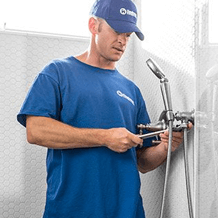
We are excited to announce that a long time Master Craftsman of our business is now the proud new owner; please join us in congratulating Earl Swader as the new owner of Handyman Connection of Blue Ash. Earl has previous business ownership already under his belt and is looking forward to continuing to serve the Blue Ash community as the proud owner.

Outdoor Living / August 17, 2026

A sprinkler system can make your yard look effortless right up until it starts acting strange. One soggy patch, one dry corner, or one mystery spike in your water bill can turn a simple landscaping setup into a home maintenance issue. If you want your lawn healthy without wasting water, it helps to know what goes wrong, what you can check yourself, and when a repair job stops being a weekend project.
A sprinkler system usually gives you warning signs before it fully misbehaves. You might notice a head spraying sideways into the driveway, a weak mist instead of steady coverage, or a section of grass that looks crunchy while everything else is thriving.
Those little problems can quietly waste a lot of water. A cracked head or leaking valve may run every cycle and add gallons you never meant to use. It can also affect your soil, wash away mulch, and leave plant roots getting too much or too little moisture.
If you’ve started seeing uneven watering, puddles, or random geyser behavior, it may be time to look into sprinkler system repair. Catching the issue early usually means fewer damaged parts, less digging, and a much better chance of saving your lawn from turning into a patchwork quilt.
Most sprinkler problems come down to wear, impact, or clogged components. Sprinkler heads sit low to the ground, which makes them easy targets for lawn mowers, foot traffic, and curious dogs with no respect for irrigation engineering.
A few of the most common issues include:
– Broken or tilted sprinkler heads
– Clogged nozzles from dirt or debris
– Leaks in underground pipes
– Faulty valves that won’t open or close properly
– Controller settings that run the wrong zones or times
– Pressure problems that create misting or weak spray
Tree roots can also interfere with underground lines, especially in older yards. Seasonal temperature changes add another layer of trouble. In colder climates, pipes that weren’t winterized correctly can crack and then reveal the damage once spring startup begins.
Sometimes the problem isn’t dramatic at all. It’s just a system slowly losing efficiency, one zone at a time.
You don’t need to be an irrigation technician to spot the basics. A careful walk-through during a watering cycle can tell you a lot. Start by turning on one zone at a time and watching what each head actually does, not what you assume it’s been doing.
Check for:
– Heads that don’t pop up fully
– Water pooling near one sprinkler
– Spray hitting fences, sidewalks, or walls
– Uneven arc patterns
– Dry spots between working heads
– Muddy areas near valves or piping routes
Look at your controller too. Incorrect schedules can mimic mechanical problems. If a zone runs too often, the grass may look overwatered even when every part is technically functioning.
You can clean a clogged nozzle or realign a head if the fix is obvious. Once you’re dealing with hidden leaks, wiring, or pressure inconsistencies, the job gets more complicated fast. That’s when DIY confidence can start writing checks your yard has to cash.
Delaying sprinkler repairs can create problems beyond your lawn’s appearance. Water waste is the obvious issue, but it’s not the only one. Persistent overspray near foundations, walkways, or patios can contribute to erosion, slippery surfaces, and long-term moisture concerns.
If one zone fails during hot weather, grass and shallow-rooted plants can decline quickly. You may not notice the full damage until the lawn starts thinning or shrubs begin showing stress. Recovering damaged landscaping often costs more than the repair that would have prevented it.
There’s also the billing side of things. A hidden leak underground doesn’t need dramatic movie-style spraying to be expensive. A small break running regularly can push your water bill up in a way that feels random until you investigate.
Fast action keeps a manageable issue from spreading through the system. Irrigation problems are a bit like bad group projects: one weak link starts dragging everything else down.
A proper sprinkler repair isn’t just replacing the obvious broken part. A good technician usually checks the system as a whole, including coverage patterns, pressure balance, valve function, and controller settings. That broader view matters because visible symptoms often point to a deeper issue.
For example, a head that keeps failing may actually be dealing with pressure that’s too high. A dry patch might not be caused by that section alone. It could come from a valve problem upstream or a nozzle mismatch in the same zone.
Professional repair also helps when parts need to be matched correctly. Not all heads, nozzles, and valves work interchangeably, and using the wrong component can create inefficient watering even when the system seems fixed.
The goal isn’t just restoring water flow. It’s getting even coverage, reducing waste, and making sure the system works consistently instead of limping from one temporary patch to the next.
You can’t prevent every sprinkler problem, but you can cut down the odds. Routine checks make a real difference, especially at the start of each watering season and after any landscaping work.
A few useful habits:
– Run each zone monthly and inspect coverage
– Keep grass and edging from blocking heads
– Clean nozzles when spray patterns look uneven
– Adjust for seasonal weather changes
– Watch your water bill for unexplained increases
– Winterize the system if your climate freezes
– Mark sprinkler locations before digging in the yard
It also helps to revisit your watering schedule during especially rainy or hot periods. Many systems keep running on autopilot long after your yard’s actual needs have changed.
If you’ve added garden beds, changed plant types, or updated hardscaping, your old coverage pattern may no longer fit the layout. Irrigation works best when it matches how your yard lives now, not how it looked five years ago.
A working sprinkler system supports more than curb appeal. It affects how efficiently your home uses water, how well your landscaping performs, and how much maintenance pressure lands on you later. When the system runs properly, you spend less time chasing dry spots and fewer weekends wondering why one zone has suddenly developed a personality.
Paying attention to early warning signs gives you options. You may solve a minor issue yourself, or you may catch a larger one before it damages turf, plants, or nearby surfaces. Either outcome beats ignoring the problem and hoping the lawn sorts itself out.
If your system has started showing signs of inconsistency, think of it as a home improvement issue rather than just a lawn quirk. A little attention at the right time can protect your yard, your water bill, and your patience all at once.

11115 Kenwood Rd.
Blue Ash, OH 45242

© Handyman Connection 2026 | Privacy Policy

 (513) 771-3950