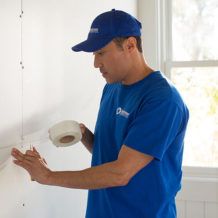
We are excited to announce that a long time Master Craftsman of our business is now the proud new owner; please join us in congratulating Earl Swader as the new owner of Handyman Connection of Blue Ash. Earl has previous business ownership already under his belt and is looking forward to continuing to serve the Blue Ash community as the proud owner.

Home Maintenance / May 29, 2026

Your air conditioning system works hard behind the scenes, especially during the hottest months of the year. It keeps your home comfortable, protects indoor air quality, and helps control humidity, but it also needs the right care if you want it to last. Many homeowners do not think about AC maintenance until something goes wrong, but https://vikingair.net is a helpful reminder that comfort systems perform best when they are looked after before problems start. With a few smart habits and regular attention, you can reduce strain on your unit, avoid unnecessary repairs, and get more years from your cooling system.
The air filter is one of the simplest parts of your system, but it has a major impact on performance and longevity.
When a filter gets clogged with dust, hair, pet dander, and debris, air has a harder time moving through the system. That means your AC has to work harder to cool the home. Over time, that extra strain can affect airflow, reduce efficiency, and put more pressure on important components.
A clean filter helps the system breathe. It also helps reduce dust circulation and keeps indoor air feeling fresher. Most homes benefit from checking the filter once a month, especially during heavy cooling seasons. Some filters can last longer, but homes with pets, allergies, or frequent system use may need replacements more often.
This is one of the easiest maintenance habits to build. Set a reminder on your phone, write it on your calendar, or keep replacement filters where you can see them. A few minutes of attention can help prevent bigger problems later.
Your outdoor unit needs space to release heat properly. If it is crowded by leaves, grass, weeds, dirt, or stored items, it cannot work as efficiently as it should.
The outside unit pulls air through its coils and uses that airflow to help cool your home. When debris blocks the area around it, the system may overheat or run longer than necessary. That extra effort can shorten its lifespan and increase energy use.
Check the area around the unit regularly. Trim back plants, remove leaves, clear away branches, and avoid stacking anything nearby. Try to leave open space around the unit so air can move freely. After storms or heavy winds, take a quick look to make sure nothing has blown into the fins or around the base.
You do not need to take the unit apart or do anything complicated. Simple clearance and basic exterior care can make a noticeable difference in how smoothly the system runs.
Airflow is one of the biggest factors in AC performance. Even a well-maintained system can struggle if cooled air cannot move through the house properly.
Walk around your home and check the vents. Make sure they are not blocked by furniture, rugs, curtains, boxes, or decor. Closed or blocked vents can create pressure issues and make the system work harder than needed. While it may seem logical to close vents in unused rooms, doing so can sometimes disrupt the system’s balance.
Return vents matter too. These are the vents that pull air back into the system. If they are blocked or dusty, airflow can suffer. Keep them clear and wipe them down occasionally to remove dust buildup.
Good airflow helps your AC cool more evenly, run more efficiently, and avoid unnecessary stress. If certain rooms always feel warmer than others, that may be a sign that airflow needs attention.
Your thermostat has more influence on system lifespan than many people realize.
Setting the temperature extremely low does not cool the home faster. It simply makes the system run longer. That can lead to more wear, higher energy bills, and extra strain during hot weather. A steady, reasonable temperature is usually better for comfort and system health.
If you have a programmable or smart thermostat, use it to create a schedule. You can let the temperature rise slightly when no one is home and cool things down before people return. This gives the system breaks instead of forcing it to run at full demand all day.
Avoid constantly adjusting the temperature up and down. Frequent changes can make the system cycle more often, which may increase wear over time. A consistent approach helps your AC operate more smoothly.
Your AC system often gives warning signs before a major breakdown happens. The key is paying attention early.
Strange sounds can point to loose parts, motor issues, debris, worn components, or airflow problems. Rattling, grinding, buzzing, squealing, or banging should not be ignored. The same goes for unusual smells. Musty odors may suggest moisture or mold concerns, while burning smells can point to electrical or mechanical issues.
If something feels off, it is better to address it sooner rather than later. Waiting can turn a small repair into a larger one. It can also place added strain on the system while the issue gets worse.
A system does not need to fail completely before it deserves attention. Early action is one of the best ways to protect your investment.
There are many things homeowners can do on their own, but professional maintenance still plays an important role in extending AC lifespan.
A trained technician can inspect parts you may not be able to access or evaluate properly. They can check refrigerant levels, electrical connections, coils, motors, drainage, thermostat performance, and overall system operation. They can also identify worn parts before they cause a full breakdown.
Routine maintenance helps the system run cleaner, safer, and more efficiently. It also gives you a better understanding of your unit’s condition. Instead of guessing whether your AC is doing fine, you get a clearer picture from someone who knows what to look for.
For many homes, an annual tune-up before peak cooling season is a smart habit. It helps prepare the system for heavier use and gives you time to fix issues before the hottest days arrive.
Your AC coils help transfer heat, which makes them essential to the cooling process.
When coils are covered in dirt or grime, heat transfer becomes less efficient. This can make the system run longer and work harder to achieve the same cooling result. Over time, dirty coils can contribute to higher energy use and increased wear.
The outdoor coil can collect dirt, grass clippings, leaves, and pollen. The indoor coil can also become dirty, especially if filters are not changed regularly. While basic outdoor clearing is safe for most homeowners, deeper coil cleaning is often best handled by a professional to avoid damage.
Keeping filters fresh, maintaining airflow, and scheduling service are all ways to protect the coils. Clean coils help your system cool more effectively and reduce stress on the equipment.
Your AC does not work alone. The way you manage heat inside your home affects how hard the system has to run.
Close blinds or curtains during the hottest parts of the day to reduce heat gain from direct sunlight. Use ceiling fans to help circulate cool air, but remember to turn them off when rooms are empty. Fans cool people, not rooms, so leaving them on unnecessarily can waste energy.
Try to limit heat-producing activities during peak heat. Running the oven, dryer, or other high-heat appliances in the middle of a hot day can make the AC work harder. Cooking later in the evening or using smaller appliances can help reduce indoor heat.
Small choices like these can take pressure off your cooling system and help maintain a more comfortable home.
Your air conditioning system removes moisture from the air as it cools. That moisture needs somewhere to go, which is why the drain line matters.
If the drain line becomes clogged, water can back up and cause leaks, humidity problems, or system shutdowns. In some cases, moisture issues can create damage around the unit or contribute to unpleasant odors.
Watch for signs of drainage trouble, like water near the indoor unit, musty smells, or unusual humidity. During maintenance, a technician can check and clear the drain line if needed.
This may seem like a small part of the system, but proper drainage helps your AC run safely and comfortably.
Even with great maintenance, no AC system lasts forever. Part of extending its lifespan is knowing when repairs still make sense and when the unit may be reaching the end of its useful life.
If your system needs frequent repairs, struggles to cool evenly, makes ongoing noise, or causes rising energy bills, it may be wearing down. Age matters too. Older units can still perform well with proper care, but they may become less efficient or less reliable over time.
This does not mean you should replace your system at the first sign of trouble. It simply means you should pay attention to patterns. A single repair may be normal. Repeated breakdowns are a sign that the system needs a closer look.
Extending the life of your air conditioning system is not about one big task. It is about consistent care.
Change filters regularly, keep the outdoor unit clear, protect airflow, use your thermostat thoughtfully, respond to warning signs, and schedule professional maintenance. These habits help your system run with less strain and give it the best chance of lasting as long as possible.
Your AC is one of the most important comfort systems in your home. Treating it well can mean fewer surprises, better efficiency, and more dependable cooling when you need it most. A little attention throughout the year can go a long way toward keeping your home comfortable and your system running strong.

11115 Kenwood Rd.
Blue Ash, OH 45242

© Handyman Connection 2026 | Privacy Policy

 (513) 771-3950