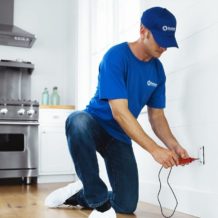
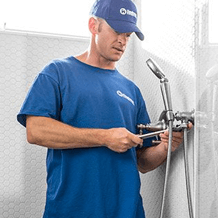
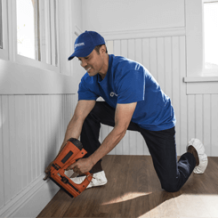
We are excited to announce that a long time Master Craftsman of our business is now the proud new owner; please join us in congratulating Earl Swader as the new owner of Handyman Connection of Blue Ash. Earl has previous business ownership already under his belt and is looking forward to continuing to serve the Blue Ash community as the proud owner.

Maintenance / September 16, 2025

Heating, ventilation, and air conditioning (HVAC) systems are important for maintaining comfortable indoor environments, but they are among the largest energy consumers in homes and businesses. An inefficient system increases utility bills and shortens equipment lifespan, and strains the environment. Boosting efficiency doesn’t always require a costly upgrade or complete replacement. Small adjustments, proper maintenance, and smart usage habits can make a significant difference in how well your HVAC system performs. In this article, we’ll explore simple but effective ways to maximize your HVAC’s efficiency, save money, and extend the life of your equipment.
One of the simplest and most impactful steps you can take to improve HVAC efficiency is to keep air filters clean. Dirty or clogged filters restrict airflow, forcing your system to work harder to heat or cool your space. This increases energy consumption and wears out components faster. Most experts recommend checking filters every month and replacing them at least every three months, or more often if you have pets, allergies, or live in a dusty environment. Clean filters ensure smooth airflow, enhance indoor air quality, and help maintain consistent comfort levels throughout your home.
Adopting energy-saving habits in your daily routine can make a significant difference in your HVAC system’s efficiency, reducing energy consumption and lowering utility bills. Simple adjustments, such as closing blinds during the hottest parts of the day, using ceiling fans to circulate air, and setting your thermostat slightly higher in summer or lower in winter, help maintain comfort without overworking the system. Other small steps, like turning off unused appliances, limiting heat-producing activities during peak hours, and sealing gaps around doors and windows, allow you to stay cool and save money while keeping your home comfortable. These habits contribute to long-term energy efficiency and sustainability.
Even the most advanced HVAC system can struggle if your home is full of leaks. Cracks around windows, doors, ductwork, and even electrical outlets allow conditioned air to escape and outdoor air to enter. This makes your system cycle more frequently, wasting energy and reducing efficiency. Simple DIY fixes like applying weatherstripping to doors, caulking gaps around windows, and sealing duct joints with mastic sealant can significantly reduce energy loss. Addressing leaks can cut energy bills by up to 20 percent while reducing strain on your HVAC unit.
Thermostats play a central role in HVAC efficiency, and upgrading to a programmable or smart thermostat can deliver substantial savings. These devices allow you to schedule temperature settings based on your daily routine, keeping the system from running unnecessarily when no one is home. Smart thermostats go a step further, learning your habits and adjusting settings automatically for maximum comfort and efficiency. Features like remote control via smartphone apps and energy usage reports help you make more informed decisions about your heating and cooling. By avoiding constant manual adjustments, you ensure your system runs smoothly and efficiently year-round.
While DIY care is important, nothing beats the expertise of a professional HVAC technician. Annual or biannual maintenance checks allow experts to inspect, clean, and fine-tune your system for peak performance. During a maintenance visit, technicians check refrigerant levels, clean coils, lubricate moving parts, inspect ductwork, and identify potential issues before they become costly problems. Regular servicing improves efficiency and extends the system’s life, pan, and maintains warranty coverage. Think of professional maintenance as an investment that prevents small inefficiencies from snowballing into expensive repairs or replacements.
Restricted or uneven airflow is a common cause of HVAC inefficiency, often leading to inconsistent temperatures and increased energy costs. Blocked vents, dirty or damaged ducts, and poorly designed ductwork can prevent conditioned air from circulating properly, creating hot and cold spots throughout your home. Begin by ensuring all vents and registers are open and free from obstructions such as furniture, rugs, or curtains. If your ducts are excessively dirty or clogged, consider professional cleaning to restore proper airflow. In older homes, ductwork redesign, balancing, or sealing may be necessary. Proper airflow enhances comfort, reduces system strain, and decreases how frequently your HVAC cycles, improving efficiency and lowering energy consumption.
Insulation plays a critical role in maintaining your home’s indoor temperature. Without adequate insulation, much of the heating or cooling produced by your HVAC system can escape, forcing the unit to work harder. Pay particular attention to attics, basements, and crawl spaces, which are often sources of significant heat loss. Adding insulation to these areas, as well as upgrading wall or floor insulation where possible, can create a more energy-efficient barrier. Even small steps, like insulating ductwork in unconditioned spaces, can make your HVAC system’s job easier and reduce your monthly energy expenses.
Controlling indoor humidity is often overlooked but plays a critical role in HVAC efficiency and comfort. Excessive humidity in summer can make your home feel warmer, while low humidity in winter can make it feel cooler, forcing your system to work harder to maintain the desired temperature. Using a dehumidifier during humid months or a humidifier during dry periods helps balance moisture levels and reduces strain on your HVAC system. Sealing leaks, ensuring adequate ventilation, and properly insulating your home prevent moisture buildup. By maintaining optimal humidity levels, you improve comfort and air quality and allow your HVAC system to operate more efficiently, reducing energy costs and extending equipment lifespan.
Improving your HVAC system’s efficiency doesn’t have to involve expensive upgrades or major renovations. By adopting a combination of simple strategies, such as replacing filters regularly, sealing air leaks, optimizing airflow, controlling humidity, scheduling professional maintenance, and incorporating energy-saving habits, you can significantly reduce energy consumption and utility costs. These steps help extend the lifespan of your equipment, prevent unnecessary repairs, and maintain consistent comfort throughout your home. Small, consistent actions create a more energy-efficient, environmentally friendly living space. Taking proactive measures ensures your HVAC system performs optimally while saving money and resources.
11115 Kenwood Rd.
Blue Ash, OH 45242

© Handyman Connection 2026 | Privacy Policy

 (513) 771-3950