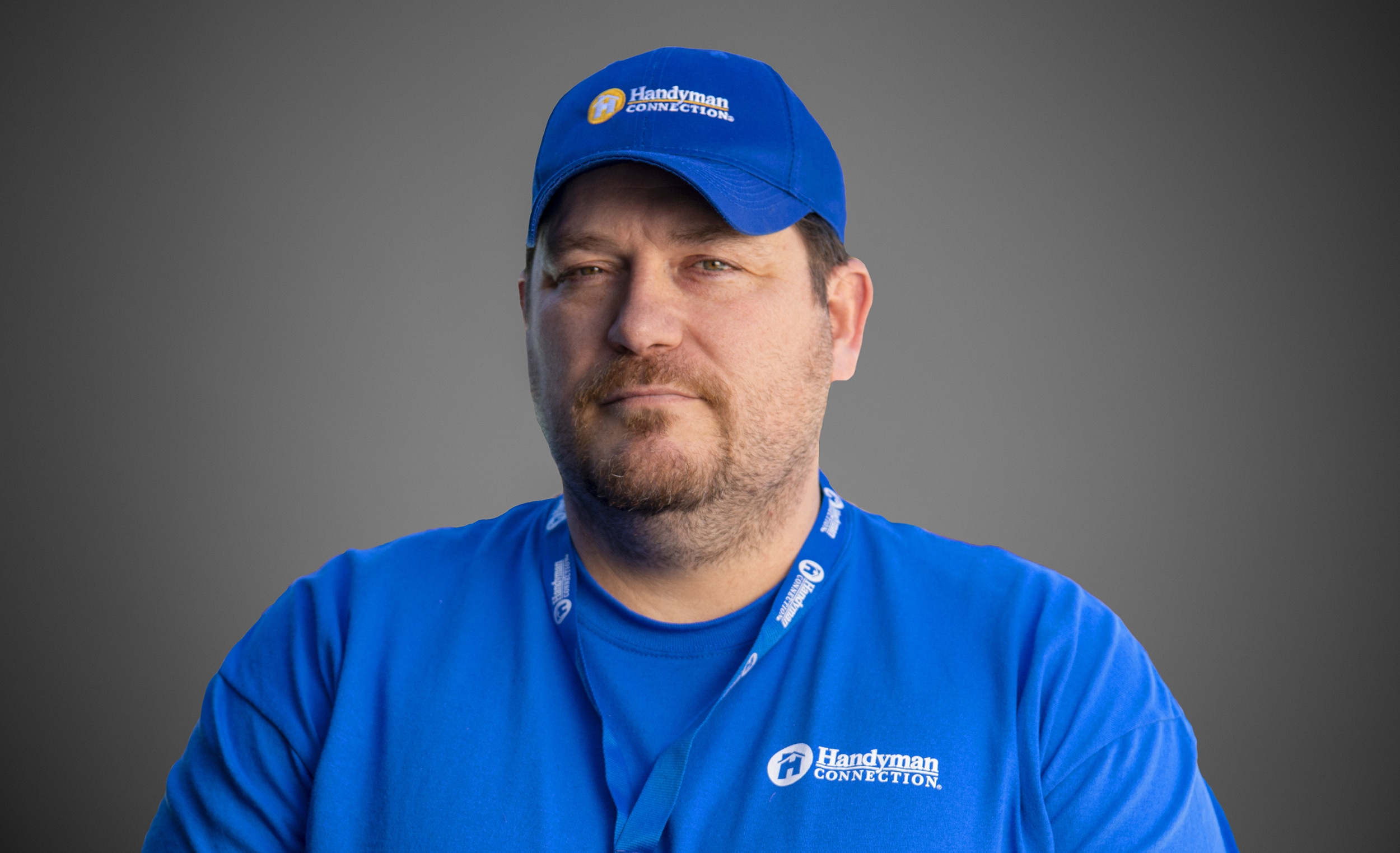
We are excited to announce that a long time Master Craftsman of our business is now the proud new owner; please join us in congratulating Earl Swader as the new owner of Handyman Connection of Blue Ash. Earl has previous business ownership already under his belt and is looking forward to continuing to serve the Blue Ash community as the proud owner.
Plumbing / February 10, 2026

Sewer pipe damage is a common issue for homeowners, especially in older properties with aging plumbing systems. Cracks, corrosion, and root intrusion can cause slow drains, backups, and unpleasant odors. Traditionally, repairing these problems meant digging up lawns, driveways, or floors to access damaged pipes. Today, a trenchless method known as sewer liner repair (also called cured-in-place pipe) offers a less disruptive alternative.
This approach has become increasingly popular in many areas, including regions such as North Carolina, where homeowners search for solutions like pipe lining Raleigh to avoid major excavation during repairs.
CIPP stands for cured-in-place pipe. It is a technique that repairs existing sewer lines from the inside rather than replacing them entirely. A flexible liner coated with resin is inserted into the damaged pipe and inflated so it conforms to the interior walls. Once cured, the liner hardens and forms a new pipe structure inside the old one. The original pipe remains in place, but the liner provides a smooth, durable surface that seals cracks and restores proper flow.
Sewer lining is commonly used to repair pipes affected by:
It is often chosen when pipes run beneath slabs, foundations, or landscaping where excavation would be difficult or costly. A camera inspection is typically required to determine whether the pipe is suitable for lining, as severely collapsed pipes may still need traditional replacement.
While equipment and materials can vary, most sewer lining projects follow a similar sequence:
CIPP offers several advantages compared to traditional excavation-based repairs:
These benefits make sewer lining appealing for homeowners looking to repair pipes without extensive property damage.
While sewer lining is effective in many cases, it is not a universal solution. Pipes that have fully collapsed, are severely offset, or are blocked beyond cleaning may still require excavation and replacement. In addition, lining slightly reduces pipe diameter, which may not be suitable for every situation. A professional inspection helps determine whether CIPP is appropriate based on pipe condition and layout.
As trenchless technology becomes more widely available, sewer liner repair continues to gain attention as a practical alternative to traditional methods. For homeowners researching options such as sewer repair Raleigh or similar services in other cities, CIPP offers a way to restore aging sewer systems with less disruption and downtime. Understanding how sewer lining works and when it is appropriate can help homeowners make informed decisions about maintaining their plumbing systems and protecting their property.
11115 Kenwood Rd.
Blue Ash, OH 45242

© Handyman Connection 2026 | Privacy Policy

 (513) 771-3950