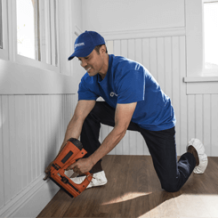
We are excited to announce that a long time Master Craftsman of our business is now the proud new owner; please join us in congratulating Earl Swader as the new owner of Handyman Connection of Blue Ash. Earl has previous business ownership already under his belt and is looking forward to continuing to serve the Blue Ash community as the proud owner.

Home Remodeling / February 24, 2026

There’s something uniquely satisfying about restoring a run-down home. In Dallas, where historic charm meets modern growth, older properties often carry stories beneath their peeling paint and sagging porches. From Oak Cliff bungalows to aging ranch-style homes in East Dallas, neglected houses are scattered across the city, waiting for someone with vision and patience to bring them back to life.
Restoring a distressed property in Dallas is not simply about cosmetic upgrades. It’s about understanding the structure, respecting the climate, navigating local regulations, and making smart financial decisions. Whether you’re renovating to live in the home, rent it out, or prepare it for resale, a thoughtful approach makes all the difference.
Below is a comprehensive look at the different types of restoration involved in reviving a run-down Dallas home, and how to approach each phase properly.
Before swinging a hammer or ordering materials, start with a thorough evaluation. Dallas homes face specific environmental challenges, including intense summer heat, expansive clay soil, sudden storms, and occasional freezes. These factors often contribute to foundation movement, roofing damage, plumbing issues, and exterior wear.
Hire a qualified inspector or structural engineer to evaluate the foundation, roof, plumbing, electrical systems, HVAC, and framing. Pay particular attention to signs of shifting slabs or pier-and-beam deterioration, as Dallas soil is notorious for expanding and contracting with moisture changes.
A clear understanding of the home’s condition allows you to create a realistic restoration budget. Surprises will happen, but proper assessment reduces costly guesswork.
In Dallas, foundation repair is one of the most common and critical aspects of restoring a neglected home. The region’s clay-heavy soil expands during wet periods and shrinks during droughts, placing stress on foundations over time.
Cracks in walls, uneven floors, sticking doors, and gaps around windows may signal movement. Address structural issues before tackling cosmetic upgrades. Repair options may include installing piers, adjusting beams in pier-and-beam homes, or reinforcing slabs.
Structural restoration is not the most glamorous part of renovation, but it is the backbone of the project. A stable foundation protects every other investment you make in the home.
Dallas weather can be unforgiving. Hailstorms, high winds, scorching sun, and heavy rains all take a toll on roofing materials and siding. Many run-down homes show signs of long-term exposure: curling shingles, soft spots, or outdated roofing systems.
Replacing or repairing the roof should be prioritized early in the restoration process. A secure roof protects the interior from further deterioration and improves energy efficiency.
Exterior rehabilitation may also include replacing siding, repairing brickwork, repainting trim, and updating gutters. Thoughtful exterior upgrades instantly improve curb appeal and signal to neighbors—and potential buyers—that the home is being properly restored.
Water damage is one of the most serious problems you may encounter in a neglected Dallas property. Heavy rainstorms, burst pipes during winter freezes, roof leaks, or poor drainage can lead to long-term moisture intrusion. Left untreated, water damage can weaken structural components, warp flooring, stain ceilings, and create ideal conditions for mold growth.
Proper Dallas water damage restoration begins with identifying and stopping the source of moisture. This may involve repairing plumbing lines, replacing sections of roofing, or improving exterior drainage around the foundation. Once the source is addressed, damaged materials such as drywall, insulation, and flooring must often be removed to prevent further deterioration.
Drying the structure thoroughly is critical. Professional restoration teams use industrial fans, dehumidifiers, and moisture detection tools to ensure hidden damp areas are eliminated. In humid Texas conditions, lingering moisture can quickly lead to mold, which complicates both health and resale concerns. Treating affected areas with antimicrobial solutions and replacing compromised structural elements restores both safety and integrity.
Taking water damage seriously is not optional. Proper restoration protects the long-term durability of the home and preserves its value.
Old plumbing systems frequently suffer from corrosion, leaks, and reduced water pressure. Galvanized pipes in particular are prone to rust and deterioration. In Dallas, slab leaks are also a concern, especially in older slab-on-grade homes.
Restoration may involve repiping sections of the home, replacing supply lines, updating drain systems, and installing new fixtures. Address plumbing issues before installing new flooring or cabinetry to avoid tearing out finished work later.
Modern plumbing upgrades not only improve function but also enhance efficiency, reducing long-term water costs.
Dallas summers are intense. A reliable and efficient HVAC system is essential. Run-down homes often have outdated units that struggle to cool effectively or lack proper insulation.
Restoring comfort may involve replacing the HVAC system, upgrading ductwork, sealing air leaks, and adding insulation in attics or crawl spaces. Energy-efficient windows and doors can also dramatically improve climate control.
Energy improvements reduce utility bills and increase the home’s appeal in a competitive Dallas market, where buyers value comfort and sustainability.
Once structural, electrical, plumbing, and climate systems are addressed, attention can shift to interior aesthetics. This is where transformation becomes visible.
Start with walls and ceilings. Repair cracks, replace damaged drywall, and apply fresh paint in neutral tones that reflect natural Texas light. Flooring restoration might include refinishing hardwoods, replacing damaged tile, or installing durable modern materials.
Kitchen and bathroom updates often provide the strongest return on investment. New cabinetry, updated countertops, modern fixtures, and improved lighting can completely redefine the feel of a once-neglected home.
While cosmetic updates are exciting, they should always follow foundational repairs.
Dallas neighborhoods like Swiss Avenue, Lakewood, and parts of Oak Cliff feature homes with historic architectural details. If your property includes original woodwork, built-ins, crown molding, or stained glass, consider restoring rather than replacing these elements.
Refinishing hardwood floors, repairing original doors, or restoring vintage tile adds character and authenticity. Preserving historical charm can distinguish the home in a competitive market and maintain neighborhood integrity.
Balance modern upgrades with respect for the home’s original style.
Restoration extends beyond the structure itself. Overgrown yards, broken fences, and neglected landscaping diminish the impact of interior improvements.
Clearing debris, trimming trees, repairing fences, and planting drought-tolerant landscaping suited for Dallas’ climate enhances both aesthetics and functionality. Outdoor living spaces, such as patios or decks, are particularly valuable in North Texas, where warm evenings invite gatherings.
Thoughtful landscaping ties the entire restoration together and creates a welcoming first impression.
Dallas has specific building codes and permit requirements. Structural changes, electrical upgrades, plumbing work, and major renovations typically require permits and inspections.
Working with licensed contractors familiar with local regulations prevents costly setbacks. Skipping permits may save time initially but can create serious issues during resale.
Restoration done properly includes compliance with city guidelines.
Restoring a run-down home can quickly become expensive without a clear financial plan. Establish a detailed budget that includes a contingency reserve for unexpected issues. In older homes, surprises are almost guaranteed.
Prioritize repairs that protect structural integrity and safety first. Cosmetic improvements can be scaled depending on available funds. Tracking expenses carefully helps maintain control over the project and prevents financial strain.
In Dallas’ active real estate market, restored homes can command strong prices—but profitability depends on disciplined spending.
Even experienced DIY enthusiasts benefit from professional guidance during a full restoration. Structural engineers, licensed electricians, plumbers, HVAC technicians, and reputable contractors ensure work meets safety standards.
Choosing experienced local professionals familiar with Dallas homes and soil conditions adds another layer of protection. Good communication and clear contracts help keep timelines and expectations aligned.
Restoration is a collaborative effort.
Reviving a neglected home requires patience. There will be setbacks—unexpected rot behind walls, delayed materials, budget adjustments. Yet each completed phase brings visible progress.
There is something deeply rewarding about seeing a house that once looked abandoned become vibrant again. Restoration preserves neighborhoods, increases property values, and provides renewed living space for families.
In a fast-growing city like Dallas, breathing new life into older homes connects past and present.
Many older Dallas homes were built decades ago, long before modern electrical demands. Knob-and-tube wiring, outdated breaker panels, and insufficient outlets are common in distressed properties.
Restoring the electrical system often involves upgrading the service panel, rewiring outdated circuits, installing GFCI outlets in kitchens and bathrooms, and ensuring compliance with current building codes. This is not an area to cut corners. Modern appliances, home offices, and HVAC systems require reliable electrical capacity.
Updated wiring also enhances safety and makes the home more attractive to future buyers or renters.
If the electrics were damaged, then check everything that was plugged into the system. This can range from decorative neon signs right the way through to your phone charger. Again, always worth
Restoring a run-down home in Dallas is not a simple cosmetic exercise. It is a layered process involving structural reinforcement, system upgrades, water damage restoration, aesthetic improvement, and careful planning. When done thoughtfully, it transforms not only a property but also the surrounding community. You need to approach it like a business. Defined, and well planned in advance.
From stabilizing foundations affected by Texas soil to modernizing outdated wiring and addressing moisture damage from seasonal storms, each stage builds toward a stronger, more livable home. With patience, expertise, and attention to detail, even the most neglected Dallas property can be restored into a place of comfort, safety, and lasting value.
In the end, restoration is about more than renovation. It is about renewal—and in a city as dynamic as Dallas, renewal is always worth the effort.

11115 Kenwood Rd.
Blue Ash, OH 45242

© Handyman Connection 2026 | Privacy Policy

 (513) 771-3950